


Colonoscopy for Men: When Should You Consider One?
- Updated on: Oct 20, 2026
- 3 min Read

Dr. Mohd Salman, popularly known as Dr. Sal, is a highly qualified and experienced physician specializing in Gastroenterology. He completed his MBBS from Jawaharlal Nehru Medical College, AMU, MD, DM from Mahatma Gandhi Medical College, Jaipur.
- Published on Oct 20, 2026

Stomach discomfort and changes in bowel habits may seem harmless at first, especially when symptoms are mild or temporary. However, persistent digestive changes that are not resolved by over-the-counter medications can sometimes indicate underlying conditions requiring medical attention. In these cases, a doctor may order a colonoscopy as part of the initial diagnostic evaluation.
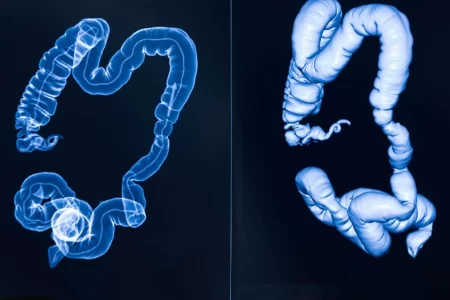
A colonoscopy is a medical procedure that uses a thin, flexible tube fitted with a camera that allows doctors to visually examine the inner lining of the large intestine and rectum. Doctors can use this method to visually identify inflammation as well as potentially cancerous growths, particularly those associated with colorectal cancer.
ADVERTISEMENT
ADVERTISEMENT
In most instances, colorectal cancer screening involves a colonoscopy and is generally recommended from age 50 for average-risk adults. However, certain symptoms and risk factors may warrant earlier investigation. In particular, colorectal cancer can develop without noticeable symptoms, making regular screening important as men age.
Understanding when to consider a colonoscopy for men can support early detection of colorectal cancer and other conditions, helping maintain better digestive health. The following symptoms and risk factors may indicate a need for a closer medical evaluation.
Persistent Changes in Bowel Habits
Occasional constipation or diarrhoea is often the direct result of dietary changes, stress, or infections. However, persistent changes in bowel frequency or stool consistency should be immediately checked by a doctor. They may order a colonoscopy to help identify possible causes, including inflammation, polyps, or other colorectal abnormalities.
Blood in the Stool
Blood in the stool may appear bright red or dark red, while gastrointestinal bleeding can sometimes produce black, tar-like stools. Although haemorrhoids and anal fissures commonly cause rectal bleeding, colorectal polyps and cancer are also possible causes. A doctor may recommend a colonoscopy to visually confirm the cause of suspected lower gastrointestinal bleeding.
Recurring Abdominal Pain or Cramping
Abdominal discomfort can result from constipation, intestinal inflammation, or any number of other digestive conditions. However, recurring cramps, persistent lower abdominal pain, or discomfort accompanied by bowel changes should be checked by a doctor immediately. Upper abdominal or gastric pain may require a colonoscopy or other diagnostic procedures, depending on the suspected cause.
Unexplained Weight Loss
Losing weight without intentionally changing your diet or physical activity can sometimes indicate an underlying medical condition. When unexplained weight loss occurs alongside bowel changes, abdominal discomfort, or rectal bleeding, your doctor may recommend a colonoscopy to help narrow down the reasons.
Persistent Fatigue or Iron-Deficiency Anaemia
In adult men, unexplained iron-deficiency anaemia (often accompanied by unusual tiredness, weakness or shortness of breath) may result from gradual gastrointestinal blood loss, even when blood is not visible in the stool. Doctors may recommend a colonoscopy alongside gastroscopy and other procedures to investigate the source of gastrointestinal bleeding.
A Family History of Colorectal Cancer
Men with close relatives diagnosed with colorectal cancer may have an increased risk of developing the disease themselves. Those with a parent or sibling diagnosed at a younger age may require screening before age 50. Your doctor may consider the number of affected relatives and their ages at diagnosis when determining an appropriate screening schedule for specific patients.
A Personal History of Colorectal Polyps
Colorectal polyps are growths that develop along the lining of the colon or rectum. Although most are harmless, certain types are associated with the risk of cancer.
Men who have previously undergone polyp removal may require regularly scheduled surveillance colonoscopies. Follow-up intervals depend on the number, size, and microscopic characteristics of previously detected polyps.
A History of Inflammatory Bowel Disease
Men diagnosed with ulcerative colitis or Crohn’s disease affecting the colon may require periodic colonoscopies to monitor inflammation and detect abnormal tissue changes. Long-standing inflammation can increase colorectal cancer risk, particularly when extensive areas of the colon are affected. Subsequent colonoscopy schedules depend on disease duration, severity, and individual risk factors.
At What Age Should Men Consider Colorectal Screening in Singapore?
Singapore’s Ministry of Health recommends routine colorectal cancer screening from age 50 for average-risk individuals without symptoms. Common screening options include an annual faecal immunochemical test (FIT), which detects hidden blood in stools, or a colonoscopy.
The frequency of re-testing may differ based on medical findings. Men with significant family histories, previous polyps, or certain medical conditions may require earlier or more frequent screening. Regardless, any concerning digestive symptoms should be evaluated regardless of age or previous screening results.
Seek Immediate Medical Advice for Persistent Digestive Symptoms
Men experiencing bowel changes, rectal bleeding, or unexplained abdominal discomfort should consult a healthcare professional. If you are experiencing severe or recurring gastric pain in Singapore, consider consulting a gastroenterologist for a thorough assessment. Depending on your symptoms, your doctor may recommend a gastroscopy or colonoscopy to identify the underlying cause and guide your treatment.
Share this article


Latest Posts





ADVERTISEMENT