


Daily Tips for Patients after Parkinson’s Disease Treatment
- Updated on: Mar 13, 2026
- 4 min Read

Dr. Rafia Usman is a distinguished medical professional with a Bachelor of Medicine, Bachelor of Surgery (MBBS) degree, with a focus on infectious diseases and lifestyle-related conditions such as diabetes. With an experience in both hospital and clinical settings, Dr. Usman has dedicated her career to the diagnosis, treatment, and management of a wide range of infectious diseases and lifestyle disorders, emphasizing patient education and preventive care.
- Published on Mar 13, 2026
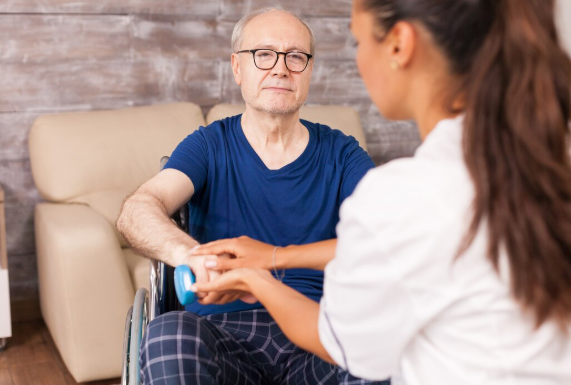
Parkinson’s disease patients struggle with tremors, stiffness, slow movements, and changes in mood or sleep. It’s completely an overwhelming experience for patients because it is a challenge to perform even simple tasks. The biggest problem with Parkinson’s disease is that it is progressive. It becomes severe with time if proper care is not taken. The symptoms usually affect the patient both physically and emotionally.
ADVERTISEMENT
ADVERTISEMENT
It becomes difficult for the patient to manage daily life while suffering from the condition. However, simple adjustments in the lifestyle of a patient can improve the quality of life. This article explains simple lifestyle tips for patients after Parkinson’s disease treatment to integrate into daily life to enhance the quality of life. It also describes how symptoms can be managed effectively and how patients can remain independent and socially connected.
Parkinson’s Disease Treatment: An Overview
The treatment focuses on managing the symptoms. A holistic approach is used for treatment involving medication, lifestyle changes, therapy, dystonia treatment, and regular monitoring, which together aim to improve the overall life for patients and address both physical and emotional challenges associated with the disease. The medication prescribed for Parkinson’s disease treatment controls the brain chemicals that are responsible for movement. Mobility and independence for the patient are maintained through therapy. Lifestyle changes can boost the results of medications and therapy. Combining all treatment options makes a meaningful difference in the patient’s life.
Daily Lifestyle Tips to Support Parkinson’s Disease Treatment
1. Stay Physically Active
Exercise and regular physical activity is must for patients. This powerful tool helps to improve the balance of the patient. Walking on a regular basis and strength training can improve flexibility. Moreover, workouts that are balance-focused can help the patient to reduce symptoms. Patients who stay consistent and perform short daily exercises see improvement in coordination.
Staying still and not doing regular physical activity can make the muscles rigid. Body movement not only helps with muscle strengthening, but they also release endorphins and reduces depression and anxiety. Recent research also highlighted that exercise protects the brain cells by releasing “exerkines”. So regular physical activity slows down the progression of Parkinson’s disease.
2. Eating a Balanced and Nutritious Diet
A proper and healthy diet is very crucial for Parkinson’s patients. Nutrition helps patients maintain their optimal energy level. It also supports brain health and helps to minimize the symptoms associated with Parkinson’s disease. Healthy foods such as fruits and vegetables are rich in antioxidants, which help improve digestion.
Natural fiber-rich foods should be taken with proper hydration to regulate blood pressure. Medication absorption also becomes effective when a Parkinson’s disease patient follows a healthy diet.
3. Fix Medication Timing
While taking Parkinson’s medication, consistency is essential. Parkinson’s medications are classified as “time-critical.” The effectiveness of treatment is reduced if a dose is missed or medications are taken at an irregular time. It is recommended to set an alarm for medication times. A doctor’s instructions should always be followed. Medication provides a steady stream to the brain to function properly and help with movement.
4. Creating a Safe and Supportive Home Environment
The home environment of a Parkinson’s patient should be safe and supported. The family members should encourage the patient to stay consistent with medication and diet. The home must have bright light and no unnecessarily cluttered walkways. There should be grab bars to provide support to Parkinson’s patients. Patients should be motivated to perform simple daily tasks such as getting dressed, doing laundry, and taking a shower. These activities will help to improve their confidence.
5. Mastering the Morning and Night Routine
Just as the food and medication routine is set, a proper morning and night routine is also important to manage the symptoms of a Parkinson’s disease patient. Usually, stiffness is at its peak during the morning. It is recommended for patients to stay calm after waking up. While in bed, the patient should activate the muscles by wiggling the toes, circling the ankles, and stretching the arms.
Similarly, Parkinson’s patients can have a comfortable sleep if they stick to a schedule. Screens should be avoided before sleep. Moreover, deep breathing can lower the cortisol level before sleep. Good sleep habits can help improve daily energy and symptom control.
6. Managing Emotional and Mental Well-being
The “nonmotor” motor symptoms of Parkinson’s disease need to have proper attention. Brain fog, anxiety, and sleep disturbance can be managed by playing brain games, reading, or learning a new hobby. Patients should not remain isolated, and they should involve themselves in social gatherings. The patient needs to be supported emotionally so that their mood is stabilized and they feel confident.
- Healthy ways to support the emotional well-being of a Parkinson’s patient include the following:
- Joining nearby or online Parkinson’s support groups
- Staying socially active with people, involving with family
- Practicing relaxation techniques such as yoga and mindful meditation
- Speaking to the specialist about the mood changes or stress
7. Regular Checkups with a Specialist
Parkinson’s disease progresses differently for each person. Therefore, regular medical checkups are essential so that the doctor can monitor the symptoms and adjust the treatment plan accordingly. If the patient sees any changes in the symptoms, they should discuss them with their specialist. Early adjustment of the symptoms can help to maintain stability and prevent future complications, such as worsening of the disease or the development of additional health issues related to Parkinson’s disease.
Conclusion
Parkinson’s disease is a challenging condition, and it needs a holistic treatment approach. Symptoms can be reduced, and everyday life can be lived without struggling if these daily tips for patients after Parkinson’s treatment are integrated into the lifestyle. Small steps and efforts can bring a significant change in life. Patients can transform their daily experience and continue to move forward with strength, dignity, and hope.
Share this article

Latest Posts





ADVERTISEMENT