



How Early Detection Is Changing the Way We Approach Wellness
- Updated on: Mar 18, 2026
- 4 min Read

Mohd Sadiq is a bioinformaticist with a special interest in Nanotechnology. He completed his Master’s degree from Jamia Millia Islamia University, New Delhi, followed by an internship in the Department of Plant Molecular Biology, University of Delhi, South Campus. Mohd Sadiq has also worked at Codon Biotech Pvt. Ltd. Noida.
By
- Published on Mar 18, 2026
For a long time, health care followed a familiar pattern. You felt something was wrong, visited a doctor, and received a diagnosis only after symptoms had already appeared. The entire system was built around reaction rather than prevention. But that model is shifting in a meaningful way. People are no longer waiting until they feel sick to start paying attention to their health. They are seeking answers before problems surface, and this move toward early detection is fundamentally changing how we think about personal wellness.
What makes this shift so powerful is that it puts individuals back in control. Instead of relying solely on annual checkups and hoping nothing slips through the cracks, people now have access to advanced screening tools that offer a far deeper look at what is happening inside the body. It is a transition from passive health care to something much more intentional, and it is already influencing how people plan for their futures.
ADVERTISEMENT
ADVERTISEMENT
The Rise of Preventive Screening in Modern Wellness
There was a time when screening was reserved for people who already showed warning signs. A scan, a blood panel, or a diagnostic test usually came after something concerning had already surfaced. Today, that mindset is changing. People are choosing to get screened before anything goes wrong, not because they suspect illness, but because they want to stay ahead of it.
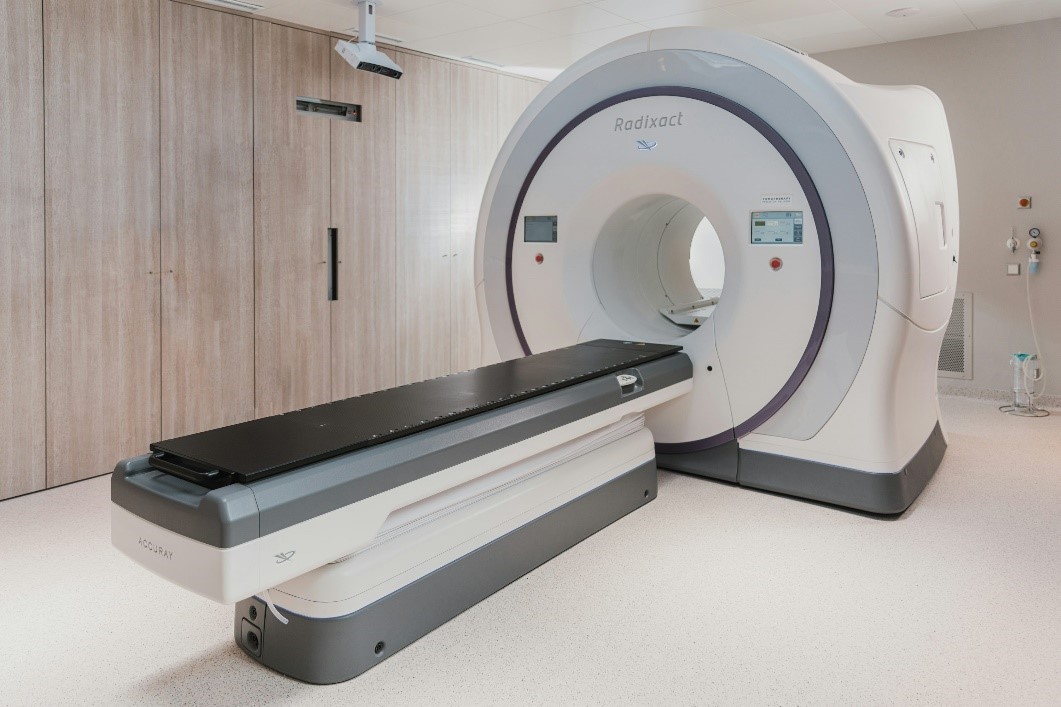
This growing interest in prevention has opened the door to a range of options that were once considered unnecessary for otherwise healthy individuals. Among the most notable are full body imaging services, which use advanced scanning technology to examine the heart, lungs, abdomen, and other major areas of the body in a single session. These scans can identify potential concerns long before symptoms ever develop, giving individuals a clearer picture of their current health and what may lie ahead.
The appeal is straightforward. Rather than waiting for a problem to announce itself, people can take a proactive step and learn about risks that might otherwise go undetected for years. This kind of information allows for earlier conversations with doctors, smarter lifestyle adjustments, and a greater sense of control over one’s own well-being.
Why Waiting for Symptoms Is No Longer the Standard
One of the biggest shifts in wellness culture is the recognition that symptoms are not always reliable indicators of health. Many serious conditions develop silently over long periods. By the time they become noticeable, they may have already progressed to a stage where treatment is more complex, and outcomes are less favorable.
This is precisely why early detection has gained so much traction. When something is caught in its earliest stages, the options for addressing it are usually broader and less invasive. Whether it is a small growth, an unexpected buildup in the arteries, or a change in organ function, knowing about it sooner creates more room to act.
People are starting to understand that feeling fine is not the same as being fine. That realization alone has motivated a growing number of individuals to seek out preventive screenings, even when they have no complaints and no family history of disease.
How Early Detection Supports Long-Term Health Planning
Early detection does more than catch problems. It creates a foundation for smarter, more personalized health planning. When someone has a clear snapshot of their internal health, they are better equipped to make decisions about diet, exercise, stress management, and medical follow-up.
For example, if a screening reveals early calcium deposits in the coronary arteries, that person can work with their physician to develop a plan that addresses the issue before it becomes a bigger concern. Without that screening, the same person might go years without knowing anything was developing at all.
This kind of informed planning is what separates modern wellness from the old model. It is no longer about guessing or hoping for the best. It is about using real information to guide decisions that affect longevity and quality of life. And because each person’s body is different, the insights gained through early screening allow for a level of customization that generic health advice simply cannot match.
The Emotional Side of Knowing
There is also a psychological benefit to early detection that often gets overlooked. Living with uncertainty about your health can be a source of ongoing anxiety. People wonder if that occasional discomfort means something serious or if the health condition that affected a parent will eventually affect them too.
Preventive screenings can help ease that mental burden. For many, simply knowing where they stand brings a sense of peace. If everything looks normal, there is reassurance in that. And if something does show up, catching it early removes the fear of finding out too late. This emotional dimension is an important part of the wellness conversation. Health is not only physical.
A Shift That Is Here to Stay
The movement toward early detection is not a passing trend. It reflects a deeper change in how people relate to their own health. Where previous generations accepted that illness was something you dealt with after the fact, today’s approach is built on the idea that knowledge is the first step toward prevention.
Medical technology continues to evolve, making screening options more accessible and more detailed than ever before. At the same time, public awareness around preventive care has grown substantially. People are asking better questions, seeking more thorough evaluations, and treating wellness as something they actively manage rather than passively experience.
This is a meaningful shift, and one that carries real benefits. Early detection gives people the chance to act before small issues become serious ones. It creates space for better conversations with health care providers, more thoughtful lifestyle choices, and a stronger connection to one’s own body.
The way we approach wellness is changing, and early detection sits right at the center of that transformation. For anyone who values their health, the opportunity to look deeper and act sooner is not something to overlook. It is something to embrace.
Share this article


Latest Posts





ADVERTISEMENT