



How Families Choose Primary Care & Family Medicine
- Updated on: Sep 21, 2026
- 4 min Read

Kishore Bharati is a biotechnologist with a special interest in cell biology, molecular biology, genetics and genomics, biophysics, and biochemistry. She Pursued her Master’s degree from Amity University, Noida, U.P., and has worked as a Research Trainee at Rapture Biotech, Noida.
- Published on Sep 3, 2026
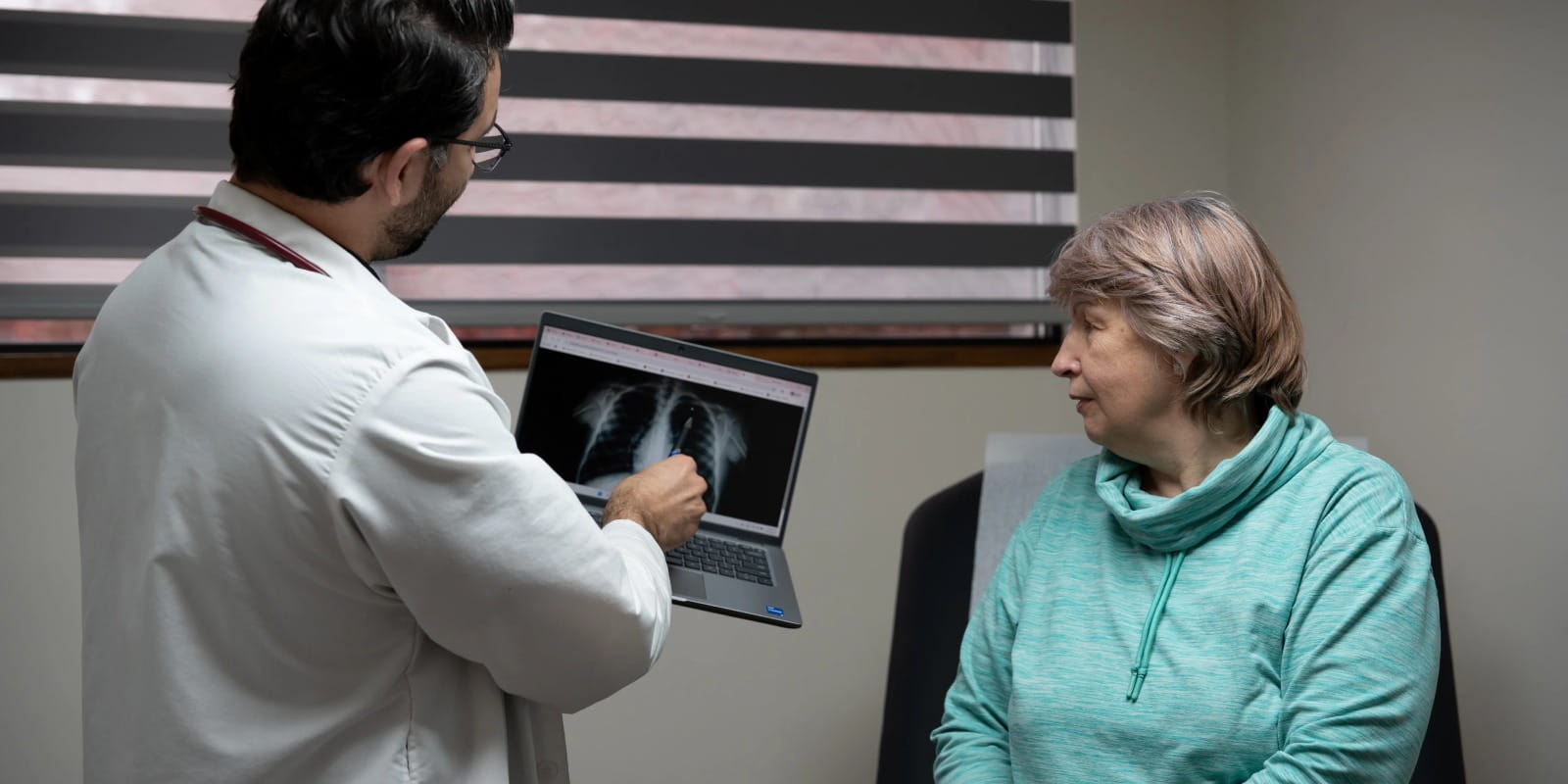
Ask a parent in the area what they want from a family doctor, and you rarely hear anything about fancy waiting rooms or the newest gadgets. You hear about trust. They want a doctor who picks up where last year’s visit left off, who treats their kids and their parents with the same care, and who feels like a partner rather than a transaction.
One Practice for Everyone Under Your Roof
The biggest headache in family healthcare is fragmentation. A pediatrician for the kids, an internist for the adults, someone else entirely for a grandparent, all with separate records, separate portals, and separate front desks that never quite talk to each other.
ADVERTISEMENT
ADVERTISEMENT
A true family medicine practice solves that by caring for every age in one place. Newborn checkups, teenage sports physicals, adult wellness visits, and senior care for aging parents all live under one roof, with one team that knows the whole family. When your doctor understands that your child’s asthma runs alongside a family history of allergies, or that stress at home is affecting more than one person, the care gets smarter. Families choose this model because it turns a scattered chore into something simple.
Care That Remembers You
There is a specific kind of relief that comes from walking into an appointment and not having to start from scratch. No reciting your entire history to a stranger, no re-explaining the medication that did not agree with you, no wondering whether anyone actually read your chart.
Continuity is the heart of what a good family doctor provides, and it is one of the most cited reasons patients stay. Over months and years, a physician builds a real picture of your baseline: how you normally feel, what your numbers usually look like, and what counts as a genuine change for you specifically. That accumulated knowledge is impossible to replicate in a rushed, one-off visit, and it is exactly what lets a doctor catch problems early and give advice that fits your actual life.
What Local Families Say They Value Most
When you look past the clinical basics, a few themes come up again and again from families describing why they keep coming back.
Time and Attention
Nobody wants to feel processed. The practices that families stay loyal to are the ones where the doctor sits down, listens fully, and explains things in plain language. Leaving an appointment actually understanding what is going on and what to do next is not a luxury. For most families, it is the whole point.
Prevention Over Panic
The best care happens before anything goes wrong. Regular checkups, age-appropriate screenings, immunizations, and honest lifestyle conversations quietly head off bigger problems down the road. Families appreciate a practice that keeps them ahead of issues rather than only reacting once something breaks.
Steady Help With Chronic Conditions
For households managing diabetes, high blood pressure, thyroid issues, or similar ongoing conditions, consistency is everything. Having one team that monitors the numbers, adjusts treatment thoughtfully, and keeps everyone on track between visits takes an enormous weight off a family’s shoulders.
Rooted in the Community
There is something different about a practice that is part of the community it serves rather than a faceless clinic patients pass through. Local families tend to want a medical home that understands the neighborhood, is easy to reach, and treats patients like neighbors instead of chart numbers. That sense of belonging matters, especially when you are trusting someone with the health of the people you love most.
Convenience feeds into this too. A practice that is genuinely accessible, close to home, with reasonable availability when you actually need it, is a practice families can stay consistent with. And consistency, more than anything, is what produces good long-term health.
The Human Side of Medicine
Clinical skill is the baseline expectation. What sets a practice apart is everything wrapped around it: a front desk that remembers your name, a nurse who is patient with a nervous child, a doctor who follows up to see how you are doing.
That comfort is not a soft extra. Patients who trust their doctor share more, ask more, and follow through more, and all of that translates directly into better outcomes. A family that feels respected is a family that actually keeps up with its care.
Making the Choice for Your Family
Choosing where your family receives care is one of the more important decisions you will make, even if it rarely feels urgent at the moment. The right practice grows with you, adapting as your kids get older, your parents need more support, and your own needs shift over time. That is the value of settling into a medical home you trust rather than hopping between clinics whenever a need arises.
As an example, for families across the area, Dobra Primary Care & Family Medicine, a practice built on continuity, whole-family care, and a genuine commitment to the people it serves feels like a home. If you have been looking for a family doctor who treats you like a person and sticks with you for the long haul, it may be exactly the fit you have been waiting for.
Disclaimer: This article is intended for general informational and educational purposes only and should not be considered medical advice, diagnosis, or treatment. Every individual and family has different healthcare needs, and the information provided here may not apply to your specific circumstances. Medical decisions should be made in consultation with a qualified healthcare professional who can evaluate your individual health history, symptoms, and needs. Do not delay, discontinue, or change any medical treatment or seek to diagnose a health condition based solely on the information in this article. If you have a medical concern or experience symptoms that require attention, consult your healthcare provider promptly. In an emergency, seek immediate medical care. The mention of Dobra Primary Care & Family Medicine is for informational purposes and does not constitute a medical recommendation, endorsement, or guarantee of any particular healthcare outcome.
Share this article


Latest Posts




ADVERTISEMENT