

6 Things the Liver Does for Your Body and How You Can Protect This Vital Organ
- Updated on: Oct 3, 2026
- 3 min Read

Dr. Mohd Salman, popularly known as Dr. Sal, is a highly qualified and experienced physician specializing in Gastroenterology. He completed his MBBS from Jawaharlal Nehru Medical College, AMU, MD, DM from Mahatma Gandhi Medical College, Jaipur.
- Published on Oct 3, 2026
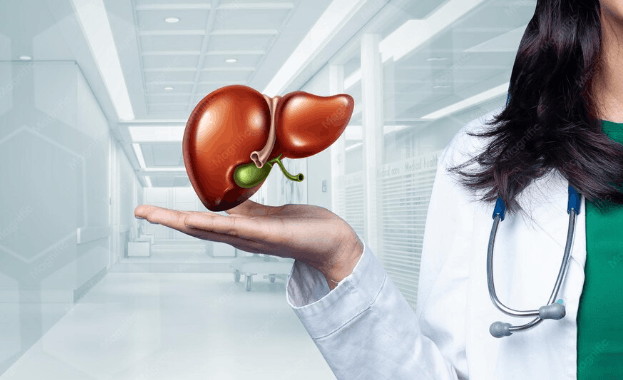
The liver is one of the body’s largest internal organs, and it works around the clock. Located in the upper right side of the abdomen, it performs hundreds of functions that help regulate metabolism, process nutrients, support digestion, remove waste products, and keep the blood functioning normally.
Because the liver has a remarkable ability to compensate for damage, liver disease may not always cause obvious symptoms in its early stages. That makes prevention especially important. Healthy habits, infection prevention, and, in some cases, options such as a glutathione supplement may all form part of a broader approach to supporting liver health.
ADVERTISEMENT
ADVERTISEMENT
To help preserve the liver’s function, let’s explore what the organ actually does and how to protect it through everyday choices.
It Processes Nutrients From Food
After nutrients are absorbed through the digestive tract, many travel to the liver for processing. The liver helps convert carbohydrates, proteins, and fats into forms the body can use, and also decides which nutrients to store for later.
One way to protect this function is to avoid consistently consuming more calories than the body needs, particularly from foods and drinks high in added sugars and refined carbohydrates. Excess calories can be converted into fat and accumulate in the liver. Over time, this can contribute to metabolic dysfunction-associated steatotic liver disease or MASLD.
It Helps Control Blood Sugar
The liver plays an important role in keeping glucose available when the body needs energy. After a meal, it can convert excess glucose into glycogen for storage. Between meals or during periods of increased energy demand, it can then release glucose back into the bloodstream.
However, conditions such as diabetes and insulin resistance can increase the risk of liver problems. Regular medical checkups, appropriate blood-sugar monitoring, and following prescribed treatment can help protect both metabolic health and liver function.
It Produces Bile for Digestion
Bile, a fluid that helps the body digest and absorb fats, is produced by the liver. Stored in the gallbladder and released into the small intestine during digestion, bile also helps remove waste products such as bilirubin and excess cholesterol from the body.
Since bile production depends on healthy liver cells, protecting the liver from infections is an important part of maintaining this function. Hepatitis A and hepatitis B can both cause liver inflammation, but, fortunately, vaccines are available to help prevent these infections. A healthcare professional can advise whether vaccination is appropriate based on factors such as age, health status, and other risks.
It Processes Medicines, Alcohol, and Other Substances
The liver chemically processes many medications, chemicals, and alcohol before they are used by the body or removed from it. This process is far more complex than simply “filtering toxins.” Instead, the liver relies on specialized enzymes and antioxidants to transform these substances and protect liver cells from potentially harmful effects.
One of those defenses is glutathione, an antioxidant found in especially high concentrations in the liver. It helps protect cells against oxidative stress caused by reactive molecules. Some research suggests that oral glutathione supplements can increase glutathione availability, and small studies in people with fatty liver disease have reported improvements in certain liver enzymes and oxidative-stress markers.
For people considering glutathione supplements as an additional way to support antioxidant defenses, it is sensible to discuss them with a healthcare professional, particularly if they have liver disease or take medications.
It Makes Proteins Your Body Needs
The liver produces many important proteins. These include albumin, which helps keep fluid inside blood vessels, as well as proteins involved in normal blood clotting. When liver function becomes severely impaired, the production of these proteins can decline.
To reduce this risk, it’s important to protect the liver from blood-borne infections. Hepatitis B and hepatitis C, for example, can spread through contact with infected blood and may lead to serious liver damage over time. To lower your risk, avoid sharing needles or personal items such as razors that could be contaminated with blood, and choose reputable tattoo and piercing providers that use properly sterilized equipment.
It Helps Manage Fats, Cholesterol, and Waste
Last but not least, the liver helps produce, break down, and transport cholesterol and other fats. It also converts potentially harmful by-products of metabolism into substances the body can eliminate. For example, it turns ammonia, which is produced during protein metabolism, into urea so it can be removed through the urine.
Alcohol can interfere with many liver processes and damage liver cells, especially when consumed heavily or over long periods. Limiting alcohol consumption can therefore reduce this risk. Chemical safety matters as well. When working with solvents, pesticides, or other potentially harmful chemicals, follow product instructions and use appropriate ventilation and protective equipment.
Supporting Your Liver’s Health Every Day
The liver is a resilient organ, but it still needs protection from the challenges it faces every day. Since liver damage can develop quietly, taking preventive steps and staying aware of potential risks are key to maintaining long-term health.
Regular health checkups, especially for people with risk factors, can help identify problems early and allow for timely care. By giving the liver the support it needs, you can help this vital organ continue performing its many essential functions throughout life.
Share this article



Latest Posts




ADVERTISEMENT