

How Eye Doctors Detect Early Signs of Eye Disease
- Updated on: Oct 27, 2026
- 4 min Read
- Published on Oct 27, 2026
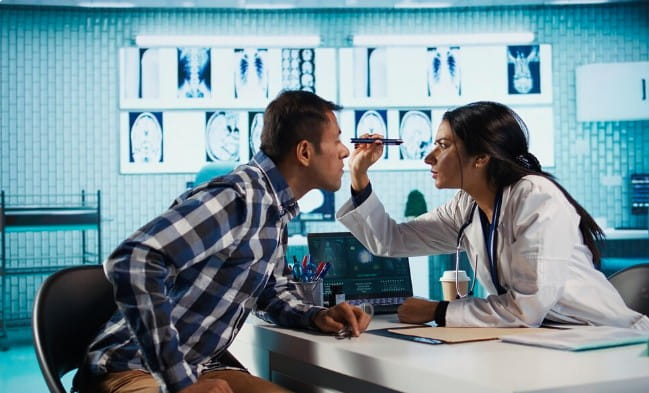
Many eye diseases develop slowly, without pain or clear warning signs. A person may read, drive, work on a computer, and go about daily life without realizing that something is wrong with their eyes. By the time blurry vision or other symptoms appear, some conditions may already have caused damage.
This is why regular eye exams are important, even when your vision seems normal. A routine visit to an eye clinic near you in Manhattan can help identify small changes before they become more serious. Eye doctors use several tests to check how well the eyes work and look for signs of disease that may not be visible to the patient.
ADVERTISEMENT
ADVERTISEMENT
Understanding what happens during these exams can help you feel more prepared and see why early detection is such an important part of protecting your sight.
Reviewing Your Medical History and Symptoms
An eye exam often begins with questions about your health, family history, and daily habits. Your doctor may ask whether you have diabetes, high blood pressure, or other health problems that can affect your eyes. They may also ask about medicines you take and whether close family members have had eye diseases.
These details help the doctor decide which areas need a closer look. For example, a family history of glaucoma may mean you need closer monitoring, while diabetes can increase the risk of damage to the blood vessels in the retina.
Your doctor may also ask whether you have noticed headaches, flashes of light, floaters, or changes in your vision. Even symptoms that seem minor can offer useful clues. Be honest about what you have noticed, even if it happens only once in a while.
Checking Visual Acuity and How Your Eyes Work
One familiar part of an eye exam is reading letters from a chart. This test measures visual acuity, or how clearly you can see at different distances. The doctor may also check how well you focus on nearby objects and whether your eyes work together.
These tests can reveal changes linked to common vision problems, such as nearsightedness or farsightedness. However, good results do not always mean your eyes are healthy.
Glaucoma, for example, can damage the optic nerve before a person notices a clear change in central vision. This is why doctors use other tests as well. The Centers for Disease Control and Prevention reported that about 40% of US adults at high risk of vision loss had not seen an eye doctor or received an eye exam in the previous year, based on data from 2017. A full eye exam looks beyond your glasses prescription to check the health of the eye itself.
Measuring Eye Pressure and Checking the Optic Nerve
Eye pressure testing is one way doctors look for signs of glaucoma. This disease can damage the optic nerve, which carries visual information from the eye to the brain. High pressure inside the eye is a major risk factor, although some people develop glaucoma even when their pressure falls within the usual range.
Doctors may measure pressure with a device that sends a gentle puff of air toward the eye or with a small tool that briefly touches its surface after numbing drops are used. An eye doctor in Manhattan may also examine the optic nerve to look for changes in its shape or appearance. A visual field test can check for gaps in side vision that a person might not notice during everyday activities.
No single test can identify every case of glaucoma. Eye doctors consider the results together, along with your age, family history, and other risk factors.
Examining the Retina for Early Damage
The retina is the light-sensitive layer at the back of the eye. It sends signals to the brain so you can see. Changes in this area can point to several conditions, including diabetic retinopathy and age-related macular degeneration.
To examine the retina, a doctor may use special lenses, bright light, or imaging equipment. In some cases, dilating eye drops are used to widen the pupils. This gives the doctor a better view of the retina, blood vessels, and optic nerve.
According to the National Eye Institute, a dilated eye exam can help detect diseases such as glaucoma, diabetic retinopathy, and age-related macular degeneration before they cause vision loss.
Imaging can also help doctors record the condition of the retina and compare it with results from future visits. This makes it easier to spot small changes over time, even when a patient feels no difference in their sight.
Looking for Changes in the Front of the Eye
Eye doctors also examine the cornea, iris, lens, and other structures at the front of the eye. They may use a special microscope called a slit lamp to look closely at these areas.
This test can reveal signs of cataracts, inflammation, injury, or other conditions. Cataracts develop when the eye’s natural lens becomes cloudy. The change is often gradual, so a person may first notice trouble driving at night, reading in dim light, or seeing clearly in bright sunlight.
Doctors may also check the surface of the eye when patients report burning, itching, or a gritty feeling. These symptoms can point to dry eye disease or other problems that affect comfort and vision. Eye clinics like New York Laser Vision use such detailed exams to work out whether symptoms come from a simple issue or need further testing.
Using Test Results to Plan Follow-Up Care
Finding a possible problem is only one part of early detection. Doctors must also decide what the results mean and whether treatment or regular monitoring is needed.
For example, a patient with early signs of glaucoma may need repeat pressure checks, optic nerve imaging, or visual field tests. Someone with diabetes may need regular retinal exams to watch for damage to small blood vessels.
The right schedule depends on age, medical history, family history, and earlier test results. A person with higher risk may need more frequent visits than someone with no known risk factors.
Takeaway: Protect Your Vision Through Regular Eye Exams
Eye disease can develop before you notice any changes in your sight. Routine exams give doctors a chance to look for early warning signs, measure changes over time, and recommend care when it is most useful.
Do not wait for blurry vision or discomfort before booking an appointment. Ask your eye doctor how often you should be examined, especially if you have diabetes, high blood pressure, or a family history of eye disease. Regular checks can help you act early and protect your vision for years to come.
Share this article


Latest Posts





ADVERTISEMENT