



Why Supplement Packaging Matters More Than Most People Realize
- Updated on: Oct 1, 2026
- 5 min Read

Arshi Anjum is a qualified homeopath who believes alternative medicine disciplines can really do wonders in certain situations and particularly for some conditions and diseases. She completed her medical education from Bakson Homeopathic Medical College, Greater Noida, India.
- Published on Oct 1, 2026
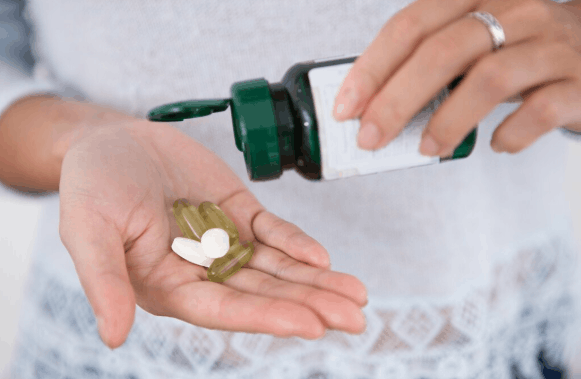
Supplement packaging matters because it’s the main thing standing between an active ingredient and the light, oxygen, moisture and heat that degrade it before it ever reaches your body. A capsule or powder can be manufactured correctly and still lose potency sitting on a shelf if the packaging around it doesn’t do its job. That’s not a marketing detail, it’s a chemistry problem, and it’s one most people never think about until a supplement stops working the way it used to.
There’s a second, less obvious reason packaging deserves attention: it’s often a decent proxy for how carefully a brand thinks about the rest of its product. A company that puts real thought into what its container is made of, and what happens to that container after use, tends to be a company that’s also thinking harder about sourcing, testing and formulation. It’s not a guarantee. But a brand that reaches for the cheapest possible plastic without a second thought about where it ends up is rarely the same brand agonizing over ingredient purity behind the scenes.
ADVERTISEMENT
ADVERTISEMENT
What Actually Degrades a Supplement Before You Take It
Four things do most of the damage, and they don’t act alone.
Light, particularly UV light, can break down certain vitamins and plant compounds through a process called photodegradation. This is part of why you’ll see many vitamin C and probiotic products in opaque or amber containers rather than clear plastic, clear packaging simply lets more of that damaging light through.
Oxygen reacts with fats, oils and certain vitamins in a process called oxidation, the same basic chemistry that turns cooking oil rancid if left open on a counter. Fish oil, probiotics, and any supplement with active enzymes are particularly exposed to this kind of degradation once a container is opened repeatedly.
Moisture is a problem for powders and capsules specifically, since absorbed humidity can cause clumping, encourage microbial growth, or accelerate the breakdown of moisture-sensitive compounds. Silica packets in supplement bottles exist specifically to fight this.
Heat speeds up essentially all of the above. A bottle stored near a stove, a sunny windowsill, or inside a hot car will lose potency faster than the same product stored somewhere cool and dark, regardless of how good the packaging is.
None of these forces act in isolation in the real world. A capsule exposed to heat, light and humidity at the same time degrades faster than the sum of those three factors would suggest, which is exactly why packaging has to address more than one of them at once rather than solving for a single risk.
Packaging Is the First Line of Defense, Not a Detail
Once a product leaves the manufacturing line, packaging is doing the actual defensive work, formulation science can only protect a compound up to the point it’s sealed inside a container. From there, the package’s material, opacity, seal integrity and moisture resistance determine how much of that original potency survives until the day you actually take it.
This is why the packaging question isn’t cosmetic. A supplement sold in a container that doesn’t block light, doesn’t manage moisture, and gets opened and closed loosely dozens of times before the bottle is empty is fighting an uphill battle against basic chemistry, no matter how good the formula was on day one.
Why Sustainable Packaging Often Signals Something Else
Here’s a genuinely useful heuristic, not a hard rule: if a brand isn’t willing to think carefully about where its packaging ends up after use, it’s worth asking what else it isn’t thinking carefully about.
Packaging decisions and formulation decisions usually come from the same place inside a company, whoever is setting priorities around cost, sourcing and manufacturing. A brand that defaults to the cheapest possible plastic without considering biodegradability or recyclability is optimizing for cost above other considerations. That same cost-first mindset can show up elsewhere, in ingredient sourcing, testing frequency, or quality control, even though none of that is guaranteed just because the packaging looks eco-conscious on the label.
This cuts both ways. Sustainable-looking packaging isn’t proof of a better product on its own, and greenwashing is real. But genuine investment in better materials, not just a green color scheme and the word “natural,” is at least a signal that a brand is willing to spend money on something a customer might not immediately notice, which is a reasonable thing to weigh alongside everything else on the label.
What to Actually Look For on a Supplement Package
A few practical things are worth checking before you buy:
- Opacity or amber tinting, especially for anything containing oils, probiotics, or light-sensitive vitamins.
- A genuine tamper-evident seal, not just a sticker, but a seal that visibly breaks the first time the container is opened.
- Clear batch numbers and expiration dates printed directly on the packaging, not just the outer box, which can get discarded.
- Material that matches the product’s sensitivity. A shelf-stable capsule doesn’t need the same barrier protection as a probiotic or an omega-3 softgel.
Cardboard Tubes: An Old Material Doing a New Job
Cardboard tube packaging has quietly become a serious option for supplements that don’t require an airtight, high-barrier seal, dry capsules, tablets and certain powders in particular. The material itself is biodegradable and widely recyclable, and modern versions typically pair the outer cardboard structure with an inner liner or cap designed to manage moisture, rather than relying on the cardboard alone.
It’s not the right choice for every product. A supplement highly sensitive to oxygen or moisture, like certain probiotics or fish oils, generally still needs a tighter barrier than a cardboard tube alone can offer. But for a large share of the capsule and tablet market, it’s a legitimate middle ground between “fully protective” and “fully disposable,” rather than a straight tradeoff between the two. Manufacturers producing this kind of format, including companies like EarthyCores, have built out cardboard tube options specifically for health and beauty products where full plastic barrier protection isn’t strictly necessary.
How Other Supplement Brands Approach Packaging
Packaging philosophy varies a lot across the supplement market, and it’s worth looking at more than one example rather than assuming there’s a single right answer.
Some direct-to-consumer brands, Ritual is a well-known example, have built part of their public identity around visible, traceable sourcing and packaging that’s designed to be looked at closely, down to printing supplier information directly on the bottle. Other long-established brands like Nature Made and Garden of Life have moved incrementally toward recyclable bottle materials and reduced plastic use over time, without necessarily rebuilding their entire packaging line around it. Smaller, newer brands vary enormously, some prioritize minimal, sustainable packaging from day one, while others still default to conventional plastic because it’s cheaper and faster to source at low volume.
None of this means one approach is universally correct. It means packaging choices differ by brand, product type and company priorities, and it’s genuinely useful information when you’re deciding what to buy.
Common Questions About Supplement Packaging
Does refrigeration help supplements last longer? For some products, particularly probiotics and certain oils, yes, cooler storage slows the same degradation processes described above. Always check the specific product label, since not every supplement benefits from refrigeration and some can be harmed by condensation if moved between temperatures.
Are dark glass or amber bottles better than clear plastic? For light-sensitive ingredients, generally yes. Amber and dark glass block more of the UV and visible light that drives photodegradation than clear plastic does.
Is cardboard packaging safe for supplements? Yes, for products that don’t require a strong oxygen or moisture barrier. Cardboard tubes are commonly used for tablets, capsules and certain powders, typically with an internal liner or cap to manage residual moisture.
Does eco-friendly packaging mean a supplement is lower quality? No. Sustainable materials and protective performance aren’t mutually exclusive, the question is whether the specific packaging matches what that specific product actually needs to stay stable.
The Bottom Line
Supplement packaging isn’t a cosmetic afterthought, it’s actively fighting light, oxygen, moisture and heat every day a product sits on a shelf. Paying attention to how something is packaged, and being willing to ask why a brand chose the materials it did, tells you something real about both the product’s likely potency and the priorities of the company that made it.
This article is for general informational purposes and isn’t a substitute for professional medical or nutritional advice. Always follow the storage instructions on your specific supplement’s label.
Share this article



Latest Posts





ADVERTISEMENT