
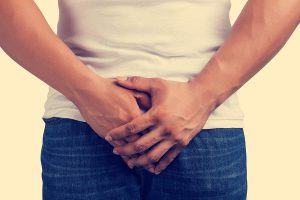


Understanding Erectile Dysfunction: Causes, Symptoms, and Treatment Options
- Updated on: Oct 27, 2026
- 4 min Read
- Published on Oct 27, 2026

Erectile dysfunction (ED) is a common men’s health concern that can affect confidence, relationships, and overall wellbeing. Although occasional difficulties achieving or maintaining an erection are normal, persistent problems may indicate an underlying physical or psychological condition that deserves attention.
Many men hesitate to discuss erectile difficulties because of embarrassment or misconceptions about sexual health. However, ED is a medical condition, not a reflection of masculinity or personal worth. It can affect men at different ages, and several effective treatment options are available.
ADVERTISEMENT
ADVERTISEMENT
Understanding the possible causes, recognising the symptoms, and seeking professional advice can help men take positive steps towards improving their sexual health and quality of life.
What Is Erectile Dysfunction?
Erectile dysfunction refers to the persistent difficulty achieving or maintaining an erection firm enough for satisfactory sexual activity. While occasional erection problems can happen because of stress, tiredness, or alcohol consumption, repeated difficulties may require medical assessment.
An erection involves communication between the brain, nerves, blood vessels, and hormones. When sexual stimulation occurs, blood flow increases within the penis, helping produce an erection. Problems affecting any part of this process can contribute to ED.
The condition becomes more common with age, but ageing itself does not make erectile dysfunction inevitable. Younger men can also experience difficulties, particularly when stress, anxiety, lifestyle habits, or underlying health conditions play a role.
Common Causes of Erectile Dysfunction
Several physical and psychological factors can contribute to erectile difficulties. Identifying the underlying cause is important because treatment often depends on the individual’s health circumstances.
Physical causes include diabetes, high blood pressure, cardiovascular disease, obesity, and hormonal disorders. These conditions may affect circulation, nerve function, or hormone levels, making it more difficult to achieve or maintain an erection.
Certain medications, including some antidepressants and blood pressure treatments, may also contribute to erectile problems. However, men should never stop prescribed medication without consulting a healthcare professional.
Psychological factors can be equally important. Stress, depression, relationship difficulties, and performance anxiety may interfere with sexual arousal. Sometimes, physical and psychological causes occur together, creating a cycle of worry and further difficulties.
Recognising the Symptoms and Knowing When to Seek Help
The most noticeable symptom of erectile dysfunction is difficulty achieving or maintaining an erection during sexual activity. Some men experience reduced erection firmness, while others find that erections occur less frequently than before.
Occasional difficulties are not necessarily a cause for concern. However, if symptoms continue or regularly affect your sexual wellbeing, speaking with a GP or qualified healthcare professional is advisable.
ED can sometimes be an early warning sign of cardiovascular problems because healthy blood circulation plays an important role in erectile function. Seeking medical advice therefore offers an opportunity to assess broader health risks.
A healthcare professional may review your medical history, medications, lifestyle, and symptoms. Blood tests or other examinations may help identify diabetes, hormonal abnormalities, or cardiovascular risk factors.
Exploring Available Erectile Dysfunction Treatments
The good news is that several evidence-based treatments can help men manage erectile dysfunction. The most appropriate approach depends on the underlying cause, symptom severity, medical history, and personal preferences.
Men exploring erectile dysfunction treatment should seek a proper clinical assessment before choosing an option. Treatment may involve lifestyle changes, prescribed medication, psychological support, or specialist interventions.
Oral medications such as sildenafil and tadalafil are commonly prescribed for ED. These medicines improve the erectile response to sexual stimulation by supporting blood flow to the penis. However, they are not suitable for everyone, particularly people taking nitrate medications for certain heart conditions.
Other options include vacuum erection devices, prescribed injections, and specialist treatments. In selected cases, penile implants may be considered when less invasive approaches have not worked.
A qualified clinician can explain the potential benefits, limitations, and risks of each treatment.
How Lifestyle Changes Can Support Erectile Health
Healthy lifestyle habits can improve general wellbeing and may also support erectile function. Regular physical activity is particularly beneficial because it promotes cardiovascular health, circulation, and weight management.
Activities such as brisk walking, cycling, swimming, and resistance training can contribute to better overall fitness. Men should choose exercises that suit their physical abilities and medical circumstances.
A balanced diet containing vegetables, fruits, whole grains, lean proteins, and healthy fats can also support heart health. Managing blood pressure, blood sugar, and cholesterol is especially important for men with existing metabolic or cardiovascular conditions.
Reducing excessive alcohol consumption, stopping smoking, and maintaining a healthy weight may improve erectile health over time.
These changes are valuable, but they do not replace medical treatment when an underlying condition requires professional care.
The Role of Mental Health and Relationship Support
Erectile dysfunction does not always have a purely physical cause. Emotional wellbeing can significantly influence sexual performance, particularly when anxiety or relationship stress becomes involved.
Men experiencing performance anxiety may worry about achieving an erection, which can make sexual activity more stressful. Over time, this anxiety may contribute to repeated difficulties.
Psychosexual therapy, counselling, or cognitive behavioural therapy may help when psychological factors play a significant role.
Open communication with a partner can also reduce misunderstandings and emotional pressure. Discussing concerns honestly may help couples approach the situation together rather than allowing frustration or embarrassment to create distance.
Seeking emotional support is a practical part of healthcare, not a sign of weakness.
Why Professional Diagnosis Matters
Some men turn to unregulated supplements or products marketed as instant solutions for erectile dysfunction. However, these products may lack reliable evidence and sometimes contain undeclared pharmaceutical ingredients.
Buying prescription medicines from unverified online sellers can also create serious safety risks.
A proper medical assessment helps identify whether ED relates to circulation, hormones, medication side effects, psychological factors, or a combination of causes.
It also allows healthcare professionals to recommend suitable treatment while considering other medical conditions and potential drug interactions.
Men should avoid self-diagnosing persistent erectile problems, particularly when symptoms develop suddenly or occur alongside other health concerns.
Erectile dysfunction is common, treatable, and worth discussing openly. Although the condition can affect confidence and relationships, effective support is available through medical assessment, appropriate treatment, and healthy lifestyle changes.
Understanding the possible causes is the first step towards finding a suitable solution. Rather than relying on unverified remedies or ignoring persistent symptoms, men should speak with a qualified healthcare professional.
Taking erectile health seriously can improve sexual wellbeing while also helping identify broader health concerns that may otherwise go unnoticed.
Share this article


Latest Posts




ADVERTISEMENT