

The Health Benefits of Correcting Bite Problems Early
- Updated on: Mar 31, 2026
- 4 min Read

Kishore Bharati is a biotechnologist with a special interest in cell biology, molecular biology, genetics and genomics, biophysics, and biochemistry. She Pursued her Master’s degree from Amity University, Noida, U.P., and has worked as a Research Trainee at Rapture Biotech, Noida.
- Published on Mar 31, 2026
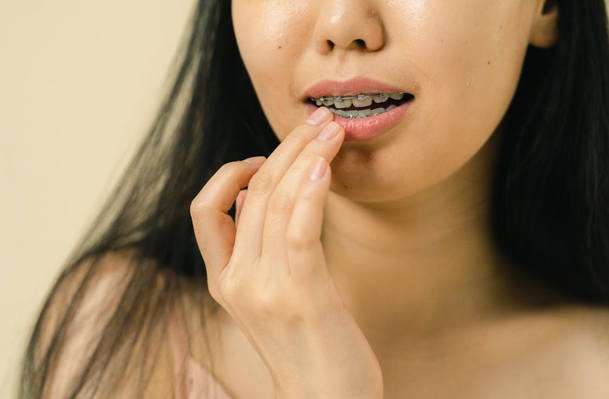
Have you ever noticed how many kids and adults quietly struggle with jaw pain, headaches, or uneven teeth without connecting the dots? In places like Inver Grove Heights and across the U.S., more families are starting to ask whether fixing bite issues early could prevent bigger health problems later. The short answer is yes, and the long answer is more interesting than you might expect.
Why Bite Problems Are More Than Cosmetic
Most people still think crooked teeth are just about looks, but bite problems, also called malocclusion, affect how your entire mouth works. When teeth don’t line up, chewing becomes uneven, which can strain the jaw and wear down enamel faster than normal. Over time, this can lead to chipped teeth, gum irritation, and even speech issues.
ADVERTISEMENT
ADVERTISEMENT
There is also a broader shift happening. As preventative healthcare gains attention in the U.S., dental professionals are emphasizing early intervention instead of waiting for pain to show up. It mirrors trends in mental health and nutrition, where catching issues early is now seen as smarter and more cost-effective than reacting later.
Early Evaluation Changes the Timeline
Parents today are bringing children in for orthodontic evaluations much earlier than they did a decade ago, often by age seven. That early look allows professionals to guide jaw growth and spacing before permanent teeth fully settle in. A visit to an orthodontist in Inver Grove Heights or any similar community clinic can reveal subtle issues that are easy to fix early but much harder to correct later.
This shift reflects a larger cultural move toward proactive care. Just like people now track steps or monitor sleep, dental health is becoming part of everyday wellness thinking. Early correction reduces the need for invasive procedures and often shortens treatment time, which matters to busy families balancing school, work, and everything in between.
Jaw Health and Long-Term Comfort
Bite problems can place uneven pressure on the jaw joints, leading to discomfort that many people mistake for general tension or stress. Over time, this imbalance may contribute to temporomandibular joint disorders, commonly known as TMJ issues. These can cause clicking sounds, pain while chewing, and even difficulty opening the mouth fully.
Correcting bite alignment early distributes pressure evenly, allowing the jaw to function naturally. This reduces the risk of chronic discomfort later in life. In a culture where people already deal with long hours at desks and constant screen use, minimizing physical strain wherever possible is becoming a priority.
Better Digestion Starts in the Mouth
It might sound surprising, but your digestive system begins with how well you chew your food. When teeth are misaligned, chewing becomes inefficient, and food is not broken down properly before it reaches the stomach. This can make digestion slower and less effective.
Fixing bite problems early improves chewing efficiency, which supports better nutrient absorption. With increasing awareness about gut health in the U.S., from probiotics to fiber-rich diets, it makes sense to address the first step in digestion. A well-aligned bite helps the body process food the way it is meant to.
Speech Development and Confidence
Children with bite issues sometimes struggle with certain sounds, especially those that require precise tongue and tooth placement. While speech therapy can help, correcting the underlying dental structure often makes a significant difference.
Beyond function, there is a social layer to consider. Confidence in speaking affects school participation, friendships, and even future career opportunities. As conversations around self-esteem and mental wellness grow louder, addressing physical barriers like bite problems early becomes part of supporting overall development.
Reducing the Risk of Tooth Damage
When teeth do not meet correctly, some areas experience more pressure than others. This uneven force can lead to premature wear, cracks, or chips. Over time, these small issues can turn into larger problems that require fillings, crowns, or other restorative treatments.
Early correction helps distribute biting forces evenly across all teeth. This protects enamel and reduces the likelihood of damage. In a time when dental costs continue to rise, prevention is not just healthier but also financially practical for many families trying to manage long-term expenses.
Easier Oral Hygiene Habits
Misaligned teeth can create tight spaces that are hard to clean properly, even with good brushing and flossing habits. Food particles and plaque tend to build up in these areas, increasing the risk of cavities and gum disease.
By correcting alignment early, it becomes easier to maintain proper oral hygiene. Straight teeth are simpler to clean, which lowers the risk of dental issues over time. As more people adopt electric toothbrushes and water flossers, the goal is not just better tools but also making the job itself easier.
The Social and Emotional Impact
There is an interesting irony in how society talks about appearance. On one hand, we are told not to focus too much on looks, yet on the other hand, a confident smile still carries real social weight. Early correction of bite problems can improve how children and adults feel about their appearance without turning it into a purely cosmetic pursuit.
In a world shaped by video calls, social media, and constant visibility, people are more aware of their smiles than ever before. Addressing bite issues early allows individuals to focus less on hiding their teeth and more on expressing themselves naturally. That shift in confidence often has ripple effects in daily interactions.
Practical Steps for Early Intervention
Parents and individuals can take simple steps to address bite problems early. Scheduling an orthodontic evaluation by age seven is widely recommended, even if no obvious issues are present. Regular dental checkups can also catch early signs of misalignment or jaw concerns.
Pay attention to habits such as thumb sucking, mouth breathing, or teeth grinding, as these can influence bite development. Encouraging proper oral hygiene and maintaining a balanced diet also supports overall dental health. Small, consistent actions often prevent the need for more complex treatments later.
Correcting bite problems early is not just about straight teeth. It connects to comfort, health, confidence, and even broader wellness trends shaping how Americans think about care today. Taking action sooner rather than later offers benefits that extend far beyond the dental chair, making it one of the most practical investments in long-term health.
Share this article

Latest Posts



ADVERTISEMENT