



The Importance of Early Communication Development for Lifelong Health
- Updated on: Jan 27, 2026
- 4 min Read

Kishore Bharati is a biotechnologist with a special interest in cell biology, molecular biology, genetics and genomics, biophysics, and biochemistry. She Pursued her Master’s degree from Amity University, Noida, U.P., and has worked as a Research Trainee at Rapture Biotech, Noida.
- Published on Jan 27, 2026
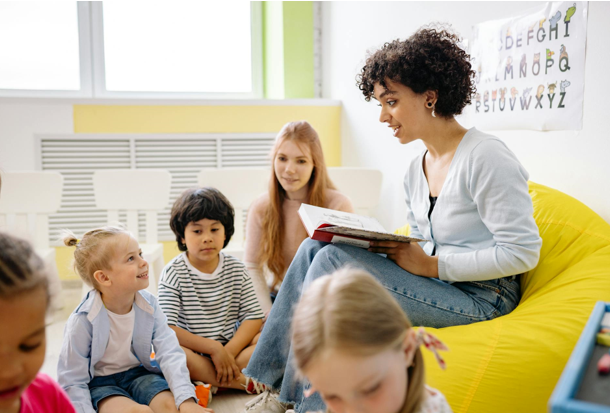
From a baby’s first cry to a toddler’s first words, communication shapes how children connect with the world. These early moments do more than mark milestones. They influence emotional well-being, learning ability, social confidence, and long-term health. When children learn to express needs, understand others, and engage in meaningful interaction early, they build skills that support them throughout life. Delays in communication, when left unaddressed, can affect behavior, academic progress, and mental health well into adulthood. Understanding why early communication matters helps parents, caregivers, and professionals take timely action.
This article explores how early communication development supports lifelong health and offers guidance on recognizing, supporting, and strengthening these essential skills.
ADVERTISEMENT
ADVERTISEMENT
What Early Communication Development Really Means
Early communication development includes far more than learning how to speak. It begins with eye contact, facial expressions, gestures, sounds, and the ability to respond to others. Babies communicate long before they form words. They cry to signal needs, smile to connect, and later use gestures to point or request. As children grow, these early skills support vocabulary growth, listening, and understanding social cues. Communication also involves taking turns, paying attention, and interpreting tone. When children develop these skills early, they gain tools that help them navigate daily interactions with confidence. Clear communication allows them to express needs, ask questions, and engage with the world around them.
The Power of Early Intervention
Early intervention focuses on strengthening communication skills during critical developmental periods. When support begins early, children often respond more quickly and show stronger progress. Intervention strategies may include guided play, structured activities, and parent coaching. These approaches help children practice communication in everyday settings. Professional support might be necessary for some children, and the availability of online Master of Speech Pathology programs nowadays enables professionals to assess communication development, recognize early signs of delay, and design appropriate interventions.
Early intervention also supports families by offering tools and guidance. Rather than waiting for challenges to become more complex, early support helps children build skills step by step. This proactive approach improves long-term outcomes and reduces barriers to learning and social engagement.
The Link Between Communication and Brain Development
Early communication experiences shape how the brain develops. When adults talk, respond, and engage with children, they help build neural connections that support language and thinking. These interactions strengthen areas of the brain responsible for attention, memory, and problem-solving. Frequent and meaningful communication encourages children to process sounds, recognize patterns, and understand meaning. The early years offer a unique window for language learning because the brain adapts quickly during this time. When communication experiences lack consistency or responsiveness, development can slow. Positive interaction supports healthy brain growth and lays the foundation for future learning.
Emotional Health Starts With Being Understood
Communication plays a direct role in emotional well-being. Children who can express feelings and needs often manage emotions more effectively. When they struggle to communicate, frustration and anxiety may increase. Being understood helps children feel safe and supported. It also teaches them how to label emotions and respond appropriately to challenges. Early communication skills support emotional regulation and reduce stress-related behaviors. Over time, children who communicate well tend to develop stronger self-esteem and coping skills. These benefits extend beyond childhood and support long-term mental health.
Social Skills and Relationship Building
Communication skills influence how children connect with others. Through conversation and play, children learn to take turns, listen, and respond. These interactions help them understand social rules and develop empathy. Early communication supports peer relationships and cooperation in group settings. Children who communicate clearly often feel more confident in social situations. They can express ideas, resolve conflicts, and build trust with others. Strong communication also helps children adapt to new environments, such as school. These early social experiences shape how they form relationships later in life.
Academic Success Begins With Language
Language skills support nearly every part of a child’s learning experience. In early education, children rely on communication to follow instructions, ask questions, and understand new concepts. Strong language abilities help with reading readiness, vocabulary growth, and comprehension. Children who communicate well often find it easier to participate in classroom discussions and engage with learning materials. When communication challenges appear early, they can affect attention and academic confidence. Addressing these challenges helps children build a solid foundation for future learning. Clear communication supports curiosity and encourages active participation in education.
Identifying Early Signs of Communication Challenges
Recognizing communication difficulties early allows families to seek support before challenges grow. Some children may show limited eye contact, delayed speech, or difficulty following simple directions. Others may struggle to combine words or express needs clearly. While children develop at different rates, consistent concerns deserve attention. Early identification depends on observation, routine screening, and open communication with healthcare or education professionals. Acting early helps clarify whether a child needs support and what type of intervention fits best. Early awareness empowers families to make informed decisions.
Supporting Communication at Home and in Daily Life
Families play a central role in communication development. Everyday interactions provide valuable learning opportunities. Talking during meals, reading together, and responding to a child’s attempts to communicate all support growth. Simple habits, such as giving children time to respond and expanding on their words, encourage language use. Consistent routines also help children feel secure and engaged. Creating a supportive environment does not require special equipment. It relies on attention, patience, and meaningful interaction. When families stay involved, children benefit from steady and familiar support.
Long-Term Health Benefits of Strong Communication Skills
Communication skills continue to influence health and well-being throughout life. Adults with strong communication abilities often manage relationships, work responsibilities, and healthcare needs more effectively. Clear communication supports self-advocacy and decision-making. It also plays a role in mental health by helping individuals express concerns and seek support. Early communication development contributes to independence and social participation in adulthood. These skills help people navigate complex systems and maintain meaningful connections. Investing in communication early supports healthier outcomes across the lifespan.
Supporting communication development is an ongoing commitment that shapes how individuals experience the world. Early efforts influence how children learn, connect, and care for themselves as they grow. When families, professionals, and communities work together, they create environments where communication can thrive. These efforts help build confident individuals who can express needs, understand others, and participate fully in life. Prioritizing communication development strengthens not only individual outcomes but also the well-being of society as a whole.
Share this article



Latest Posts





ADVERTISEMENT