



Understanding insulin medications for type 2 diabetes: choices, uses, and daily management
- Updated on: May 16, 2026
- 4 min Read

Dr. Rafia Usman is a distinguished medical professional with a Bachelor of Medicine, Bachelor of Surgery (MBBS) degree, with a focus on infectious diseases and lifestyle-related conditions such as diabetes. With an experience in both hospital and clinical settings, Dr. Usman has dedicated her career to the diagnosis, treatment, and management of a wide range of infectious diseases and lifestyle disorders, emphasizing patient education and preventive care.
- Published on May 16, 2026
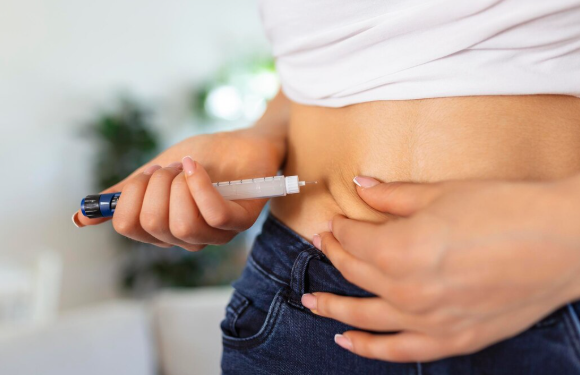
More than 40 million Americans live with diabetes, according to the CDC’s 2026 National Diabetes Statistics Report. Type 2 accounts for 90 to 95 percent of diagnosed cases in adults. For many of these people, insulin enters the treatment plan when oral medications and lifestyle changes no longer keep blood sugar within a safe range.
When does insulin enter the picture?
Type 2 diabetes is progressive. The pancreas still produces some insulin, but cells resist its effects, and production declines over time. Most people start with metformin, dietary changes, and exercise. When A1C stays above goal despite these measures, doctors add second-line therapies like SGLT2 inhibitors or GLP-1 receptor agonists.
ADVERTISEMENT
ADVERTISEMENT
Insulin typically enters the plan when two or more oral medications fail to bring A1C below 7 percent, or when blood sugar at diagnosis is very high. The American Diabetes Association’s 2026 Standards of Care describe insulin therapy as one part of a broader, person-centered framework, not a last resort. Starting insulin means the disease has progressed and the body needs more support.
Types of insulin prescribed for type 2 diabetes
Insulin categories differ by onset, peak, and duration. The table below summarizes the main options.
| Insulin type | Onset | Peak | Duration | Brand examples |
| Rapid-acting | 10-15 min | 1-2 hours | 3-5 hours | NovoLog (aspart), Humalog (lispro) |
| Short-acting | 30 min | 2-3 hours | 3-6 hours | Humulin R, Novolin R |
| Intermediate | 2-4 hours | 4-12 hours | 12-18 hours | Humulin N (NPH) |
| Long-acting | 1-2 hours | Minimal | Up to 24 hours | Lantus (glargine), Levemir (detemir), Basaglar |
| Ultra-long | 1-2 hours | None | 36-42 hours | Tresiba (degludec), Toujeo (glargine U-300) |
| Premixed | 15-30 min | Varies | 10-16 hours | NovoMix 30, Humulin 70/30 |
Long-acting and ultra-long-acting insulins form the backbone of most type 2 regimens. Glargine (Lantus, Basaglar, Toujeo) and degludec (Tresiba) deliver a steady dose throughout the day with a lower hypoglycemia risk than older NPH formulations. A guide to insulin medications for type 2 diabetes can help patients compare specific products and pricing.
Rapid-acting insulins like aspart and lispro are injected before meals to cover post-meal glucose spikes. Some patients also benefit from premixed formulations that combine rapid- and intermediate-acting insulin in a single injection, or combination pens like Xultophy that pair degludec with the GLP-1 agonist liraglutide.
Delivery devices and daily monitoring
Prefilled pens like the Lantus SoloStar or Tresiba FlexTouch are the most popular delivery method. Dial the dose, press the plunger, done. Pens reduce dosing errors compared to syringes because you read a number on the dial rather than estimating lines on a barrel. Vials and syringes remain the lowest-cost option, while insulin pumps suit patients who need continuous delivery.
Fingerstick glucose meters guide daily dosing decisions. Most people on basal insulin alone test once in the morning. Those using mealtime insulin test before each meal. Continuous glucose monitors (CGMs) catch patterns that fingersticks miss, like overnight dips or post-lunch spikes. The ADA’s 2025 Standards of Care recommend CGMs for adults with type 2 diabetes on insulin.
A1C, measured every three to six months, tracks average blood sugar over the prior two to three months. Most adults aim for an A1C below 7 percent, though targets vary by age and risk factors. Older adults or those with frequent lows may have a higher target, such as below 8 percent.
Managing side effects and storing insulin safely
Hypoglycemia (blood glucose below 70 mg/dL) is the most common side effect. The “15-15 rule” is the standard response: consume 15 grams of fast-acting carbohydrate, wait 15 minutes, then retest. Repeat if glucose remains low. Carry glucose tablets at all times, and keep a glucagon emergency kit on hand if you are at risk of severe lows.
Weight gain of 2 to 6 pounds in the first year is typical, according to data from the ORIGIN trial. Pairing insulin with a GLP-1 agonist can help offset this.
Store unopened insulin in the refrigerator at 36 to 46 degrees Fahrenheit. Once opened, most vials and pens stay usable at room temperature for 28 days. Never freeze insulin, and discard any vial with particles or color changes.
Cost and access
A 2024 RAND Corporation report found that U.S. insulin prices were roughly three times higher than in other high-income countries. The Inflation Reduction Act capped out-of-pocket costs at $35 per month for Medicare beneficiaries, and major manufacturers have introduced their own caps. Even so, patients on multiple insulin types can face steep bills.
For patient-focused guidance on insulin and related medications, licensed Canadian pharmacies offer an alternative pathway. Health Canada-approved insulin products are often priced well below U.S. equivalents, and cross-border prescription services have operated under personal importation rules for decades.
Frequently asked questions
Does starting insulin mean my diabetes is worse?
Type 2 diabetes is progressive by nature. Starting insulin means your body needs more help managing glucose, and that you and your doctor are taking the right step to prevent complications.
Can I stop insulin once my blood sugar improves?
Some patients reduce or stop insulin after significant weight loss or medication changes, but this decision must be made with a doctor. Stopping abruptly can cause dangerous blood sugar spikes. Your care team will taper the dose gradually if it is appropriate.
What happens if I miss a dose?
For basal insulin, take the missed dose as soon as you remember, unless it is close to your next scheduled injection. For mealtime insulin, a missed dose means the glucose from that meal will not be covered, so monitor closely and talk to your doctor about a plan for these situations.
Are biosimilar insulins safe?
Yes. Biosimilars like Basaglar undergo rigorous FDA review and must demonstrate high similarity to the reference product in safety, purity, and effectiveness. They often cost less than the originator brand.
Sources
- CDC. National Diabetes Statistics Report, 2026. cdc.gov/diabetes/php/data-research/index.html
- American Diabetes Association. Standards of Care in Diabetes, 2026.
- ADA Standards of Care, 2025 (CGM recommendations for type 2 diabetes on insulin).
- ORIGIN Trial Investigators. NEJM, 2012;367:319-328.
5. Mulcahy AW et al. International insulin price comparisons. RAND Corporation, 2024.
Share this article

Latest Posts





ADVERTISEMENT