



What Happens During a Male Infertility Evaluation? How to Prepare
- Updated on: Jul 22, 2026
- 3 min Read

Dr. Ruman Kugashiya, MD, works at ERA’s Lucknow Medical College and Hospital, Lucknow, Uttar Pradesh. He received his medical education from Smt. Nathiba Hargovandas Lakhmichand Municipal Medical College (NHL MMC), Ahmedabad, Gujarat. He specializes in Critical Care, Gastroenterology and Infectious Disease.
- Published on Jul 22, 2026

For many couples, the decision to seek a fertility evaluation comes after months of trying and hoping. It is a step that takes real courage, especially for men, who are often left out of conversations about fertility even though male factors contribute to nearly half of all infertility cases, according to the National Institutes of Health. Yet despite how common it is, most men have very little idea what an evaluation actually involves before they walk in the door.
If you or your partner are at that point, this article breaks down exactly what to expect and how to make the most of your appointment.
ADVERTISEMENT
ADVERTISEMENT
What to Expect During a Male Infertility Evaluation
The evaluation is not a single test. It is a structured process designed to give your doctor a complete picture of what is happening and why. Here is how it typically unfolds.
1. A Detailed Medical and Reproductive History
The first thing your doctor will do is ask questions. A lot of them. This part of the evaluation covers your general health, any past illnesses or surgeries, medications you are currently taking, lifestyle factors, and your sexual and reproductive history. Things like a history of undescended testicles, prior infections, or previous pregnancies with a partner are all relevant.
This is not small talk. The history often points directly to a likely cause before any testing even begins. Being as honest and thorough as possible here makes the rest of the process more efficient.
2. A Physical Examination
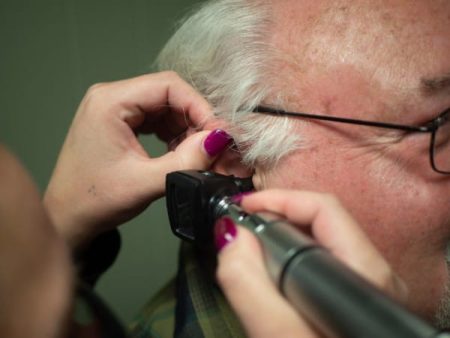
After the history, your doctor will perform a physical exam focused on the reproductive anatomy. This includes examining the testicles for size and consistency, checking for varicoceles (enlarged veins in the scrotum that are one of the most common and treatable causes of male infertility), and assessing the epididymis and vas deferens.
If you’re seeking care for male infertility in Los Angeles, this examination is an important part of the evaluation because it can reveal issues that laboratory tests alone may not detect. Specialty practices such as the Center for Male Reproductive Medicine and Vasectomy Reversal, which focus exclusively on male reproductive health, typically combine the physical examination with a detailed review of your medical history to identify potential causes before deciding whether additional testing is needed.
The exam is straightforward and typically brief. It is not something most men look forward to, but it provides information that no lab test can replace.
3. Semen Analysis
This is the cornerstone of any male fertility workup. A semen sample is collected, usually at the clinic, and analyzed for sperm count, motility (how well sperm move), morphology (the shape of the sperm), and volume. Most evaluations include two separate analyses done on different days to account for natural variation.
In practice, this single test can reveal a great deal. Low count, poor motility, and abnormal shape each point toward different underlying causes and different treatment paths.
4. Hormone Testing
Blood tests are often ordered to check testosterone and other hormones that regulate sperm production, including FSH and LH. Hormonal imbalances can suppress sperm production significantly, and identifying them early opens up treatment options that are relatively straightforward.
5. Additional Testing When Needed
Depending on what the initial evaluation finds, your doctor may recommend further testing. This can include a scrotal or transrectal ultrasound to look for structural issues, genetic testing to check for chromosomal abnormalities, or sperm DNA fragmentation analysis, which assesses damage at the genetic level that standard semen analysis does not catch.
Not everyone needs all of these. The initial results guide what comes next.
How to Prepare Before You Go
Preparation is important, and a few practical steps can meaningfully improve the quality of your results.
- Avoid ejaculation for two to five days before your semen analysis appointment. Too little abstinence and the sample may show artificially low volume; too much and motility can decline. That window is the sweet spot.
- Avoid alcohol, recreational drugs, and tobacco for at least a few weeks before your evaluation if possible. All of these can temporarily suppress sperm production and quality and may skew your results.
- Bring a list of all medications and supplements you are currently taking. Some common medications, including certain antibiotics, antidepressants, and anabolic steroids, can affect sperm. Your doctor needs the full picture.
- Write down your questions before you go. Evaluations can move quickly, and it is easy to forget what you wanted to ask in the moment. Having a list means you leave with the information you actually came for.
Finally, consider involving your partner if they are comfortable attending. Fertility is a shared journey, and having a second person in the room to absorb information and ask follow-up questions can make a real difference.
Final Words
A male infertility evaluation is not something to dread. It is a structured, informative process that gives you real answers to move forward with. The men who come in prepared, who are honest during the history, who follow the pre-appointment guidelines, tend to get more out of the process. Knowledge is the first step toward whatever solution is right for you.
Share this article


Latest Posts



ADVERTISEMENT