


What Makes Dermal Fillers Look Natural Instead of Overfilled
- Updated on: Sep 8, 2026
- 4 min Read

Dr. Rafia Usman is a distinguished medical professional with a Bachelor of Medicine, Bachelor of Surgery (MBBS) degree, with a focus on infectious diseases and lifestyle-related conditions such as diabetes. With an experience in both hospital and clinical settings, Dr. Usman has dedicated her career to the diagnosis, treatment, and management of a wide range of infectious diseases and lifestyle disorders, emphasizing patient education and preventive care.
- Published on Jul 20, 2026
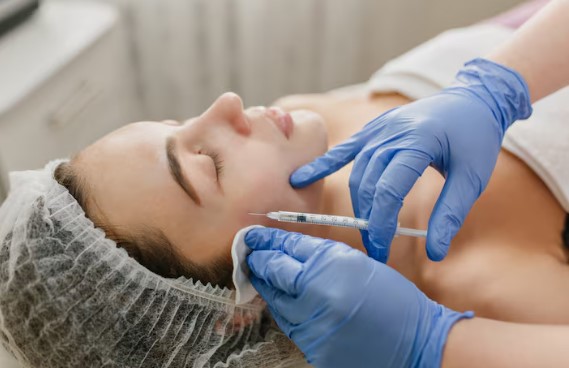
You’ve probably seen both versions. The friend who got a little filler looks rested, like she just came back from a good vacation. And the face that looks stretched, puffy, and not quite right. Ever wonder why some faces look quietly refreshed after filler, while others look like they’re holding their breath? The truth is, natural-looking results have almost nothing to do with the filler itself. It’s a mix of small, deliberate choices about how much product to use, exactly where it goes, and how well it matches the patient’s actual face.
Pittsburgh happens to have a strong pool of experienced injectors, which is part of why so many local patients walk away with results people compliment without quite knowing why. They come down to how much is used, where it’s placed, and who’s holding the syringe.
ADVERTISEMENT
ADVERTISEMENT
Here’s what actually separates a subtle refresh from an overfilled look:
Why Some Fillers Look Fake in the First Place
Overfilling rarely happens on purpose. It creeps in over time. A patient gets a small touch-up every few months, and each round adds volume before the last one has fully settled. Eventually, the cheeks look rounded in a way that doesn’t match the rest of the face, or the lips lose their natural border.
A few patterns tend to show up again and again:
- Chasing perfect symmetry: No face is perfectly symmetrical, and trying to force it usually backfires.
- Treating one area repeatedly: Going back to the same spot visit after visit without reassessing the whole face.
- Using too much product per session: More filler doesn’t mean better results; it usually means puffiness.
- Ignoring how the face moves: Filler that looks fine at rest can look strange when someone smiles or talks.
Once you know what causes the overfilled look, it’s easier to spot the opposite: the choices that actually keep results looking like you, just rested.
The Real Factors Behind a Natural Result
A natural outcome isn’t luck, and it isn’t really about which filler brand gets used. It comes down to five decisions an experienced injector makes before, during, and after your appointment.
1. Placement Matters More Than Volume
Skilled injectors think in layers and structure, not just “fill the line.” Filler placed deep, near the bone, restores lost support without changing the skin’s surface texture. Filler placed too close to the surface is what creates that shiny, swollen look people notice right away.
2. Less Product, Done Right, Beats More Product
Experienced injectors often start conservative and build up over multiple visits instead of doing it all at once. Facial tissue needs time to adjust, and it’s easier to add a little more filler later than to fix a face that’s been overdone.
3. The Injector’s Eye for Proportion
This part is harder to standardize, because it’s more art than formula. An experienced provider looks at the whole face, not just the area a patient points to. Cheek volume affects the lower face. Jawline definition changes how the neck appears. Good injectors plan around these relationships instead of treating each area on its own.
4. Matching Filler Type to the Job
Not all fillers behave the same way once they’re under the skin. Some are thicker and built for structure, like cheekbones or jawlines. Others are softer, designed for delicate areas like under-eyes or lips. Using a heavy, structural filler in a thin-skinned area is a common reason results look lumpy.
5. Respecting the Aging Process, Not Fighting It
A natural result restores what time has taken away, rather than erasing every sign of age. Faces lose volume in fairly predictable places over the years, and replacing that lost volume tends to look like a rested version of the same person, not a different face.
In a clinical study of a hyaluronic acid lip filler, patient-rated satisfaction with results climbed to 93-94% at the four-week follow-up, and the share of patients who rated their lips as looking “Extremely Natural” or “Very Natural” rose to 93% once initial swelling was resolved.
What Patients Can Do to Avoid the Overfilled Look
Choosing the right provider is the biggest factor, but patients play a role too. A few things worth keeping in mind:
- Start small: You can always add more filler. Removing it is a much bigger ask.
- Ask about the plan, not just the product: A good consultation covers your whole face, not just one line or area.
- Bring reference photos of yourself: Pictures from five or ten years ago help an injector understand what “natural” looks like on your face specifically.
- Give it time between sessions: Swelling can hide the true result for one to two weeks.
- Choose experience over convenience: A trained, board-certified provider is worth the extra research.
With careful planning, the right technique, and a focus on subtle enhancement, fillers can restore volume and soften signs of aging while maintaining the expressions and features that make your face uniquely yours.
Questions Worth Asking Before You Book
A short conversation before treatment tells you a lot about how a provider works. It helps to ask:
- How they decide how much filler an area actually needs.
- Whether they recommend starting small and building up over time.
- How they plan for the way your face moves, not just how it looks at rest.
- What results typically look like once swelling fully resolves.
Providers who answer these clearly, without rushing to upsell more products, tend to be the ones patients trust for long-term results.
Patients researching dermal fillers in Pittsburgh are typically looking for exactly this kind of provider.
Leong Facial Plastic Surgery is one option locally known for this approach, where the focus stays on enhancing features rather than changing them.
Signs You’re in Good Hands
Before committing to a provider, it helps to know what a thoughtful, experienced injector actually looks like in practice:
- They ask about your goals in detail, not just which area you want treated.
- They explain why they’re recommending a specific filler type and amount.
- They’re comfortable saying “less is better here” instead of upselling more products.
- They talk about your face as a whole system, not isolated parts.
- They’re transparent about downtime, swelling, and what results will look like at each stage.
A good consultation should feel like a conversation about your face as a whole, not a checklist of products. That’s usually the clearest sign you’re in the right hands.
The Bottom Line
Natural-looking filler isn’t about finding a magic product. It’s about restraint, precise placement, and a provider who genuinely understands facial structure. The overfilled look happens when any of those three things is missing, not because filler itself is inherently unnatural.
If you’re considering injectables, the most important decision you’ll make isn’t which filler brand to choose. It’s who’s holding the syringe. Take the time to find a provider who prioritizes subtlety and long-term facial harmony over dramatic, immediate change. That’s the difference between looking like you had “work done” and simply looking like a well-rested version of yourself.
Share this article



Latest Posts




ADVERTISEMENT