


Why More People Are Choosing Patient-Focused Care Models
- Updated on: Apr 9, 2026
- 4 min Read

Monika Singh is an expert in computer sciences and has pursued her Master’s degree (M.Tech-CS) from Banasthali University, Rajasthan. Her areas of interest include data structure, software engineering, software testing, and computer graphics. Monika Singh has published a paper on “Modified AODV in MANET,” International Journal of Computer Science and Management Studies (IJCSMS), ISSN: 2231-5268, Vol-14, Issue-05 May 2014, PP:12-18.
By
- Published on Apr 9, 2026
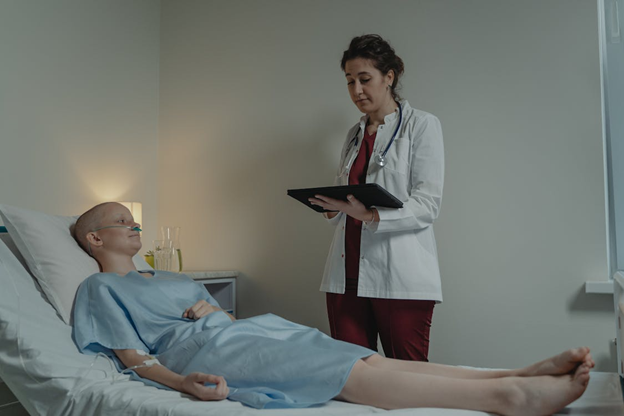
Have you ever left a doctor’s visit feeling rushed, confused, or unheard? You are not alone. Many Americans, especially those in Tampa, are rethinking how healthcare should work, and patient-focused care models are gaining attention. These approaches put people, not paperwork, at the center of care. The shift is not random. It reflects changing expectations, rising costs, and a growing demand for better experiences in everyday healthcare.
The Growing Frustration With Traditional Care
ADVERTISEMENT
ADVERTISEMENT
For years, the standard healthcare system has felt like a conveyor belt. Patients move from waiting rooms to brief appointments, often with little time to ask questions. Doctors, on the other hand, are pressured to see more patients in less time. The result is a system that feels efficient on paper but disconnected in practice.
Recent surveys in the U.S. show declining patient satisfaction, especially among younger adults. People expect more personalized attention in every part of life, from shopping to banking, so healthcare stands out as outdated. When a ten-minute visit costs hundreds of dollars, frustration grows quickly.
This gap between expectations and reality has pushed many to explore alternatives that feel more human and less transactional.
What Patient-Focused Care Really Means
Patient-focused care is not just a buzzword. It means longer visits, direct communication with doctors, and treatment plans shaped around individual needs rather than insurance rules. In cities like Tampa, services such as Craft Concierge have gained attention for offering direct primary care models where patients pay a monthly fee for more access and personalized attention.
This model removes some of the middle layers that slow things down. Patients can text their doctor, schedule same-day visits, and spend more time discussing their health. Instead of feeling like a number, they feel known. That simple shift can improve trust, which is often missing in traditional care.
The idea is straightforward. When patients feel heard, they are more likely to follow medical advice and stay engaged in their health.
The Role of Rising Healthcare Costs
Healthcare costs in the United States continue to climb, and many people feel they are paying more but getting less. High deductibles and surprise bills have made even routine care stressful. Patient-focused models respond to this problem by offering clearer pricing and fewer hidden costs.
Direct primary care plans, for example, often include basic services under a flat monthly fee. This can make budgeting easier for families who are tired of unpredictable bills. While these models do not replace insurance entirely, they reduce reliance on it for everyday care.
In a time when inflation affects everything from groceries to rent, predictable healthcare costs feel like a major relief.
Technology Is Changing Expectations
Technology has reshaped how people interact with almost every service. You can order food, manage finances, and attend meetings from your phone. Healthcare, however, has been slower to adapt. That gap has made patient-focused care models even more appealing.
Telehealth, secure messaging, and online scheduling are now expected, not optional. During the COVID-19 pandemic, many people experienced virtual care for the first time. It showed that healthcare could be more flexible without losing quality.
Patient-focused providers have embraced these tools more quickly. They understand that convenience is not a luxury anymore. It is part of what people consider good care.
A Shift Toward Preventive Care
Traditional healthcare often focuses on treating problems after they appear. Patient-focused care shifts attention toward prevention. This means regular check-ins, lifestyle guidance, and early intervention before small issues become serious.
When doctors have more time with patients, they can discuss diet, exercise, sleep, and mental health in meaningful ways. These conversations are often skipped in rushed visits, even though they play a major role in long-term health.
Preventive care also reduces overall costs. Catching a condition early is almost always cheaper and easier than treating it later. This approach benefits both patients and the healthcare system as a whole.
The Influence of Broader Social Trends
The rise of patient-focused care does not exist in isolation. It connects to larger social trends around personalization and autonomy. People want control over their choices, whether it is how they work, shop, or manage their health.
The growth of remote work has also changed how people think about time. Sitting in a waiting room for hours no longer feels acceptable when flexible options exist. At the same time, there is a stronger focus on mental well-being, which includes reducing stress tied to healthcare experiences.
Even social media has played a role. Patients now share their experiences openly, which increases awareness of better alternatives and pushes providers to improve.
Building Stronger Doctor-Patient Relationships
One of the most important benefits of patient-focused care is the relationship it builds between doctors and patients. Trust grows when people feel listened to and understood. This trust leads to better communication and more accurate diagnoses.
In traditional systems, doctors may not remember much about a patient beyond their chart. In patient-focused models, doctors often know personal details that matter. They understand lifestyle, stress levels, and long-term goals.
This deeper connection can change how care feels. Instead of a quick transaction, it becomes an ongoing partnership. That shift may seem small, but it has a powerful impact on outcomes and satisfaction.
Practical Tips for Choosing the Right Model
If you are considering a patient-focused care model, it helps to start with clear questions. Look at how much access you will have to your doctor. Ask about communication options, appointment length, and what services are included in the cost.
Compare pricing carefully. A flat monthly fee may seem higher at first, but it can save money over time if it covers common visits and tests. Also check how the model works with your existing insurance, especially for specialists or emergencies.
Finally, think about your personal needs. If you value convenience, communication, and preventive care, these models may fit well. If you rarely visit a doctor, you might need to weigh the cost differently.
Patient-focused care is not a one-size-fits-all solution, but its growing popularity shows that people are ready for change. The healthcare system is slowly adapting, and this shift reflects a simple truth. People want care that feels like it is designed for them, not around them.
Share this article


Latest Posts




ADVERTISEMENT