
Browsing: Women Health

The page provides quick access to a list of common diseases, syndromes, health conditions, and other topics of health importance pertaining to women’s health. The list is organized alphabetically. Links are provided to respective diseases sections that serve as a comprehensive and ultimate guide about the disease or health condition.
A gynecological disorder involves damage or risk to any female reproduction organ, which includes the abdominal and pelvic area, i.e., ovaries, uterus, fallopian tubes, vagina, vulva and breasts. Some of these disorders can even affect the proper functioning of the reproductive system and may create difficulty during pregnancy or child birth.
Healthcare professionals believe that every woman may suffer from one or another type of gynecological condition at some point in their life. In the past few years, the incidence of few gynecological disorders has sternly increased such as endometriosis, uterine fibroids and breast cancer. They have not only affected adult women, but teenage girls also have shown high incidence of certain gynecological diseases.
From puberty till menopause, a woman’s reproductive organs are continuously changing due to sexual activity, pregnancy and aging. These changes occur due to variation in hormonal levels in the body. An injury or a disease can also affect your reproductive system, leading to a gynecological disorder.
Common gynecological disorders include dysmenorrhea, vulvodynia, chronic pelvic pain, breast cancer, polycystic ovary syndrome, endometriosis, uterine fibroids, vaginitis and menstrual cramps.
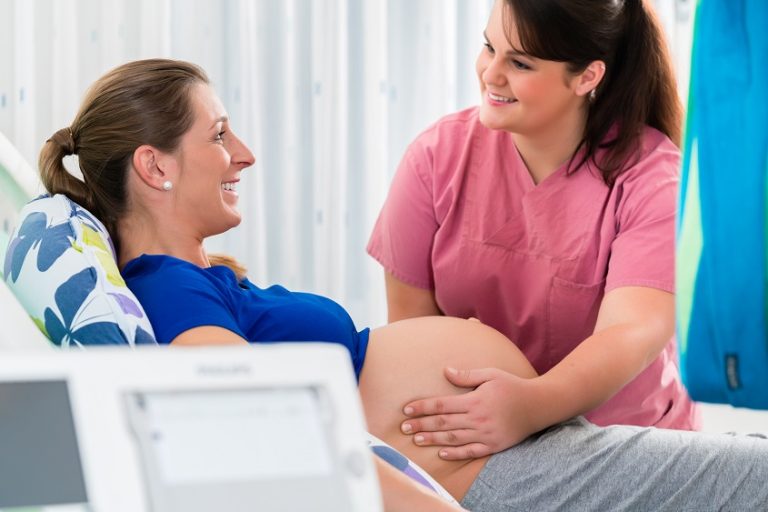
There are many tips and strategies for increasing your chances of getting pregnant. These include understanding your menstrual cycle, maintaining a healthy lifestyle, tracking ovulation, seeking medical help if necessary, and considering alternative therapies like acupuncture and fertility massage. By taking care of your overall health and seeking out appropriate medical advice and support, you can increase your chances of achieving your dream of starting a family. Remember, patience and persistence are key, and with the right approach, you can improve your odds of getting pregnant.
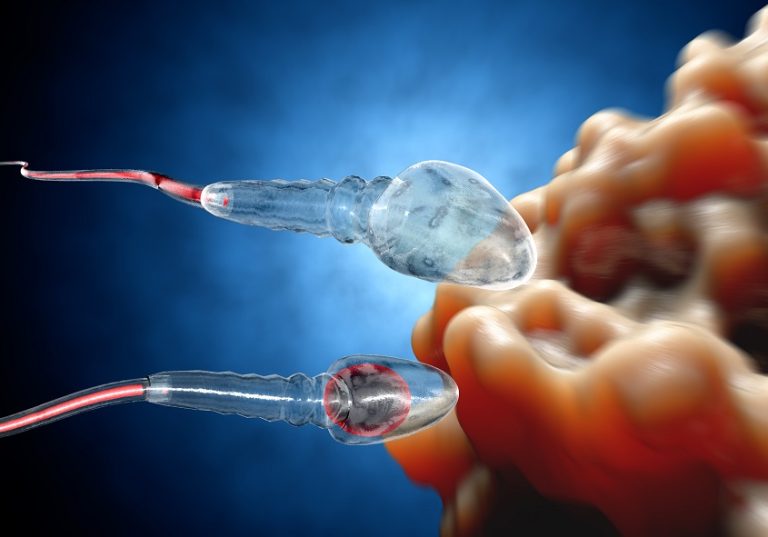
The article aims to educate readers about the benefits of natural techniques for boosting fertility. By the end of the article, readers will have a comprehensive understanding of the different natural techniques and lifestyle changes they can make to increase their chances of conceiving a child.
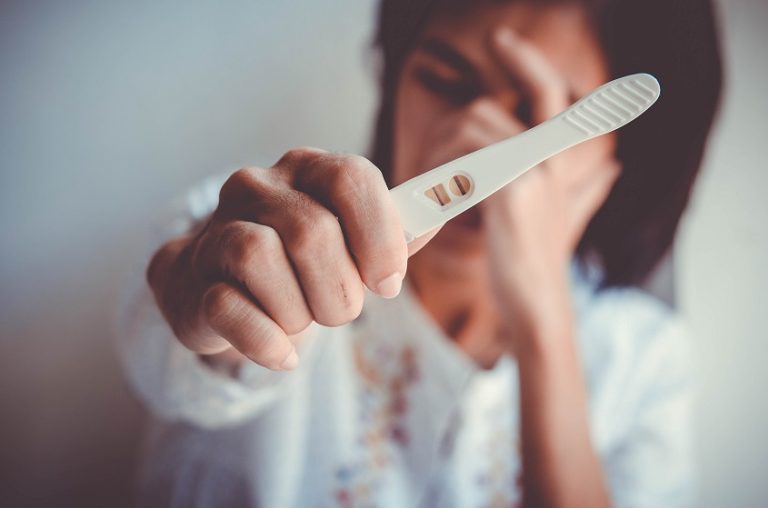
Taking a pregnancy test is an important step for those looking to start or expand a family. It is recommended to wait at least a week after a missed period for the most accurate results. There are two main types of tests, urine and blood tests, and both have high accuracy rates when taken correctly and at the right time. False negatives can occur if taken too early or if the test is not taken correctly.
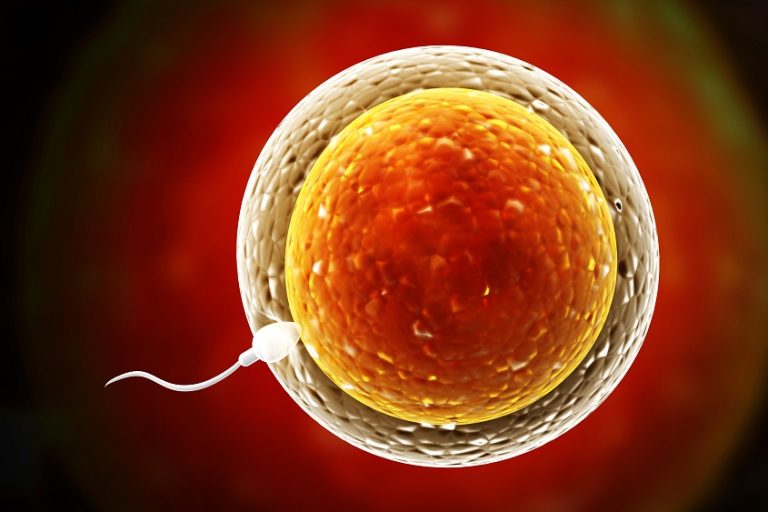
This article explains how to recognize the signs of ovulation and determine your most fertile time. It offers tips for identifying your fertile window, including charting basal body temperature, tracking cervical mucus, and paying attention to your body’s symptoms. It also discusses lifestyle habits that can boost fertility, such as maintaining a healthy weight, eating well, exercising, reducing stress, and avoiding smoking and excessive alcohol consumption.

Understanding Your Menstrual Cycle: The Basics is a comprehensive guide that highlights the importance of understanding menstrual health, identifying potential health issues, and taking control of one’s reproductive health. It emphasizes the significance of education, communication, and self-care in promoting menstrual health and wellbeing.
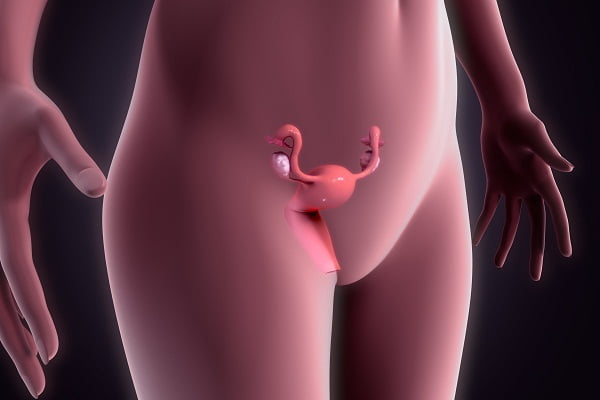
Endometriosis and polycystic ovarian syndrome (PCOS) are common disorders in women that affect about 10 percent of women worldwide. The conditions particularly occur in women of childbearing age. These problems can be quite painful and it can be very difficult to cope with them, still they are often hard to recognize.
Vaginal discharge is a fluid or semi-solid substance that is released from the vaginal opening. Most women have at least some vaginal discharge and it is normal. If the vaginal discharge is not normal, it is considered a sign of some disease or health problem such as an infection.
Are you worried because your vagina smells or stinks? Vaginal odor in women is not so uncommon. This may be due to many reasons. Infection can be one of them. But it is not always due to an infection. It may be due to your food and drinking habit, lifestyle etc.
Postpartum preeclampsia is a less common condition but can become life-threatening and serious. About 15 percent of postpartum preeclampsia patients experiences more severe aspects such as eclampsia, which is characterized by seizures. Getting the right medicine and dosage is important to lower your blood pressure and avoid complications.
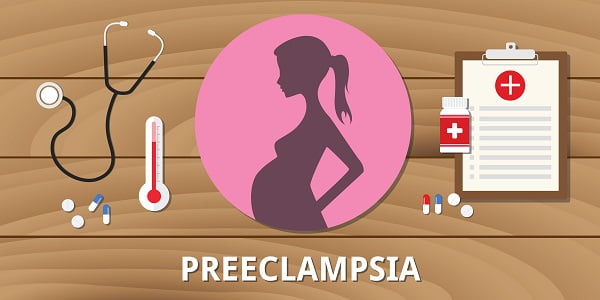
Preeclampsia is a condition that occurs only during pregnancy. Symptoms of preeclampsia are high blood pressure and protein leakage in urine. The condition generally develops after 20th week of pregnancy, although it can happen even earlier. Preeclampsia affects about 6% of women in pregnancies. The complications can be severe.
ADVERTISEMENT