


Latest Advances in Hormone Replacement Therapy
- Updated on: May 26, 2026
- 4 min Read

- Published on May 25, 2026

Menopause care is changing fast, and many American women feel the shift. Hormone replacement therapy is no longer seen as one plain pill for everyone. Today, doctors look at age, symptoms, family history, sleep, mood, bones, heart risk, and daily life.
This matters because hot flashes at work feel different from night sweats at 2 a.m. Modern care is more careful, more personal, and, well, less scary. The goal is steadier sleep, calmer days, stronger bones, better focus, and better comfort, with the lowest helpful dose.
ADVERTISEMENT
ADVERTISEMENT
Advancements in Hormone Replacement Therapy
Newer care is built around safer doses, better delivery, closer follow-up, and treatment plans shaped around each woman’s real symptoms.
Rise of Bioidentical Hormones
Bioidentical hormones are a big talking point in modern menopause care. They are made to match hormones the body already knows, like estradiol. This sounds neat, and for many women, it feels more natural. However, the key details are the source and safety checks.
U.S. doctors often prefer approved forms that have clear labels, measured strength, and known risks. Custom mixed creams may sound personal, but their dose can vary. This can make symptoms swing, kind of like bad weather.
The better advance is not just the word “bioidentical.” It is the move toward tested, steady, body-like hormones when they fit. A woman with hot flashes, poor sleep, and low mood may get estradiol plus progesterone. Her uterine status matters too, as does her age.
In addition, follow-up visits help catch side effects early. This newer approach of Hormone Replacement Therapy feels less rushed and more guided.
Smart Transdermal Technology
Patches, gels, and sprays have changed the feel of hormone care. A patch can sit on the skin and release estrogen slowly. This may help avoid the sharp ups and downs some women feel with pills. It also skips the stomach, which can be useful for busy people.
For example, a teacher may not want another morning pill. A weekly patch can be simpler. Newer skin delivery also helps doctors fine-tune dose changes. Small shifts can be made without starting from scratch. This is where smart really means practical.
Better adhesives stay put during walks, showers, and long workdays. Clearer dosing also helps women track what helps. On the other hand, skin can get red or itchy. So placement, rotation, and follow-up still matter. The big gain is steady relief with less daily hassle.
Advanced Delivery Systems
Delivery systems now target symptoms more precisely. This is a quiet but useful advance. Vaginal rings, tablets, creams, and inserts can support dryness, burning, pain with sex, and urinary bother. These are very real problems, even when people do not say them out loud.
Local therapy can place medicine near the tissue that needs help. This may use a smaller amount than whole-body treatment. Also, it can be paired with moisturizers, pelvic care, or other support. For women who mainly have vaginal symptoms, this matters a lot.
They may not need a full body plan. Some delivery systems last for weeks, which helps with routine. Others are used a few times weekly. The choice depends on comfort, cost, insurance, and hand strength. Well, it sounds small, but it is not. Easy use keeps care going.
Testosterone Therapy Innovations for Women
Testosterone is not only a “male” hormone. Women make it too, just in smaller amounts. It supports sex drive, energy, muscle, mood, and brain sharpness. Still, treatment has to be careful.
In the U.S., testosterone therapy for women is usually discussed for low desire that causes distress. It is not a magic fix for tiredness or weight gain. Newer thinking is more honest about that. Doctors may use tiny measured doses, often through a cream.
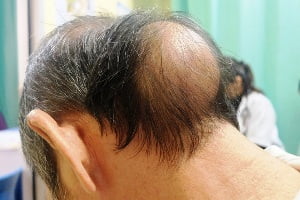
They also check levels and symptoms over time. Too much can cause acne, extra hair, scalp hair loss, or voice changes. This is why pellets and shots raise concern for many experts.
They can push levels too high. The best innovation is restraint. Women get heard, tested, and treated when the match is right. Also, they are not to blame for wanting answers.
Microdosing & Low-Dose HRT
Microdosing is getting attention because many women want relief without feeling overtreated. Low-dose plans use the smallest amount that still helps. This may mean a low-dose patch, a small gel amount, or local vaginal care. The idea is simple: ease symptoms, then keep checking.
A woman starting before age 60 may have a different risk picture than someone older. Timing matters, and so do migraines, clot history, breast cancer history, and heart risk. This is why the best visits now include plain talk, not just a prescription.
Doctors may start low, review hot flashes, sleep, mood, bleeding, and breast tenderness, then adjust. Some women need more, and some need less. Some stop after a few years, while others use local care longer. It is not one road, but more like a map with careful turns.
Increased Focus on Long-Term Health
The latest care looks past hot flashes, which is a big deal. Menopause can touch bones, sleep, mood, bladder health, weight, sex, and daily confidence. Long-term planning now sits at the center of many visits.
Doctors may check bone risk, blood pressure, cholesterol, family history, and lifestyle. They may also ask about sleep quality, stress, and sex pain. This fuller view helps women feel like whole people, not symptom lists.
In addition, treatment choices can change as life changes. A woman may need stronger help during rough night sweats. Later, she may only need local vaginal support.
Exercise, protein, calcium, vitamin D, and strength training also matter, and so does not smoking. Hormones can be one thing, not the whole picture. The real advance is care that lasts beyond one prescription.
Conclusion
Latest advances in Hormone Replacement Therapy give you safer choices and clearer care today. From smart patches to low doses, your plan can feel more personal now. Bioidentical options, careful testing, and better follow-ups help guide each small step.
In the USA, you can ask for care that fits your body. With the right advice, your next chapter can feel steady, calm, and bright.
Share this article







ADVERTISEMENT