
Still Struggling With Post-COVID Hair Loss? Here’s What Your Body May Need
- Updated on: Jul 11, 2026
- 4 min Read

Dr. Ruman Kugashiya, MD, works at ERA’s Lucknow Medical College and Hospital, Lucknow, Uttar Pradesh. He received his medical education from Smt. Nathiba Hargovandas Lakhmichand Municipal Medical College (NHL MMC), Ahmedabad, Gujarat. He specializes in Critical Care, Gastroenterology and Infectious Disease.
- Published on Jul 11, 2026
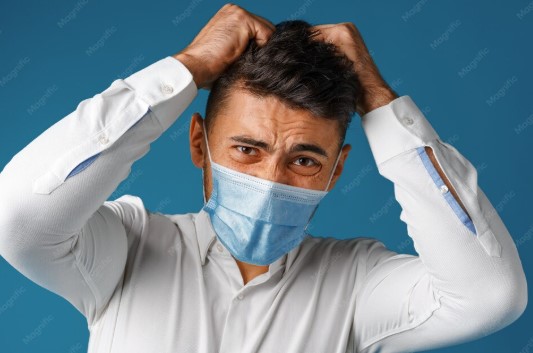
If you’ve caught yourself staring at a hairbrush full of strands, or noticed your ponytail feels noticeably thinner than it used to, you’re not imagining it. For a lot of people, hair loss doesn’t show up during a COVID infection at all. It shows up weeks, sometimes months, after they’ve already recovered and moved on with life. That delay can be confusing, even a little unsettling, especially when bloodwork comes back “normal” and nobody seems to have a clear answer.
The good news is that this kind of shedding usually does have an explanation, and once you understand what’s actually happening inside your body, it gets a lot easier to figure out what to do next.
ADVERTISEMENT
ADVERTISEMENT
Why Hair Loss Shows Up Long After You’ve “Recovered”
This delayed shedding has a name: telogen effluvium. In simple terms, a major physical stressor, whether that’s a high fever, a serious illness, or even prolonged emotional stress, can push a larger-than-usual percentage of your hair follicles into their resting phase all at once. Hair doesn’t fall out the moment that happens.
It takes roughly two to three months for those resting follicles to release the strand and for the shedding to become noticeable in the shower drain or on your pillow. So if you came down with COVID back in the spring and you’re losing more hair now, the timeline actually lines up.
It’s Not Just Cosmetic — Your Body Is Telling You Something
It’s tempting to write off hair loss as a purely cosmetic annoyance, but it’s often a visible symptom of something happening beneath the surface. Viral infections can deplete nutrient stores, disrupt hormone levels, and leave behind lingering inflammation, and all of that affects how well your follicles are able to function.
In other words, your hair isn’t really the problem. It’s more like a messenger, letting you know your body is still in the process of recovering, even if you feel fine otherwise. Understanding the connection between your health and hair growth can help you take the right steps toward recovery.
What Your Body May Need to Bounce Back
If you’re dealing with post-COVID shedding, here are a few areas worth paying attention to before you reach for another bottle of shampoo that promises miracles.
- Replenish Key Nutrients: Hair follicles are demanding little structures, and they’re often among the first things your body deprioritizes when nutrient stores run low. Iron, zinc, vitamin D, and biotin all play a role in healthy hair growth, and a viral illness can quietly drain several of them at once.
A simple blood panel can tell you whether a deficiency is genuinely part of the picture, rather than guessing your way through a pharmacy aisle of supplements.
- Calm Lingering Inflammation: Post-viral inflammation doesn’t always announce itself with obvious symptoms. Sometimes it shows up quietly, as fatigue, brain fog, joint stiffness, or yes, hair shedding.
Supporting your body with an anti-inflammatory diet, steady hydration, and less processed sugar can help take some of the pressure off your system while it continues healing in the background.
- Get a Professional Read on What’s Actually Going On: Self-diagnosing through internet forums and social media threads can only take you so far, and it’s easy to spend months trying random remedies without ever addressing the actual cause. Looking into post Covid hair loss at Health and Vitality Center is a reasonable next step if you’d rather get a clearer picture of what’s driving your shedding instead of guessing your way through it.
That kind of evaluation focuses on connecting symptoms like this back to the underlying hormonal or nutritional shifts that triggered them in the first place, so you end up treating the cause and not just the surface.
- Manage Stress and Protect Your Sleep: Stress hormones and hair growth cycles are closely linked, and recovering from a viral illness is its own form of physical stress, even after you start feeling like yourself again.
Prioritizing consistent sleep, modest daily movement, and a little more patience with yourself all help signal to your body that it’s safe to shift out of survival mode and back into a normal hair growth rhythm.
- Be Patient With the Regrowth Timeline: Hair that sheds due to telogen effluvium typically does grow back. The timeline, though, can feel painfully slow when you’re the one living through it.
Most people start noticing fine new regrowth around three to six months after shedding begins, with fuller, more noticeable results taking closer to a year. Patience isn’t the most satisfying answer, but in most cases, it’s an honest one.
When to Seek Help Instead of Waiting It Out
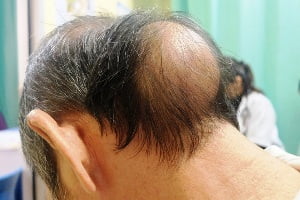
Most post-COVID hair loss resolves on its own once the body finishes recovering, but that’s not true for everyone. If shedding continues well past the six-month mark, if you’re noticing distinct bald patches rather than general thinning, or if hair loss is showing up alongside other lingering symptoms like fatigue or irregular cycles, it’s worth getting evaluated rather than assuming time alone will sort it out.
The Bottom Line
Losing hair after an illness you thought you’d already beaten can feel discouraging, even a little unfair. But it’s rarely permanent, and it’s rarely mysterious once you take an honest look at what your body actually went through.
Give it the nutrients, the rest, and the attention it’s been quietly asking for, and there’s a good chance your hair will follow your body’s lead right back to normal.
Share this article



Latest Posts




ADVERTISEMENT