


Why Nurses Need to Adapt to New Demands in Patient Care
- Updated on: Jun 4, 2026
- 4 min Read

Arshi Anjum is a qualified homeopath who believes alternative medicine disciplines can really do wonders in certain situations and particularly for some conditions and diseases. She completed her medical education from Bakson Homeopathic Medical College, Greater Noida, India.
- Published on Jun 4, 2026
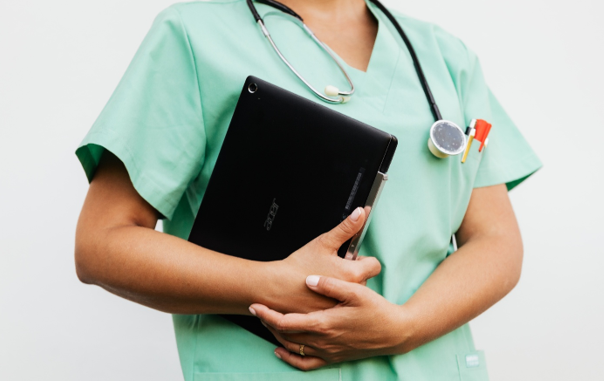
Most nurses have experienced a shift where the patient list looked manageable at the start, then somehow doubled in complexity before lunch. The work itself has always been demanding, but what patients need, expect, and bring into healthcare settings today is not quite the same as it was a few years ago.
Patient care is changing in ways that are easy to notice once you spend enough time around healthcare. People arrive with more information, more questions, and often more complicated health concerns. At the same time, healthcare systems are managing staffing challenges, new technology, and growing pressure to deliver quality care efficiently. Nurses find themselves at the center of all of it.
ADVERTISEMENT
ADVERTISEMENT
The Changing Reality of Modern Nursing
The nursing profession has never stood still for very long. New treatments emerge, patient populations change, and healthcare organizations adjust to shifting demands. What feels routine today may look completely different a decade from now. That reality has become more noticeable as technology, demographics, and workplace expectations continue evolving at the same time.
For nurses, keeping pace with change is not simply about learning new procedures. It often involves adapting communication styles, understanding unfamiliar technologies, and responding to patients whose expectations have been shaped by instant access to information. Healthcare environments are becoming more interconnected, which means changes in one area often affect several others.
Anyone trying to understand current trends and issues in nursing will quickly notice that patient care sits at the center of many discussions. Workforce shortages, digital tools, chronic disease management, and changing patient expectations all influence how nurses work. These developments are not temporary adjustments. In many cases, they are becoming permanent parts of modern healthcare.
Patients Arrive Better Informed Than Before
Years ago, many patients relied almost entirely on healthcare professionals for information about symptoms, medications, and treatment options. That is no longer the case. Today, patients often arrive after spending hours researching their concerns online. Some of that information is useful. Some of it is not. Nurses frequently find themselves helping patients sort through conflicting advice, social media claims, and health articles of varying quality.
This changes the nature of patient interactions. Education has become a larger part of the job. Nurses are often expected to explain complex topics in ways that are easy to understand while also correcting misinformation without creating tension. It requires patience, communication skills, and a willingness to adapt conversations to each person’s level of understanding.
Technology Has Become Part of Everyday Care
Technology has changed nearly every profession, and nursing is no exception. Electronic health records, remote monitoring systems, telehealth appointments, and digital communication tools are now common across many healthcare settings.
These systems can improve efficiency and patient outcomes, but they also require nurses to develop new skills. Learning a technology platform is not always difficult by itself. The challenge comes from using those tools while still maintaining meaningful patient interactions.
Patients rarely remember how quickly a record was updated. They remember whether they felt heard. Nurses often have to balance documentation requirements with human connection, and that balancing act has become a larger part of daily practice. The technology is helpful, but it changes the workflow. That adjustment continues for many healthcare professionals.
Chronic Conditions Are Becoming More Common
Another shift involves the growing number of patients managing long-term health conditions. Diabetes, heart disease, respiratory illnesses, and other chronic conditions require ongoing care rather than short-term treatment.
As a result, nurses spend more time supporting patients over extended periods. Education, monitoring, and follow-up communication often become just as important as immediate clinical interventions.
This type of care requires a slightly different mindset. Success is not always measured by quick improvement. Sometimes progress happens gradually through small changes, consistent support, and patient engagement over time. The work can be rewarding, but it also requires flexibility. Each patient’s circumstances are different, and care plans often need adjustment along the way.
Staffing Challenges Affect Patient Expectations
Many healthcare organizations continue dealing with staffing shortages and increased workloads. Patients may not always see those challenges directly, but they often feel the effects through longer wait times or reduced access to services. For nurses, this creates additional pressure. Expectations remain high regardless of staffing levels. Patients still deserve safe, attentive care, and nurses continue working to provide it.
Adaptability becomes especially important in these situations. Priorities may change quickly during a shift. Unexpected situations can appear without warning. The ability to remain organized while adjusting to changing conditions has become one of the profession’s most valuable skills. Experience helps, but adaptability matters too.
Communication Matters More Than Ever
Patient care involves far more than clinical knowledge. Communication plays a major role in outcomes, satisfaction, and trust. Healthcare environments have become more diverse, which means nurses interact with people from different backgrounds, age groups, and life experiences every day. Communication approaches that work well with one patient may not work with another.
Patients also expect greater involvement in healthcare decisions. They want explanations, transparency, and opportunities to ask questions. Many view healthcare as a partnership rather than a one-directional process. This shift requires nurses to adjust how information is delivered. Technical accuracy remains important, but clarity and empathy often matter just as much.
Lifelong Learning Has Become Essential
One of the most significant changes in nursing is that education no longer ends after graduation. New medications, treatment approaches, technologies, and regulations continue to appear throughout a nurse’s career. That reality makes ongoing learning a practical necessity rather than a professional bonus.
Fortunately, learning opportunities are more accessible than before. Professional development programs, online education, certifications, and continuing education courses allow nurses to build skills throughout their careers. The challenge is not finding resources. It is making time for them while managing demanding workloads. Still, healthcare continues evolving whether professionals are ready or not. Nurses who stay engaged with new developments often find themselves better prepared for the changes ahead.
Patient care has always required knowledge, compassion, and clinical skill. Those qualities remain essential. What has changed is the environment surrounding them. Modern healthcare moves faster, patients expect more involvement, and technology continues to reshape daily work. Adapting to these realities is no longer optional. It has become part of providing effective care in a healthcare system that keeps moving forward, whether anyone feels fully prepared for it or not.
Share this article
Latest Posts



ADVERTISEMENT