

How Plastic Surgery Restores Confidence and Health After Major Weight Loss
- Updated on: Jul 26, 2026
- 4 min Read

Arshi Anjum is a qualified homeopath who believes alternative medicine disciplines can really do wonders in certain situations and particularly for some conditions and diseases. She completed her medical education from Bakson Homeopathic Medical College, Greater Noida, India.
- Published on Jul 26, 2026
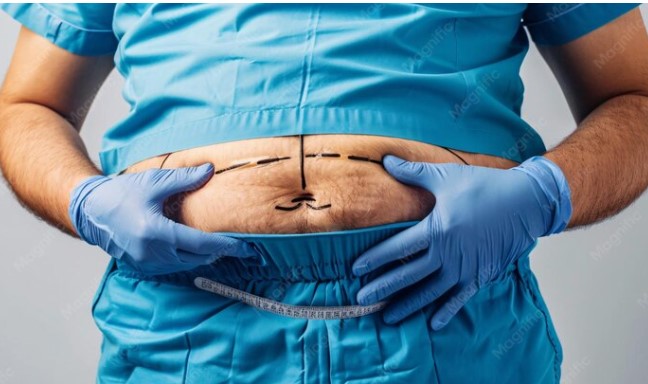
Losing a significant amount of weight is one of the hardest things a person can do, and it deserves real celebration. But there’s a part of that journey people don’t always talk about openly: the loose, hanging skin that’s often left behind, no matter how disciplined the diet or how consistent the workouts were. It’s an unexpected chapter of the process, and for many people—including those exploring body contouring options in Houston—the next honest step is considering surgical procedures to address concerns that diet and exercise alone cannot.
This isn’t a shortcut or a failure to commit to healthy habits; it’s simply the next logical phase for a body that’s already done so much work. Mentioned below are several ways plastic surgery can help restore both confidence and comfort after major weight loss.
ADVERTISEMENT
ADVERTISEMENT
1. Excess Skin Is More Common Than People Expect
Many people assume that losing weight the right way will naturally tighten their skin, but biology doesn’t always cooperate, especially after major or rapid weight loss. According to the American Society of Plastic Surgeons, more than two-thirds of patients with massive weight loss are left with loose or overhanging skin, which can lead to decreased satisfaction with their results as well as physical discomfort.
Knowing this in advance helps a lot of people feel less discouraged when they reach their goal weight and still don’t see the body they expected. It’s not a personal failure, it’s simply a common physiological result of significant weight change, since skin that’s been stretched for months or years doesn’t always have the elasticity to snap back on its own, regardless of how much muscle tone someone builds afterward.
2. Loose Skin Creates Real Physical Problems
This isn’t purely a cosmetic issue. Excess skin can rub, chafe, and trap moisture, which frequently leads to rashes, irritation, and even infections in the folds that form after major weight loss. It can also restrict movement, making exercise more uncomfortable at exactly the point when staying active matters most for maintaining results.
Body contouring surgery addresses these functional problems directly, not just the way the body looks in the mirror, which is part of why many patients describe it as a health decision as much as an aesthetic one.
3. Confidence Often Returns in Unexpected Ways
People who’ve lost significant weight often describe an odd disconnect: they’ve done the hard work, but they still avoid mirrors or feel uncomfortable in fitted clothing because of the skin that remains. Removing that excess skin frequently closes the emotional gap between the effort someone has put in and how they actually feel looking at themselves. It’s less about vanity and more about finally seeing the results that match months or years of genuine hard work.
A few areas where body contouring tends to make the biggest emotional difference include:
- The abdomen, where excess skin is often most visible and heaviest
- The upper arms, which can limit clothing choices and comfort
- The thighs, where friction and chafing are most common
4. Timing Matters More Than People Realize
Surgeons generally recommend waiting until weight has been stable for several months before pursuing body contouring, since continued weight loss afterward can undo results and weight regain can compromise them just as easily.
Patience here isn’t just a formality, it genuinely protects the outcome and reduces the chances of needing a second procedure down the road. A good surgeon will walk through your specific timeline rather than rushing into surgery before your body is truly ready for it.
5. Finding the Right Surgical Partner
Because body contouring after weight loss often involves multiple areas and more complex tissue considerations than typical cosmetic procedures, choosing an experienced surgeon matters enormously. Someone considering plastic surgery in Houston should look specifically for a surgeon with experience in post-weight-loss cases, since the technique and incision planning differ quite a bit from standard cosmetic contouring.
Beauty by Balinger has noted that patients coming from major weight loss often need a more customized surgical plan than a one-size-fits-all approach can offer, especially when several body areas are being addressed together.
What Recovery Typically Involves
Recovery timelines vary depending on how many areas are addressed and whether procedures are combined into a single surgery. Most patients need several weeks before returning to normal activity, with swelling and some discomfort expected during the early healing period.
Following your surgeon’s aftercare instructions closely, especially around activity restrictions and incision care, plays a major role in how smoothly the healing process goes.
Understanding Cost and Coverage
Cost is often one of the first questions people have, and the honest answer is that it depends heavily on which areas are being treated and whether procedures are combined. Insurance sometimes covers portions of body contouring when there’s a documented medical need, such as chronic skin infections, though coverage varies significantly by provider and policy.
It’s worth having this conversation directly with your surgeon’s office early on, since they can often help identify which parts of a procedure might qualify for partial coverage versus what will be entirely out of pocket.
Final Thoughts
Major weight loss is a genuine achievement, but the excess skin left behind can quietly undermine both comfort and confidence if it’s never addressed. Plastic surgery in this context isn’t about chasing perfection, it’s about finishing a transformation that diet and exercise physically can’t complete on their own, and giving people a body that finally reflects the work they’ve already put in.
Share this article



Latest Posts




ADVERTISEMENT