


How Nursing Education Supports Better Healthcare Outcomes
- Updated on: Jun 2, 2026
- 4 min Read

Kishore Bharati is a biotechnologist with a special interest in cell biology, molecular biology, genetics and genomics, biophysics, and biochemistry. She Pursued her Master’s degree from Amity University, Noida, U.P., and has worked as a Research Trainee at Rapture Biotech, Noida.
- Published on Jun 2, 2026
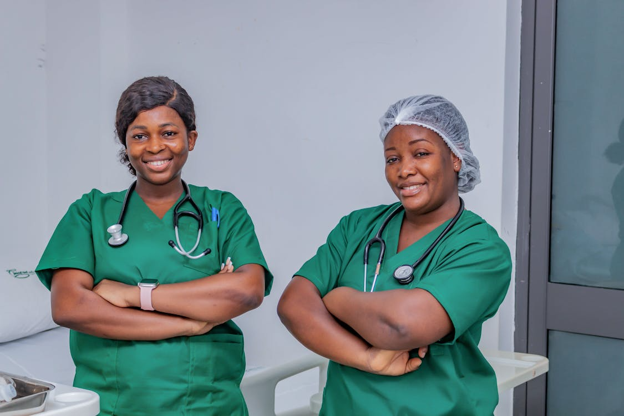
Have you noticed how healthcare conversations now sound a lot like weather reports? Staffing shortages, burnout, rising patient loads, and public health scares keep showing up in headlines from Denver to smaller communities across the country. Behind all that noise sits one important truth: better-trained nurses often mean better patient outcomes. Nursing education no longer revolves around memorizing textbooks in silent classrooms. It now shapes how hospitals respond to emergencies, how patients recover faster, and how communities handle growing health challenges with fewer resources and higher expectations.
Why Nurses Carry More Responsibility Than Ever
Modern healthcare depends heavily on nurses because they spend more time with patients than almost anyone else in a hospital. Doctors may diagnose conditions, but nurses often notice the first warning signs when something changes. During the pandemic, many Americans realized nurses were not simply following instructions while carrying clipboards and checking blood pressure. They became crisis managers, emotional support systems, and translators for families trying to understand medical chaos.
Hospitals today also face pressure from aging populations and chronic illnesses like diabetes and heart disease. Since patients now need longer and more complex care, healthcare systems rely on educated nurses who can make quick decisions, communicate clearly, and prevent avoidable mistakes before they turn into emergencies.
ADVERTISEMENT
ADVERTISEMENT
Education Shapes Confidence at the Bedside
Strong nursing education builds confidence that patients can actually feel during treatment. A nurse who understands clinical procedures deeply usually responds faster and communicates more calmly during stressful moments. That confidence matters when hospitals are crowded, and patients already feel anxious before someone even wheels in the giant machine with mysterious beeping sounds.
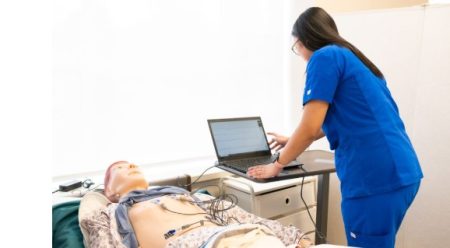
Many students entering nursing colleges in Denver are now training with simulation labs that recreate real hospital emergencies. Instead of only reading about cardiac arrest or trauma care, they practice handling situations that mirror real-life pressure. This type of hands-on learning improves decision-making skills and prepares graduates for the reality of modern healthcare, where every minute counts and technology changes faster than most people update their phones.
Communication Skills Save Lives
Healthcare mistakes often happen because of poor communication rather than a lack of medical knowledge. A missed detail during shift changes or unclear instructions can create dangerous situations for patients. Nursing education now spends far more time teaching communication strategies because hospitals understand that teamwork affects survival rates.
This shift has become especially important as healthcare grows more diverse across the United States. Nurses regularly care for patients from different cultural, economic, and language backgrounds. Training programs now include lessons on empathy, active listening, and cultural awareness because a patient who feels understood is more likely to follow treatment plans correctly. Ironically, in an era filled with advanced machines and digital records, simple human conversation still changes outcomes dramatically.
Technology Has Changed the Classroom
Nursing schools today look very different from the classrooms many older professionals remember. Students now train with virtual simulations, electronic health records, and AI-supported diagnostic tools that resemble systems used in real hospitals. Technology has pushed nursing education closer to actual healthcare environments instead of separating theory from practice.
This matters because healthcare technology keeps expanding while patient expectations rise alongside it. Patients now expect faster answers, smoother care, and fewer mistakes because technology promises convenience everywhere else in life. If someone can track a pizza delivery in real time, they naturally wonder why medical systems still struggle with communication delays. Nursing education helps bridge that gap by preparing students to use technology without losing the personal connection patients still need during vulnerable moments.
Better Training Reduces Burnout
Burnout has become one of healthcare’s biggest challenges, especially after years of pandemic stress and staffing shortages. Many nurses leave the profession because they feel overwhelmed, unsupported, or emotionally exhausted. Education alone cannot solve burnout, but stronger preparation helps nurses manage pressure more effectively once they enter demanding workplaces.
Programs now teach stress management, teamwork strategies, and realistic expectations about hospital life. Students learn how to prioritize tasks, respond during emergencies, and recognize signs of emotional fatigue before reaching a breaking point. This preparation creates healthier work environments because confident nurses tend to communicate better, collaborate more effectively, and make fewer costly errors under pressure.
Leadership Training Strengthens Entire Hospitals
Hospitals function more effectively when nurses take leadership roles instead of simply reacting to daily problems. Nursing education now includes leadership training because healthcare systems need professionals who can coordinate teams, improve workflows, and advocate for patient safety at higher levels.
This shift reflects broader workplace trends across the country. Employers increasingly value workers who combine technical expertise with communication and management skills. Nurses who understand leadership principles help reduce confusion during emergencies and improve coordination between departments. They also help younger staff members adjust more successfully, which strengthens retention rates in an industry struggling to keep experienced workers.
Communities Benefit From Strong Nursing Programs
The impact of nursing education extends far beyond hospitals because healthier communities depend on accessible and reliable healthcare systems. Regions with strong nursing programs often experience better public health outcomes because they produce professionals prepared to address local healthcare needs directly.
Cities investing in healthcare education also strengthen their economies by creating stable careers and attracting medical facilities. As demand for nurses continues growing across the United States, educational programs help communities prepare for future healthcare challenges instead of constantly reacting to shortages. The process may not sound glamorous, but reliable healthcare infrastructure often determines whether communities recover quickly during crises or struggle under pressure.
Healthcare debates often focus on insurance costs, political arguments, or flashy medical breakthroughs, yet nursing education quietly shapes many of the outcomes people care about most. Patients recover more safely when nurses communicate clearly, recognize problems early, and manage stress effectively during difficult situations. Strong education programs create professionals who improve not only hospitals but also public trust in healthcare itself. At a time when healthcare systems face rising pressure from aging populations, staffing shortages, and constant technological change, investing in nursing education looks less like an academic issue and more like a practical survival strategy for modern healthcare.
Share this article
Latest Posts



ADVERTISEMENT