
5 Ways to Prevent Setbacks During ACL Surgery Recovery for Dogs
- Updated on: Jun 10, 2026
- 4 min Read
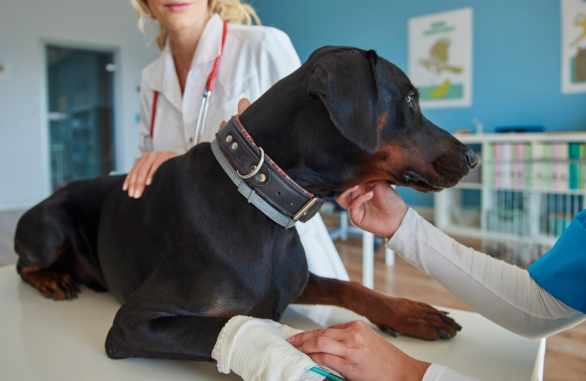
If your dog just had ACL surgery, you already know the hardest part isn’t the procedure itself — it’s everything that comes after. The weeks of restricted activity, the monitoring, the constant effort to keep an energetic pup calm and still. It’s a lot. And one wrong move — a jump off the couch, a burst toward a squirrel — can set everything back.
The good news is that most setbacks during recovery are preventable. With the right setup at home and a consistent routine, the majority of dogs go on to heal well and return to full activity. Here’s what to focus on.
ADVERTISEMENT
ADVERTISEMENT
1. Take Crate Rest Seriously
This is the one pet owners struggle with most, especially when their dog seems to “feel fine” just a few days after surgery. But feeling fine and being healed are very different things. The internal surgical site needs weeks of low-stress conditions to repair properly — and too much movement too soon is the primary cause of complications.
Understanding what a proper recovery schedule looks like is essential before surgery even happens. A detailed resource on ACL surgery for dogs recovery can help owners understand the week-by-week expectations and know when activity restrictions can safely loosen.
Platforms like MedcoVet outline clear protocols around rest and home support, which helps owners build a realistic plan rather than guessing as they go.
Crate rest tips that actually help:
- Use a crate large enough for your dog to stand and turn, but not roam
- Place the crate in a central room so your dog doesn’t feel isolated
- Keep feeding, water, and potty breaks on a consistent schedule
- Use puzzle feeders or calm enrichment inside the crate to reduce stress
2. Control the Home Environment
Even during bathroom breaks and short leash walks, the home environment poses real risks. Slippery hardwood floors, stairs, furniture that invites jumping — all of these can cause a dog to twist, slip, or overload the healing knee in a fraction of a second.
A few changes that make a significant difference:
- Place non-slip mats or yoga mats on hard floor surfaces throughout the house
- Block stairways with baby gates during the full restricted activity phase
- Use a ramp or steps if your dog normally gets onto furniture or into your car
- Keep other pets separated during rest periods to prevent unexpected rough play
These aren’t permanent changes — just a temporary setup for the 10 to 16 weeks it typically takes for a dog to progress through recovery milestones. Thinking of it as a temporary renovation makes it easier to commit to.
3. Stay on Top of Pain Management
Dogs are notoriously good at hiding discomfort. A dog that seems comfortable and calm may still be experiencing pain significant enough to alter the way they move — and compensating by favoring the opposite leg is one of the most common causes of a secondary injury during recovery.
Inadequate pain control not only causes unnecessary suffering but can also interfere with normal healing and rehabilitation progress.
Follow your vet’s medication schedule exactly, even if your dog seems to be doing well. Signs that pain management may need adjustment include:
- Reluctance to put weight on the leg
- Excessive licking or chewing at the surgical site
- Changes in appetite or sleep behavior
- Whimpering or flinching when the area is touched
If you notice any of these, contact your vet before the next scheduled appointment rather than waiting.
4. Follow the Rehab Timeline — Even When It Feels Too Slow
It’s tempting to let your dog do a little more once they start looking like themselves again. But ramping up activity before the surgical site is structurally ready is one of the most reliable ways to end up back at square one.
Most ACL recovery timelines involve several distinct phases — from strict rest in the first two weeks, to controlled leash walks, to gentle rehabilitation exercises, to a gradual return to normal activity. Each phase exists for a reason, and skipping ahead — even by a week — puts unnecessary stress on tissue that may not yet be strong enough to handle it.
Stick to the prescribed timeline, and document your dog’s progress. Short video clips during walks can be helpful to share with your vet at check-ins and give them a fuller picture of how your dog is actually moving.
5. Use Supportive Therapies to Aid Healing
Recovery doesn’t have to be purely passive. Supportive therapies like red light therapy (photobiomodulation) are increasingly used alongside veterinary care to reduce inflammation, manage pain, and promote tissue repair at the cellular level.
What makes this particularly useful during ACL recovery is the ability to provide consistent support between veterinary appointments and physical therapy sessions — which are often spaced a week or more apart. Daily home application helps keep inflammation in check and keeps the healing process moving forward.
When combined with the core elements of recovery — restricted activity, pain management, follow-up visits, and weight monitoring — these supportive tools can meaningfully shorten discomfort and help your dog return to normal life with fewer interruptions along the way.
A Final Note
ACL surgery recovery for dogs is a marathon, not a sprint. The setbacks that derail progress almost always come from pushing too fast, under-managing pain, or missing a hazard in the home environment. None of these are inevitable.
Prepare your home before surgery, understand the recovery phases, stay consistent with your vet’s instructions, and give your dog the time they need. That combination gives them the best possible shot at a full, lasting recovery.
Share this article



Latest Posts




ADVERTISEMENT