

How Can Cancer Survivors Rebuild Energy After Treatment?
- Updated on: Jul 28, 2026
- 3 min Read

Happy Kumari is a dedicated biotechnologist with a strong academic foundation, holding a Master’s in Biotechnology from Amity University, Noida, and a Master’s in Cancer Research and Precision Oncology from the University of Glasgow. Passionate about advancing healthcare through research, she brings expertise in cancer biology to her work. Previously, Happy contributed as a Patent Associate at Effectual Knowledge Services and also served as a Research Analyst with Maxinov Solutions Private Ltd. She is now contributing as a medical content writer for Diseasefix, where she communicates complex scientific topics with clarity. Her research interests focus on pioneering developments in cancer biology and precision oncology.
- Published on Jul 28, 2026
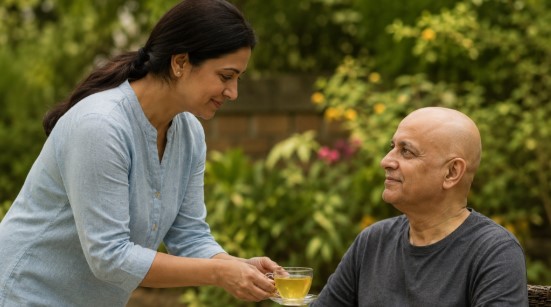
Finishing cancer treatment is a significant milestone, but many survivors discover that recovery does not end with their last appointment. Persistent fatigue, reduced stamina, and difficulty returning to everyday activities are common challenges. According to the American Cancer Society, cancer-related fatigue can continue for months or even years after treatment, making it one of the most reported concerns among survivors.
Rebuilding energy takes time and often involves a combination of healthy lifestyle choices, proper nutrition, physical activity, and ongoing medical support. Researchers continue to study how nutrients such as Coenzyme Q10 contribute to cellular energy production, with laboratory tools like q10 aaa helping scientists better understand its role in biomedical research.
ADVERTISEMENT
ADVERTISEMENT
While these studies improve scientific knowledge, survivors should always discuss supplements and recovery plans with their healthcare team before making any changes.
Why Do Many Cancer Survivors Feel Tired After Treatment?
Cancer-related fatigue differs from everyday tiredness. It may not improve after a good night’s sleep and can affect physical, mental, and emotional well-being.
Several factors contribute to ongoing fatigue, including:
- The body’s healing process after surgery, chemotherapy, or radiation
- Reduced muscle strength from limited physical activity
- Changes in appetite and nutritional intake
- Sleep disturbances or disrupted daily routines
- Emotional stress, anxiety, or depression
- Certain medications used during recovery
Understanding the cause of fatigue can help survivors and healthcare providers create an appropriate recovery plan.
How Can Good Nutrition Help Restore Energy?
Food provides the nutrients the body needs to repair tissues, maintain muscle, and support normal body functions during recovery.
Focus on building balanced meals that include:
- Lean proteins such as fish, poultry, beans, or eggs: Support muscle repair, strengthen the immune system, and provide steady energy during cancer recovery and healing.
- Whole grains for long-lasting energy: Supply complex carbohydrates and fiber that help maintain stable energy levels throughout the day.
- Fresh fruits and vegetables rich in vitamins and minerals: Deliver essential nutrients and antioxidants that support healing, immunity, and overall health after cancer treatment.
- Healthy fats from nuts, seeds, olive oil, and avocados: Provide heart-healthy fats that support brain function, reduce inflammation, and help absorb essential vitamins.
- Plenty of water to stay hydrated: Maintains hydration, supports digestion, regulates body temperature, and helps reduce fatigue during recovery from treatment.
Rather than eating three large meals, some survivors find that smaller, more frequent meals help maintain energy throughout the day.
Why Is Physical Activity Important During Recovery?
Although it may seem difficult, regular movement is one of the most effective ways to improve energy over time.
Simple activities can include:
- Walking around the neighborhood
- Gentle stretching
- Yoga designed for cancer survivors
- Light strength training with professional guidance
- Low-impact cycling or swimming
Start slowly and gradually increase activity based on your healthcare provider’s recommendations. Even short periods of movement can improve endurance and reduce fatigue.
How Does Quality Sleep Support Recovery?
Good sleep allows the body to repair itself and supports overall health.
Healthy sleep habits include:
- Going to bed and waking up at the same time each day
- Keeping the bedroom quiet, dark, and comfortable
- Limiting screen time before bedtime
- Avoiding caffeine late in the day
- Practicing relaxation techniques before sleeping
If sleep problems continue for several weeks, discuss them with your healthcare provider.
What Role Does Emotional Wellbeing Play in Energy Levels?
Recovery is not only physical. Emotional health can strongly influence how energetic someone feels each day.
Helpful strategies include:
- Talking with family and friends
- Joining a cancer survivor support group
- Practicing mindfulness or meditation
- Speaking with a mental health professional
- Setting realistic daily goals
Managing emotional stress often makes it easier to regain motivation and participate in healthy activities.
Should Cancer Survivors Consider Dietary Supplements?
Many survivors wonder whether vitamins or dietary supplements can improve energy.
Before taking any supplement:
- Speak with your oncologist or healthcare provider.
- Ask whether it could interact with medications.
- Use products only when recommended by qualified professionals.
- Avoid replacing nutritious meals with supplements.
Scientists continue to investigate nutrients involved in cellular energy production, but research findings do not automatically translate into clinical recommendations for every survivor.
How Can Survivors Build Healthy Daily Habits?
Recovery becomes more manageable when healthy habits are practiced consistently.
Consider these practical steps:
- Set small, achievable daily goals.
- Stay physically active within your comfort level.
- Eat balanced meals throughout the day.
- Drink enough fluids.
- Accept help from family and friends when needed.
- Schedule regular follow-up appointments.
- Celebrate small improvements instead of expecting immediate results.
Small changes practiced every day often lead to meaningful improvements over time.
When Should Survivors Talk to Their Healthcare Team?
Although fatigue is common, it should not be ignored if it becomes severe or suddenly worsens.
Seek medical advice if you experience:
- Fatigue that continues to increase
- Shortness of breath with minimal activity
- Unexplained weight loss
- Persistent pain
- Dizziness or fainting
- Difficulty completing everyday tasks
Healthcare providers can identify treatable causes and recommend therapies that support recovery.
Final Thought
Recovering after cancer treatment is a gradual journey that looks different for every survivor. Building energy requires patience, balanced nutrition, regular physical activity, quality sleep, and ongoing communication with healthcare providers. Small daily improvements often add up over time, helping survivors regain strength and confidence.
By focusing on healthy habits and following personalized medical guidance, cancer survivors can support their recovery and improve their overall quality of life while moving forward after treatment.
Share this article


Latest Posts



ADVERTISEMENT