

Hydration Tips That Go Beyond Drinking More Water
- Updated on: Jun 11, 2026
- 4 min Read

- Published on Jun 11, 2026
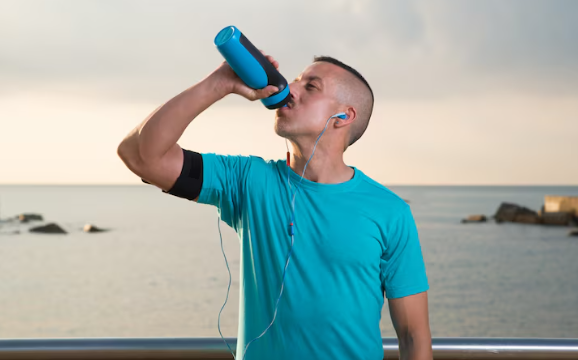
Drink more water is the most common hydration advice, and for a heavy sweater on a hot day it covers only part of the problem. Plain water replaces lost volume, but sweat also removes sodium and other minerals that water alone leaves behind, and past a point more plain water makes the imbalance worse. Staying hydrated has more to do with matching fluid and minerals to what the body loses than with the total poured into a glass.
What Plain Water Leaves Behind
Sweat carries more than water out of the body. Sodium leaves in the highest amount, along with potassium and magnesium in smaller measures. A person who sweats heavily for an hour can lose a gram or more of sodium, and replacing only the water dilutes what sodium remains. That is why a runner can drink steadily through a long, hot effort and still cramp, feel lightheaded, and finish worse off than at the start.
ADVERTISEMENT
ADVERTISEMENT
The mistake is treating hydration as one number. Two people on the same run can need very different things, because sweat rate and sweat saltiness vary widely from one body to the next. A light sweater on a cool day truly does well on water alone. A salty, heavy sweater in the heat does not, and no amount of plain water fixes the part of the problem that is mineral, not volume. Sodium also does something water cannot, because it helps the body hold the fluid that comes in. Without enough sodium, much of a steady intake goes straight to the bladder.
Starting Ahead of the Sweat
Hydration on a hard day is settled partly before it begins. A body that starts an effort already down a half-liter rarely catches up, because fluid taken during exercise absorbs more slowly than fluid taken at rest. Drinking a normal amount in the hours beforehand, then a modest top-up close to the start, leaves the body topped up at the start. Playing catch-up during the first mile rarely works.
The cue is plain. Pale urine and no strong thirst at the start line mean the tank is full. Dark urine an hour before means the day is already starting behind, and the first mile is no place to make up a deficit that took all morning to build.
Electrolyte Replacement Options
When sweat losses run high, the fix is to put the minerals back with the fluid. A pinch of salt in water, a sports drink, electrolyte tablets, or the best electrolyte powder a person can match to their own sweat all do the same job, which is returning sodium so the body holds onto the fluid. The right choice depends on how much and how salty someone sweats, something a simple weigh-in and a taste test can reveal.
Most people do not need any of this for an ordinary day. The rough threshold is an hour of hard, sweaty effort or heavy heat. Below it, food and ordinary drinking cover the losses. Above it, the mineral side of hydration starts to matter as much as the volume in the bottle.
The Minerals Sweat Carries Off
Two minerals matter most. Sodium and potassium move fluid in and out of cells and carry the electrical signals that fire muscles and steady the heartbeat. When a long sweat drains them and only water goes back in, those signals misfire, which shows up as the cramp at mile 20 or the wobble at the end of a hot match. A mineral drink proves better for athletes than plain water exactly when that threshold is crossed, and potassium-rich foods like a banana, an avocado, or a few dates help close the gap on the food side.
This is also why the timing of intake matters. Minerals taken alongside fluid through an effort hold the balance far better than a large dose swallowed at the end, by which point the cramp has usually already arrived.
When the Balance Tips
More water is not always better. Drinking far past what the body loses dilutes the blood, and the sodium balance the body works to hold can fall low enough to cause harm. The condition, hyponatremia, turns up most in endurance athletes who drink only water for hours, and its early signs of headache and nausea look a lot like dehydration, which tempts the sufferer to drink even more. A useful guardrail during long efforts is to keep intake under about a liter of fluid an hour, and to include sodium once the effort passes an hour.
Reading Your Own Hydration
The body gives a readable signal. The color of your urine tracks hydration closely: pale yellow means the balance is about right, dark amber points to a deficit, and near-colorless through a long stretch can mean a person is drinking past what they need. Thirst is the other guide, and for ordinary days it arrives in good time. Hard exercise can blunt it enough that a planned drinking schedule beats waiting for the urge, which is the opposite of the everyday advice to simply drink when thirsty.
How Much You Actually Need
There is no single number that fits everyone. How much a person should drink comes down to how much they actually need, which turns on body size, heat, exercise, and diet, and which is why the old eight-glasses rule misleads as often as it helps. Official baselines land near 2.7 liters a day for women and 3.7 for men from all sources combined, and roughly a fifth of that arrives in food rather than a glass. Fruits and vegetables with high water content, such as cucumber, melon, and citrus, quietly cover part of the daily need before a person pours anything.
What Hydration Actually Is
Hydration is the balance between the fluid and minerals a body loses and the fluid and minerals it takes back. Plain water handles the easy half on a quiet day. The harder half shows up during long heat and heavy sweat, when sodium leaves faster than water alone can account for, and when too much water can do as much harm as too little. On quiet days, thirst is guide enough. When the sweat runs hard, minerals go back with the fluid, and the body’s own signals beat any fixed number printed on a chart.
Share this article



Latest Posts




ADVERTISEMENT