

How Aging Affects Collagen Production and Skin Elasticity
- Updated on: Jul 1, 2026
- 4 min Read

Dr. Rafia Usman is a distinguished medical professional with a Bachelor of Medicine, Bachelor of Surgery (MBBS) degree, with a focus on infectious diseases and lifestyle-related conditions such as diabetes. With an experience in both hospital and clinical settings, Dr. Usman has dedicated her career to the diagnosis, treatment, and management of a wide range of infectious diseases and lifestyle disorders, emphasizing patient education and preventive care.
- Published on Jul 1, 2026
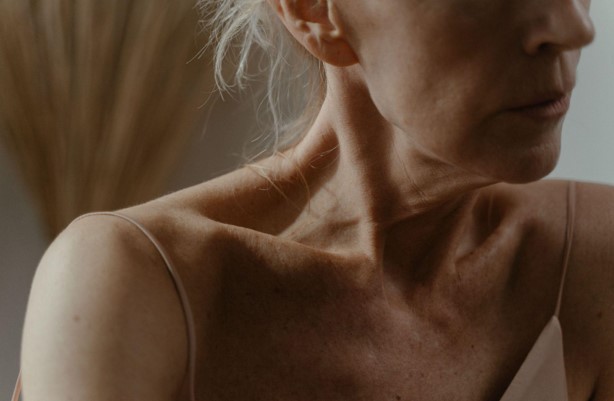
Have you ever wondered why your skin doesn’t seem as firm or smooth as it once did? Maybe you’ve noticed fine lines becoming more noticeable or your cheeks looking a little less full over time. These changes are a natural part of aging.
In places like Katy, TX, where sun exposure is common throughout the year, understanding what happens beneath the skin becomes even more important. Collagen and elasticity play a major role in keeping skin looking healthy and youthful, and both gradually decline with age.
ADVERTISEMENT
ADVERTISEMENT
Let’s take a closer look at why this happens and what it means for your skin.
Why Aging Skin Leads Some People to Consider Dermal Fillers
One of the most noticeable effects of aging is the gradual loss of facial volume. Areas that once appeared naturally lifted and full can begin to look flatter or less defined. Fine lines may become more visible, and deeper folds can develop around the mouth and cheeks.
These changes often lead people to explore cosmetic treatments that help restore volume and improve facial contours. If you want to get dermal fillers Katy, TX has plenty of experienced aesthetic providers to choose from. Dermal fillers are commonly used to add volume to areas such as the cheeks, lips, and under-eye region, helping create a refreshed appearance without surgery.
While dermal fillers can improve certain visible signs of aging, they do not stop the natural processes that cause those changes. To understand why skin loses volume and firmness over time, it’s important to first understand collagen and elasticity.
Understanding Collagen and Its Role in Healthy Skin
Collagen is the most abundant protein in the body and serves as one of the main structural components of the skin. It acts like a support system that helps keep skin firm, smooth, and strong.
When collagen levels are high, the skin tends to appear plump and youthful. It helps maintain skin thickness and supports the underlying structure that gives the face its shape. Collagen also works alongside other proteins and tissues to keep the skin healthy and resilient.
During childhood and early adulthood, the body produces collagen efficiently. However, this production naturally slows as we age, leading to gradual changes in the skin’s appearance.
What Happens to Collagen Production as You Age?
Most people begin losing collagen earlier than they realize. Starting in the mid-twenties, collagen production slowly begins to decline. Over the years, the body produces less collagen while existing collagen fibers become weaker.
As collagen levels decrease, the skin becomes thinner and less supported. Fine lines may start appearing around the eyes, forehead, and mouth. With continued collagen loss, those lines can deepen and become more noticeable.
The reduction in collagen also contributes to volume loss throughout the face. Areas such as the cheeks and temples may appear less full than they once did. This is one reason why facial aging often involves changes in both skin texture and facial shape.
Understanding Skin Elasticity
While collagen provides structure, elasticity gives the skin its ability to stretch and return to its original shape. This quality comes primarily from a protein called elastin.
When skin is healthy and elastic, it can recover quickly from facial expressions, movement, and everyday stress. Younger skin typically contains abundant elastin, allowing it to remain firm and flexible.
As we age, elastin production decreases just like collagen production. Existing elastin fibers also become weaker over time. As a result, the skin gradually loses its ability to bounce back.
This decline contributes to many common signs of aging, including sagging skin, wrinkles, and reduced firmness around the cheeks, jawline, and neck.
Common Signs of Reduced Skin Elasticity
Loss of skin elasticity can show up in several different ways. Some signs develop slowly, while others become more noticeable with age.
One common sign is sagging. Skin that once appeared firm may begin to droop around the jawline and lower face. Many people also notice a decrease in facial definition as elasticity declines.
Wrinkles become more prominent because the skin does not return to its original position as easily as it once did. The skin may also appear thinner and more fragile.
Another common change is dryness. Aging skin often struggles to retain moisture, which can make fine lines and texture irregularities more visible.
These changes are completely normal, but they can affect how people feel about their appearance and overall confidence.
Factors That Speed Up Collagen and Elasticity Loss
Although aging is the primary cause of collagen and elastin decline, several outside factors can make the process happen more quickly.
Sun Exposure
Ultraviolet radiation is one of the biggest causes of premature skin aging. Repeated sun exposure damages collagen fibers and weakens elastin, leading to wrinkles, discoloration, and loss of firmness.
Smoking
Smoking reduces blood flow to the skin and exposes tissues to harmful chemicals. This can accelerate collagen breakdown and contribute to earlier signs of aging.
Poor Nutrition
The body relies on nutrients to produce collagen and maintain healthy skin. Diets lacking vitamins, antioxidants, and protein may negatively impact skin health over time.
Chronic Stress
Long-term stress can contribute to inflammation throughout the body. Over time, this may affect skin quality and make signs of aging appear more noticeable. Staying physically active is one of the simplest ways to manage stress levels while also supporting the circulation that nourishes skin cells from within.
Aging affects everyone, but understanding the changes taking place beneath the surface can make the process feel less mysterious. As collagen production slows and skin elasticity declines, the skin naturally becomes less firm, less resilient, and more prone to wrinkles and volume loss. While these changes are inevitable, healthy lifestyle habits, proper skincare, and informed treatment choices can help support skin health for years to come. The goal isn’t to stop aging. It’s to care for your skin in a way that helps you feel confident and comfortable at every stage of life.
Share this article

Latest Posts



ADVERTISEMENT