

Browsing: Digestive Health

The page provides quick access to a list of common gastro-intestinal tract diseases, syndromes, health conditions, and other topics of health importance. The list is organized alphabetically. Links are provided to respective diseases sections that serve as a comprehensive and ultimate guide about the disease or health condition.
Some people experience certain gastrointestinal (GI) symptoms on a regular basis, such as heartburn, indigestion/dyspepsia, bloating and constipation. These symptoms may occur due to various digestive problems. Depending upon the condition, the gastrointestinal disease (GI disease) may be acute or chronic. The best way to prevent occurrence of any such disease is exercising on a regular basis and have a healthy diet.
Healthcare professionals indicate such prevalent occurrence of gastric diseases throughout the world, across all age groups. This is due to improper diet, obesity, gastroenteritis, inflammatory bowel disease, various gastric cancers and ulcers. Some doctors believe that digestive disorders occur due to malabsorption disorders and lack of gastric microbiome in an individual.
Gastrointestinal disorders include conditions such as constipation, irritable bowel syndrome, diverticular diseases, colitis, piles, gall stones and colon cancer, which are extremely common. These lead to inefficient digestion and absorption of nutrients in the body, causing severe effects in growth and development of an individual. Constipation and irritable bowel syndrome (IBS) are two most widespread gastric diseases.
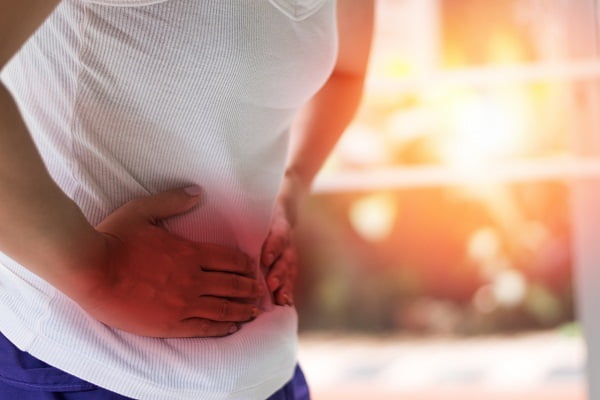
The most common symptom of diverticulitis is pain, which may be constant and persist for many days. Pain is felt in the lower left side of the abdomen, but may occur on the right side also. Other symptoms are nausea and vomiting, fever, and blood from rectum with stool.

Crohn’s disease is one of the inflammatory bowel diseases (IBD) in which one or more parts of a child’s intestinal tract become inflamed. The disease usually affects the lower part of the small intestine called ileum. Twenty percent of the cases of Crohn’s disease are of children.

The most common symptom of hemorrhoids is bleeding during bowel movements. Bleeding can however occur due to many other conditions as well. Your doctor will do a physical examination to rule out other serious possibilities. You may notice small amounts of bright red blood in your stool if you have hemorrhoids.

The gallbladder is a pear shaped hollow sac that sits right below the liver and stores and concentrates the bile produced by the liver. Because it only stores the bile produced by the liver and do not produce any digestive enzyme or chemical of its own, you can live without a gallbladder.
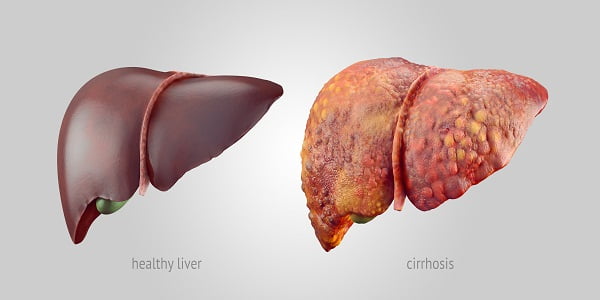
Liver and Liver Cirrhosis – What is liver cirrhosis? The liver is an important internal organ of the body. It…

Medical remedies for hemorrhoids may consist of a variety of piles medicines. These may include over the counter medicines for hemorrhoids (OTC medicines), Corticosteroids, and Laxatives. OTC medicines are available over-the-counter or online. These may include painkillers, ointments, creams, and pads etc. They help relieve pain and itching.

Living with Crohn’s disease could mean that the patient has a proper understanding of the disease, its symptoms, flare-ups, treatment plans, and many more things that can help to manage the disease in an efficient way. Here are some ways that can help a person to live better with Crohn’s disease.

Overview of hemorrhoids Hemorrhoids are vascular structures present in the anal canal. In normal condition, hemorrhoids work as cushions that…
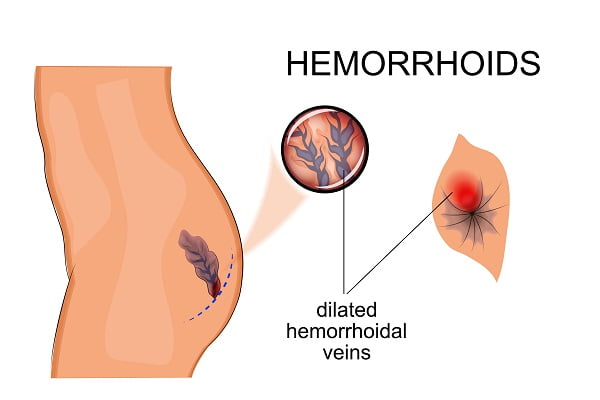
Opinions of scientists are divided on what exactly causes hemorrhoids. It is believed that hemorrhoids are associated with chronic constipation, straining of anal muscles during bowel movements, and prolonged sitting or standing. These conditions interfere with blood flow to and from the area, causing enlargement of the vessels.

Celiac disease is an autoimmune disorder that is caused by the reaction of an abnormal immune system to gluten. The immune system mistakes the substance that makes gluten as a threat to the body. The antibodies attack the inside layer of intestines and make it swollen and inflamed.
ADVERTISEMENT