

Time-Critical Pathways in Acute Stroke Recovery
- Updated on: Nov 19, 2026
- 3 min Read

Mohd is driven through passion for innovation in healthcare and medical research. He holds a degree in Mechanical Engineering and has spent about two decades in medical research particularly on medical / surgical implants and digital health. He is associated as a fractional IP and Innovation Officer for more than a dozen companies across the globe.
- Published on Nov 19, 2026
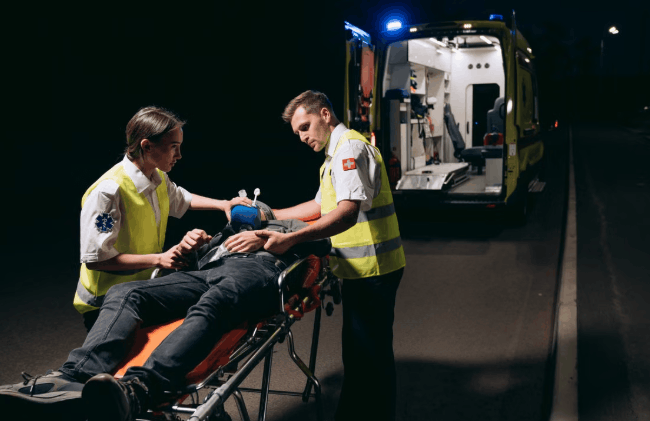
Acute stroke care depends on rapid recognition, clear communication, and uninterrupted clinical support from the first assessment through definitive treatment. Every handoff or transfer can affect how quickly a patient receives brain imaging, specialist evaluation, and time-sensitive therapy.
Hospitals can reduce avoidable delays by defining transfer criteria in advance, assigning clear responsibilities, and treating transportation as part of the clinical pathway.
ADVERTISEMENT
ADVERTISEMENT
Minutes Matter in Cerebrovascular Events
A stroke interrupts blood flow to brain tissue or causes bleeding within the brain. Both situations require immediate evaluation because symptoms alone cannot reliably identify the stroke type. The clinical team must establish when the patient was last known well, check blood glucose, assess neurologic deficits, and obtain urgent imaging.
The window for some treatments is measured in hours, but avoidable delays can consume much of that time. Current acute stroke management guidance emphasizes rapid imaging and assessment for intravenous therapy or an endovascular procedure when clinically appropriate. Staff should use a standard stroke scale, document medication history, and identify possible contraindications early. A patient arriving at 2:00 p.m. with symptoms first observed at 1:15 p.m. needs a precise timeline, not a general note stating that symptoms began “this afternoon.”
Coordinating Acute Interfacility Transfers
A community hospital may confirm a large vessel occlusion yet lack the specialist team needed for an advanced procedure. Once the receiving center accepts the patient, staff should send images, laboratory results, treatment details, and direct contact information without waiting for paper records to be assembled.
Transportation planning needs to begin while the clinical discussion is underway. Healthcare facilities evaluating healthcare partnership opportunities should examine available clinical transport levels, activation procedures, and communication expectations before an emergency occurs. The selected transport team should receive a concise report covering the neurologic assessment, airway status, vascular access, current infusions, and any changes since treatment began.
A single coordinator can prevent repeated calls and unclear ownership. That person confirms acceptance, transportation, record transmission, and the destination unit while the bedside team continues patient care.
Building Integrated Emergency Networks
Regional stroke networks connect emergency medical services, referring facilities, imaging teams, and specialist centers through shared procedures. Effective networks define where each patient should go based on symptoms, imaging findings, treatment capability, and anticipated transport time. They also establish a backup destination for periods when a center has no available capacity.
Research into in-hospital stroke pathways shows how coordination across departments shapes treatment progression. The same principle applies between facilities. Transfer agreements should specify who contacts the specialist, how images are shared, and what information must accompany the patient.
Teams can test the network through simulated cases. For example, a drill might follow a patient from emergency department arrival through imaging, acceptance, and departure. Reviewing timestamps reveals practical problems such as delayed image uploads, unclear contact lists, or duplicate approval steps. Quarterly review of door-to-imaging and decision-to-departure times gives leaders specific targets for improvement.
Safeguarding Hemodynamic Stability in Transit
Clinical urgency cannot come at the expense of physiologic stability. Blood pressure, oxygenation, glucose, and neurologic status require continued observation because deterioration may signal expanding injury, bleeding, or airway compromise. Treatment targets should come from the sending clinician and reflect the stroke type, therapies already given, and the receiving specialist’s recommendations.
Before departure, the team should confirm that intravenous lines are secure, infusions have enough volume for the expected trip, and essential equipment is functioning. A transport plan should also include escalation thresholds. New vomiting, reduced consciousness or a marked neurologic change should trigger immediate reassessment and communication with medical control and the receiving facility.
The final handoff should include trends, not only the latest readings. Reporting that systolic pressure increased over 20 minutes gives the receiving team more useful context than one isolated measurement. Documenting changes and interventions during transit preserves continuity as the patient moves to the next stage of care.
Reliable stroke pathways are built before the emergency call arrives. A current contact list, an agreed clinical handoff, and a measured activation process can protect treatment time when each minute carries neurological consequences and support stroke recovery.
Share this article



Latest Posts




ADVERTISEMENT