

How Acupuncture and TCM Support Fertility, IVF, and a Healthy Pregnancy Naturally
- Updated on: Oct 7, 2026
- 6 min Read
- Published on Oct 7, 2026
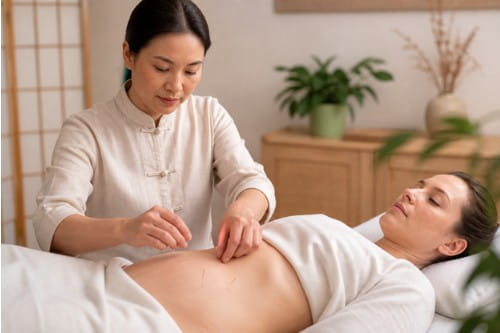
If you are trying to conceive, preparing for IVF, or already pregnant and wondering whether acupuncture might help, you are not alone. Surveys suggest that between one-quarter and one-half of women undergoing fertility treatment add acupuncture alongside their conventional care. Whether you have heard that acupuncture for fertility and IVF may ease the emotional weight of treatment, or you simply want to know what the evidence actually says, this guide aims to cut through the noise.
What follows is a plain-language explanation of how acupuncture and Traditional Chinese Medicine (TCM) view fertility and pregnancy, what current research suggests they may and may not help with, how treatment is typically timed around IVF cycles and pregnancy, and what to look for when choosing a practitioner in Perth. One point to make clearly from the start: acupuncture and TCM are considered here as complementary options only. They sit alongside investigations, IVF and obstetric care, not instead of them.
ADVERTISEMENT
ADVERTISEMENT
How acupuncture and TCM understand fertility and pregnancy
Acupuncture involves placing very thin, sterile needles at specific points on the body to influence how body systems function. In Western terms, research suggests that when needles stimulate these points, the body releases chemicals including endorphins and neurotransmitters that travel through the central nervous system and can affect pain signals, blood flow and organ function. The needles may also directly influence connective tissue at the insertion site.
TCM approaches fertility and pregnancy through a different lens, but a compatible one. Rather than focusing on a single diagnosis, a TCM practitioner looks at patterns across the whole person: the regularity of menstrual cycles, the quality of sleep, the state of digestion, energy levels and emotional wellbeing. The aim is to support overall balance so that the body is in a more favourable state to conceive and carry a pregnancy.
This is where TCM and Western medicine complement each other rather than compete. A doctor investigates structural and hormonal causes of infertility, such as blocked fallopian tubes, significant thyroid disease or endometriosis, and treats those directly. Acupuncture cannot fix a tubal blockage or reverse severe endocrine problems, so for those conditions medical investigations and treatment remain essential. What TCM can do is address patterns that sit alongside those diagnoses: a disrupted cycle, poor sleep, chronic stress or the side-effects of fertility medications, areas where the two approaches genuinely reinforce each other.
If herbal medicine or other TCM therapies are considered alongside acupuncture, they must always be prescribed individually by a qualified practitioner, especially when pregnancy is possible or confirmed. Herbs can interact with fertility medications and need to be fully coordinated with the treating doctor.
Before conception and during IVF: what acupuncture may help with
The research on acupuncture for fertility and IVF is honest in its limitations: some studies and reviews suggest potential benefits while others show little or no effect on pregnancy rates. It is best viewed as supportive care, not a guaranteed path to conception. That said, there are a number of areas where evidence and clinical experience give reasonable grounds for cautious optimism.
Acupuncture may support menstrual cycle regulation, help manage symptoms associated with conditions linked to infertility such as PCOS and endometriosis, and reduce the stress and anxiety that accompany fertility treatment. Research shows that needle stimulation prompts the release of endorphins, producing the deep relaxation that many patients describe after a session and helping some feel more in control during what can be an overwhelming process. Acupuncture has also been used to ease common side effects of fertility medications, including bloating, nausea, headaches and mood changes.
One of the more studied mechanisms is acupuncture’s potential effect on pelvic blood flow. Research suggests it can modulate the sympathetic nervous system, causing blood vessels to dilate and increasing the delivery of nutrient-rich blood to the uterus and ovaries. Increased ovarian blood flow may support the response to fertility medications; increased uterine blood flow contributes to a thicker uterine lining. These are possible mechanisms, not promises of improved egg quality or implantation rates.
In practical terms, many practitioners recommend starting acupuncture three to four months before an IVF cycle if possible, as this allows time for the body to respond. During the cycle itself, sessions are commonly scheduled during the down-regulation or stimulation phase to support sleep and stress management, and are often timed around egg collection and embryo transfer to assist with relaxation and comfort. There is no single proven protocol; frequency is individual and should be agreed with the treating acupuncturist in consultation with the fertility specialist.
Acupuncture cannot open blocked fallopian tubes, correct severe sperm problems, or reverse age-related decline in egg quality. Its realistic role is to support wellbeing, possibly influence modifiable factors such as stress and blood flow, and help some women feel steadier throughout IVF.
Acupuncture and TCM support in early and later pregnancy
Many women continue acupuncture once pregnant, using it as a drug-free option for symptoms that are common but often difficult to manage. Nausea, low back and pelvic pain, headaches, sleep disturbance and stress are among the most frequently reported reasons for seeking acupuncture in pregnancy. Studies published in the British Medical Journal found that acupuncture significantly relieved lower back and pelvic pain during pregnancy, improved quality of life for pregnant participants, and showed no observable negative effect on their babies. Researchers suggest the benefits may come through endorphin release and improved blood flow to affected areas.
Treatment is adapted carefully in pregnancy. Qualified practitioners avoid certain points and regions, particularly the lower abdomen, and modify techniques according to the stage of pregnancy and any complications present. A good practitioner will always ask about current obstetric care before deciding whether and how to proceed.
It is equally important to be clear about what pregnancy acupuncture is for: supporting comfort, easing persistent symptoms and helping women cope with the physical and emotional demands of pregnancy. It is not a treatment for serious pregnancy complications and it does not prevent miscarriage or guarantee a healthy outcome.
Some symptoms during pregnancy always need urgent medical review, not acupuncture. These include heavy vaginal bleeding, severe or one-sided abdominal pain, sudden swelling of the face or hands, severe headache or visual disturbances, reduced or absent baby movements in later pregnancy, and any sign of infection. If any of these occur, seek medical care immediately. Acupuncture can be considered as an adjunct for persistent, non-urgent symptoms after discussion with the GP, obstetrician or midwife, and it is important to tell your medical team that you are having acupuncture and to disclose any herbs you are taking.
Some women find acupuncture useful into the postpartum period for recovery, mood support and musculoskeletal pain. Again, this sits alongside, not instead of, medical and midwifery care.
Knowing the limits: where acupuncture and TCM fit in your fertility plan
Acupuncture and TCM cannot guarantee conception, correct all causes of infertility, replace diagnostic investigations such as hormone tests or imaging, or substitute for treatments like IVF, ovulation induction or surgery when these are medically indicated. This is not a criticism of the therapies; it is simply an accurate description of their role.
Some fertility problems require medical diagnosis and management before anything else. Blocked fallopian tubes, significant uterine abnormalities, severe male-factor infertility and recurrent pregnancy loss all need thorough investigation and, in most cases, specific medical or surgical treatment. Acupuncture may support comfort and emotional resilience around these situations, but it does not address their root causes.
The safest and most effective approach is integrative: ongoing care with a GP, fertility specialist and obstetric provider, with acupuncture and TCM used to support wellbeing and symptom management alongside that care. This means being open with all your health providers about every therapy you are using, including any herbal preparations, because herbs can interact with fertility and pregnancy medications and your medical team needs the full picture to advise you well.
Day-to-day self-care also matters. Prioritising sleep, eating a balanced diet, keeping active with gentle movement and finding consistent ways to manage stress all contribute to reproductive health. None of these replace personalised advice from your health professionals, but they are things you can do alongside any treatment programme.
Choosing a Perth fertility acupuncturist and what to expect at Catching Young
Choosing the right practitioner matters as much as choosing the therapy. In Perth, look for an acupuncturist who holds appropriate qualifications and registration, has specific experience with fertility, IVF and pregnancy care, uses sterile single-use needles, and communicates clearly about both the realistic benefits and the limits of treatment. Perhaps most importantly, they should be willing and able to liaise with your GP, fertility specialist or obstetrician so that everyone involved in your care is working from the same information.
Useful questions to ask before booking include: how do you time treatments around an IVF cycle? What experience do you have with pregnancy care? How do you respond if a patient develops symptoms that need urgent medical review? And how do you work alongside medical teams rather than in opposition to them? The answers will tell you a great deal about whether the practitioner’s approach is genuinely collaborative.
At Catching Young in Perth, an initial consultation typically covers a detailed history of menstrual cycles, fertility test results, IVF plans, general health, sleep quality, stress levels and digestion, drawing on both TCM assessment and an understanding of Western medical context. From there, an individual plan is developed, covering acupuncture frequency and any other supportive therapies that may be appropriate.
Treatment is shaped to the specific stage of the fertility journey. Someone preparing for an IVF cycle might have more frequent sessions during stimulation or in the days around embryo transfer to support relaxation and comfort. A woman in early pregnancy would have her treatment adapted carefully, with points selected in full awareness of her stage of pregnancy and in communication with her obstetric team. Acupuncture for fertility and IVF support at Catching Young aims to be practised in an evidence-informed, collaborative way: respecting medical advice, encouraging ongoing GP and specialist follow-up, and being open to sharing treatment summaries, with the patient’s consent, so that the wider care team understands the supportive role acupuncture is playing.
If you are in Perth and considering whether acupuncture might complement your fertility, IVF or pregnancy care, the practical next step is straightforward. Keep your medical appointments, continue your investigations and treatments as advised by your specialist, and if you would like to explore integrative support alongside that care, contact Catching Young to discuss whether their approach feels right for where you are in your journey.
Share this article


Latest Posts




ADVERTISEMENT