

Common Injuries That Can Be Treated at an Urgent Care Clinic
- Updated on: Aug 24, 2026
- 4 min Read
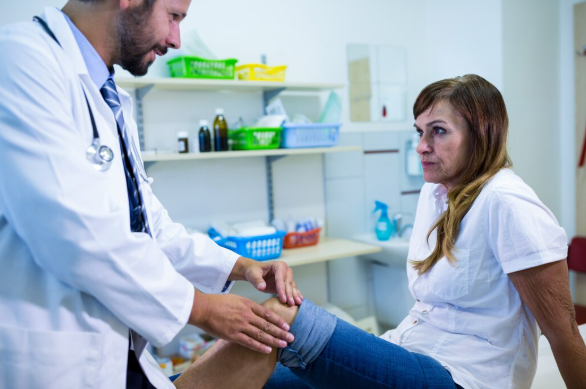
Accidents and minor injuries can happen at any time, whether you’re at work, playing sport, or simply going about your daily routine. While some injuries require emergency medical attention, many can be safely assessed and treated at an urgent care clinic, helping you receive timely treatment without attending a busy hospital emergency department.
Understanding which injuries are suitable for urgent care can help you access the right medical service while ensuring emergency departments remain available for patients with life-threatening conditions.
ADVERTISEMENT
ADVERTISEMENT
What Is an Urgent Care Clinic?
An urgent care clinic provides same-day medical assessment and treatment for illnesses and injuries that require prompt attention but are not life-threatening. These clinics are designed to bridge the gap between your regular GP and a hospital emergency department.
Patients can often receive diagnosis, treatment, wound management, referrals for imaging, prescriptions where clinically appropriate, and follow-up advice during a single visit.
Common Injuries Treated at an Urgent Care Clinic
Many everyday injuries can be managed safely by experienced GPs working in an urgent care setting.
Cuts and Lacerations
Cuts caused by kitchen accidents, falls, tools, or broken glass may require medical assessment, particularly if they are deep, continue bleeding, or may need closure.
Depending on the nature of the wound, treatment may include:
- Cleaning and dressing the wound
- Closure using stitches, adhesive strips, or skin glue where clinically appropriate
- Infection prevention advice
- Follow-up wound care
Prompt treatment may also help reduce the risk of complications and support proper healing.
Sprains and Strains
Sprains and muscle strains are among the most common injuries seen in primary healthcare.
They often occur after:
- Sporting activities
- Falls
- Twisting injuries
- Heavy lifting
- Sudden awkward movements
Your doctor may assess the injury, recommend appropriate pain management, advise on rest and rehabilitation, and determine whether imaging is required to exclude a fracture.
Suspected Minor Fractures
Not every broken bone requires immediate hospital emergency care.
Many stable or suspected minor fractures can initially be assessed in an urgent care clinic. After a clinical examination, your doctor may recommend X-rays if appropriate and arrange referral for further management if needed.
Examples include suspected fractures involving:
- Fingers
- Toes
- Wrist
- Forearm
- Foot
Some fractures require specialist orthopaedic care, while others can be managed conservatively under medical supervision.
Minor Burns
Small burns caused by hot liquids, cooking, steam, or contact with hot surfaces often benefit from prompt medical assessment.
Treatment may include:
- Burn assessment
- Appropriate dressings
- Pain management advice
- Monitoring for infection
- Follow-up wound care instructions
However, large burns, electrical burns, chemical burns or burns involving the face, airway, or major joints require emergency assessment.
Sports Injuries
Whether you’re a weekend athlete or regularly exercise, sports injuries can happen unexpectedly.
An urgent care doctor can assess injuries such as:
- Ligament injuries
- Muscle tears
- Joint injuries
- Minor dislocations after appropriate reduction, where clinically suitable
- Soft tissue injuries
- Impact injuries
Early assessment helps determine whether further imaging or specialist referral is required.
Minor Head Injuries
A mild bump to the head may not always require emergency department treatment.
An urgent care GP can assess patients who have experienced a minor head injury and determine whether observation, home care advice, or hospital referral is appropriate.
However, patients should seek emergency medical care immediately if a head injury is associated with:
- Loss of consciousness
- Persistent vomiting
- Severe headache
- Confusion
- Seizures
- Weakness or numbness
- Significant bleeding
Animal Bites and Minor Wounds
Animal bites and puncture wounds carry a risk of infection and should be assessed promptly.
Treatment may include:
- Thorough wound cleaning
- Dressing the wound
- Assessment for infection risk
- Tetanus vaccination advice where appropriate
- Antibiotics, if clinically indicated
Some severe bites or wounds involving significant tissue damage may require hospital management.
Workplace Injuries
Many non-life-threatening workplace injuries can be assessed at an urgent care clinic.
Examples include:
- Minor cuts
- Sprains
- Back strains
- Hand injuries
- Eye irritation from foreign bodies (where appropriate)
- Minor crush injuries
Early medical assessment also helps guide return-to-work recommendations and ongoing management where required.
When Should You Go to an Emergency Department Instead?
While urgent care clinics manage many injuries, some situations require immediate emergency treatment.
Call 000 or attend your nearest emergency department if you experience:
- Heavy or uncontrolled bleeding
- Severe burns
- Major fractures with visible deformity
- Suspected spinal injuries
- Serious head injuries
- Chest injuries are causing breathing difficulty
- Amputations
- Deep penetrating wounds
- Severe eye injuries
- Major trauma following a motor vehicle accident
These conditions require emergency assessment and treatment without delay.
Benefits of Choosing an Urgent Care Clinic
For appropriate injuries, urgent care clinics offer several advantages.
Faster Access to Medical Care
Patients with non-life-threatening injuries can often receive assessment sooner than waiting in an emergency department, where life-threatening cases are prioritised.
Comprehensive Assessment
Urgent care doctors can assess the injury, recommend treatment, prescribe medication where appropriate, arrange imaging or pathology if clinically required, and provide referrals when necessary.
Continuity of Care
Many urgent care services communicate with your regular GP, helping ensure your ongoing healthcare remains coordinated after your visit.
Convenient Same-Day Treatment
Receiving prompt treatment may help relieve pain sooner, reduce the risk of complications, and support recovery.
When to Visit an Urgent Care Clinic
If you’ve sustained an injury that needs medical attention today but is not immediately life-threatening, an urgent care clinic may be the right choice.
Patients looking for urgent care in Perth can access experienced GPs who provide assessment and treatment for a wide range of minor injuries, helping avoid unnecessary emergency department visits while ensuring appropriate medical care. If you have an injury that needs medical attention today but is not life-threatening, an urgent care clinic may be an appropriate option. A clinician can assess the injury, provide treatment, and determine whether further imaging or specialist care is needed.
Prompt Care for Everyday Injuries
Many common injuries can be safely assessed and treated in an urgent care clinic, allowing patients to receive timely medical attention without attending a hospital emergency department.
GP After Hours Subiaco provides same-day care for a range of non-life-threatening injuries, including cuts, sprains, minor fractures, burns, and workplace injuries. Located within St John of God Subiaco Hospital, the clinic offers experienced Australian-trained, vocationally registered GPs, access to on-site imaging and pathology where clinically appropriate, and online bookings for convenient care.
Important: This article provides general health information only and is not a substitute for personalised medical advice. If you experience severe symptoms, major trauma, or believe your condition is a medical emergency, call 000 immediately or attend your nearest emergency department.
Share this article


Latest Posts




ADVERTISEMENT