


What to Know Before Getting Any Cosmetic Eye Procedure
- Updated on: Oct 6, 2026
- 3 min Read
- Published on Oct 6, 2026
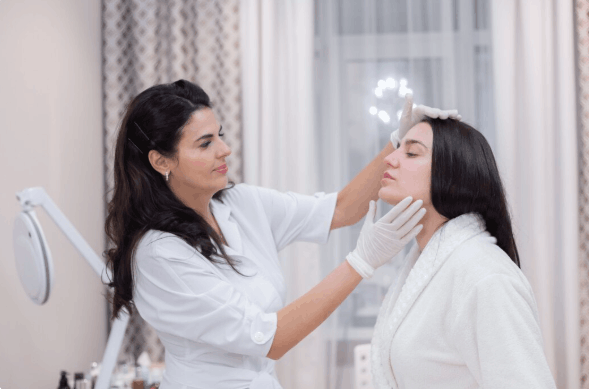
The eyes are usually the first thing people notice about a face – and often the first place aging shows up. So it’s no surprise that eye procedures are some of the most requested cosmetic treatments out there. If you’ve been catching your reflection and wondering why you look tired even after a full night’s sleep, you’re in very good company.
In fact, eyelid surgery held steady as one of the five most common cosmetic surgical procedures in the United States, with more than 120,000 performed in 2024 according to the American Society of Plastic Surgeons – the group’s most recent annual figures. Before you join them, though, here’s what’s worth understanding, whether you’re leaning toward surgery or something lighter.
ADVERTISEMENT
ADVERTISEMENT
The Eye Area Ages Faster Than the Rest of Your Face
The skin around your eyes is some of the thinnest on your whole body, and it moves constantly – every blink, smile, and squint. That combination means it tends to show fine lines, puffiness, and sagging earlier than your cheeks or forehead do. Genetics, sun exposure, and even how you sleep all play a part, which is why two people the same age can look completely different around the eyes.
It also means this area is delicate to work on, which is exactly why the eyes are treated as their own specialty rather than a side note to a general facial treatment. Understanding this helps set realistic expectations before you even book a consultation.
Surgical and Non-Surgical Are Two Different Decisions
“Cosmetic eye procedure” covers a wide range. On the lighter end, there are injectables and lasers that soften fine lines or brighten the under-eye area, usually with little to no downtime. On the other end is blepharoplasty – eyelid surgery – which removes or repositions excess skin and fat for a longer-lasting change.
Neither is automatically the right answer. A little puffiness might respond beautifully to a non-surgical option, while heavy, drooping upper lids that affect your vision usually call for surgery. The key is matching the treatment to the actual problem, not to whatever happens to be trending.
A Good Consultation Feels Like a Conversation
This is where a lot of the decisions really get made. A thorough consultation should cover your goals, your medical history, and an honest assessment of what’s realistic for your face specifically. You should leave understanding your options – not feeling pushed toward the most expensive one.
Practices that specialize in the face, such as eyelid surgery in Melbourne, will typically walk you through both surgical and non-surgical routes so you can weigh them side by side. If a provider only offers you one path without explaining why, that’s worth a second thought.
Recovery Is Shorter Than You Expect, but Still Real
People are often surprised by how manageable eyelid surgery recovery is. Most patients are back to their everyday routine within a week or so, with any bruising and swelling fading over the following couple of weeks. That said, “manageable” isn’t the same as “nothing.”
You’ll want to plan a few quiet days, skip strenuous exercise for a while, and hold off on eye makeup until things have healed. Knowing this in advance lets you schedule around a slow week rather than scrambling to reshuffle plans afterward.
Choose the Surgeon, Not Just the Procedure
With any work this close to your eyes, experience matters more than almost anything else. Look for board certification, a focus on facial procedures specifically, and a gallery of real before-and-after results you can actually look through. It’s completely reasonable to ask who will be performing your procedure and how often they do it.
A specialist-led team like Clevens Face and Body Specialists, for example, concentrates on the face rather than spreading across every treatment under the sun – and that kind of focus tends to show in the results.
The Bottom Line
A cosmetic eye procedure can be genuinely life-changing in how refreshed and rested you look – but only when it’s the right procedure, done by the right hands, for the right reasons. Take your time, ask plenty of questions, and don’t be shy about booking more than one consultation before you commit.
Bring photos of yourself from a few years ago if it helps, since the goal is usually to look like a well-rested version of you rather than someone else entirely. It’s also worth discussing your expectations openly with your surgeon so you have a clear understanding of what the procedure can realistically achieve. The most rewarding results tend to come from patients who did their homework first, and your future self will be glad you slowed down to get it right.
Share this article



Latest Posts




ADVERTISEMENT