


How Nurses Can Upskill for Family-Centered Care
- Updated on: Jul 7, 2026
- 4 min Read

Amina Ahmad is a bio-technologist and aims to deliver a positive contribution in healthcare industry by spreading health awareness in general public. She completed Masters in Technology (Biotechnology) from IMS Engineering College (AKTU). Then, she moved to Jamia Millia Islamia, a technological University in New Delhi, where she worked in the Research Division of Life Sciences Department as a researcher. She was also associated with Advancells, a stem cell company, as a Research Associate and laboratory expert in the past.
- Published on Jul 7, 2026
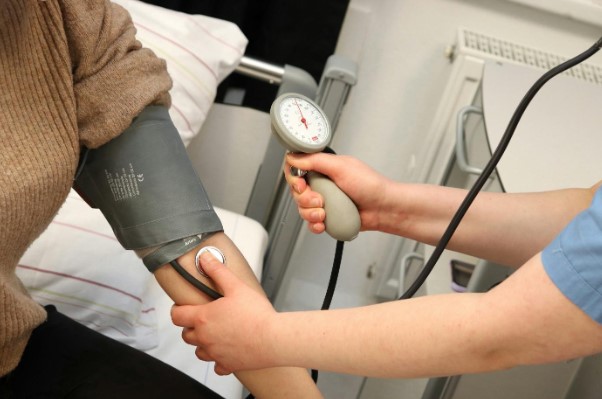
Family-centered care has become an essential part of modern healthcare because it recognizes the important role families play in a patient’s well-being. Patients rarely navigate health challenges alone. Family members often provide emotional support, assist with daily care, and help manage treatment plans. Nurses are at the center of these interactions, making them key contributors to a care model that values collaboration between healthcare providers, patients, and families.
Healthcare environments continue to evolve, bringing new expectations for communication, coordination, and patient engagement. Nurses who want to deliver meaningful support must develop skills that extend beyond clinical expertise.
ADVERTISEMENT
ADVERTISEMENT
Understanding the Core Principles of Family-Centered Care
Family-centered care is built on a foundation of respect, partnership, and open communication. Rather than viewing family members as passive observers, this approach recognizes them as valuable participants in the care process. Nurses who understand these principles can create an environment where patients and families feel heard, informed, and respected.
Respect for individual preferences is one of the most important aspects of family-centered care. Every family brings unique experiences, values, and expectations to healthcare interactions. Nurses must acknowledge these differences and adapt their approach accordingly. Meaningful engagement begins when families feel their perspectives are valued.
Pursuing Advanced Education and Specialized Training
Continuous learning allows nurses to strengthen their ability to support patients and families in complex healthcare situations. Educational opportunities expose nurses to new clinical knowledge, communication strategies, and patient-centered approaches that enhance everyday practice.
Professional development can take many forms, including certification programs, workshops, continuing education courses, and graduate-level degrees. These learning pathways help nurses stay current with evolving standards of care while expanding their professional capabilities. Advanced nursing programs are particularly valuable for professionals who want to take on broader responsibilities within family-focused healthcare settings. Those interested in expanding their scope of practice can learn more about family nurse practitioner qualifications and the responsibilities associated with delivering comprehensive primary care. This pathway provides deeper insight into preventive care, chronic disease management, and patient education.
Strengthening Communication Skills With Patients and Families
Effective communication is one of the most valuable skills nurses can develop to support family-centered care. Families often look to nurses for information, reassurance, and guidance during stressful situations. Clear communication reduces uncertainty and helps create a more supportive care experience.
Active listening is a key component of meaningful communication. Family members want to feel that their concerns are acknowledged and understood. Careful attention to questions, observations, and emotional responses allows nurses to address issues more effectively and build stronger connections.
Building Cultural Competence in Everyday Practice
Families approach healthcare with different beliefs, traditions, and expectations. Cultural competence helps nurses recognize these differences and provide care that respects each family’s unique perspective.
Awareness serves as the foundation of culturally competent care. Nurses benefit from learning about cultural influences that may affect communication styles, caregiving preferences, and healthcare decisions. Greater understanding promotes more positive interactions and reduces the risk of misunderstandings.
Developing Skills in Shared Decision-Making
Shared decision-making allows patients, families, and healthcare professionals to work together when evaluating care options. This approach recognizes that medical expertise and personal preferences both play an important role in healthcare decisions.
Nurses are often in a unique position to facilitate these conversations. Frequent interactions with patients and families give nurses opportunities to clarify information, answer questions, and encourage meaningful participation. Families are more likely to engage in decision-making when they understand the available options and their potential outcomes.
Using Evidence-Based Practice to Improve Family Outcomes
Family-centered care is most effective when it is supported by current research and proven clinical practices. Evidence-based practice helps nurses make informed decisions that improve patient experiences while addressing the needs of family members. It combines the best available research with clinical expertise and patient preferences to guide care delivery.
Healthcare continues to evolve, and new findings regularly shape recommendations for patient and family support. Nurses who stay informed about emerging research are better equipped to identify strategies that improve communication, strengthen family engagement, and enhance overall care quality. Continuing education courses, professional journals, and nursing conferences can provide valuable opportunities to stay current.
Collaborating More Effectively With Interdisciplinary Teams
Family-centered care depends on strong collaboration among healthcare professionals. Patients and families often interact with physicians, nurses, therapists, social workers, pharmacists, and other specialists throughout the course of treatment. Effective teamwork helps ensure that everyone is working toward the same goals.
Nurses play a critical role in coordinating communication between families and the broader healthcare team. Their frequent contact with patients gives them valuable insight into concerns, preferences, and changing needs. Sharing this information with colleagues helps create a more complete understanding of the patient’s situation.
Leveraging Technology to Support Family Engagement
Technology has transformed the way healthcare providers communicate with patients and families. Digital tools now make it easier to share information, coordinate care, and keep families involved throughout the treatment process. Nurses who understand how to use these resources effectively can strengthen family engagement and improve access to important information.
Patient portals are one example of technology that supports family-centered care. These platforms allow patients and authorized family members to access health records, review test results, and communicate with healthcare providers. Easy access to information helps families stay informed and participate more confidently in care discussions.
Upskilling for family-centered care requires more than clinical expertise. Nurses must continually develop skills that strengthen communication, cultural awareness, collaboration, and patient engagement. A deeper understanding of family-centered principles creates a strong foundation for meaningful interactions with patients and their support networks.
Professional education and specialized training can expand a nurse’s ability to address complex family needs. Strong communication skills help build trust, while cultural competence supports respectful and inclusive care. Shared decision-making encourages meaningful participation, and evidence-based practice ensures that care strategies are grounded in proven approaches. Collaboration with interdisciplinary teams and the effective use of technology further enhance the quality of family-centered care. These skills allow nurses to create stronger partnerships with families and contribute to more coordinated healthcare experiences.
Share this article

Latest Posts



ADVERTISEMENT