


6 Benefits of Using Portable Water Samplers for Reliable Field Monitoring
- Updated on: Oct 16, 2026
- 5 min Read
- Published on Oct 16, 2026
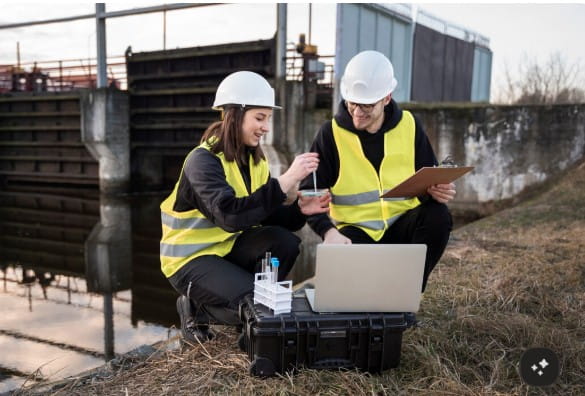
Clean water is the foundation of public health, and Americans take that responsibility seriously. From the Great Lakes to the Gulf Coast, thousands of municipalities, environmental agencies, and research teams test water quality every single day. Yet collecting a truly representative sample in the field is far more complicated than dipping a bottle into a stream. Contamination, inconsistent timing, and human error can all distort results. That is why Portable water samplers have become essential tools for professionals who need dependable data. These compact, rugged devices allow technicians to collect accurate samples almost anywhere, from remote wetlands to busy urban storm drains. Below are six compelling reasons why portable samplers are transforming field monitoring across the United States.
-
Superior Accuracy in Every Sample
The single greatest advantage of portable sampling equipment is accuracy. When a technician collects water by hand, the sample can be compromised by dirty gloves, improper rinsing, or simple timing mistakes. A portable sampler, by contrast, follows a programmed protocol that eliminates much of that variability.
ADVERTISEMENT
ADVERTISEMENT
Modern units allow users to set precise volumes, purge lines before collection, and maintain consistent flow rates. This level of control matters enormously when testing for trace contaminants such as lead, PFAS, or agricultural runoff. In the United States, where the Environmental Protection Agency enforces strict limits on dozens of waterborne substances, even a small sampling error can trigger unnecessary investigations or, worse, allow a real problem to go undetected. Reliable equipment protects both public health and the credibility of the organizations doing the testing.
-
Time and Cost Savings for Field Teams
Field monitoring is expensive. Sending crews to remote sites, sometimes hours from the nearest laboratory, consumes fuel, labor, and time. Portable samplers reduce those costs in several practical ways.
First, automated collection means a single technician can manage multiple sampling points in one trip. Second, programmable intervals allow sampling during off-hours, such as overnight or during rain events, without requiring staff to be physically present. Third, because the equipment collects consistent, defensible samples, laboratories are less likely to reject them, which avoids costly repeat visits. For cash-strapped municipal utilities and university research programs, these savings add up quickly over a monitoring season.
-
Versatility Across Diverse Water Environments
The United States offers an extraordinary range of water monitoring challenges. A sampler used in the arid Southwest may need to handle sediment-heavy irrigation canals, while a unit deployed in New England might face freezing temperatures and fast-moving rivers. Portable samplers are engineered to handle this diversity.
Most models offer interchangeable tubing, adjustable intake heights, and rugged housings that resist impact and corrosion. Many can be powered by rechargeable batteries or even solar panels, making them suitable for remote locations far from electrical outlets. This flexibility means one device can serve multiple purposes: monitoring stormwater runoff in Chicago, tracking nutrient levels in the Chesapeake Bay watershed, or supporting compliance testing at a rural wastewater treatment plant. Instead of purchasing specialized equipment for each scenario, agencies can standardize on portable units that adapt to nearly any condition.
-
Improved Safety for Field Personnel
Water sampling can be surprisingly hazardous. Technicians often work near steep embankments, flooded roads, or industrial discharge points. Manually collecting samples in these environments exposes workers to slips, falls, and contact with contaminated water.
Portable samplers minimize that risk by allowing personnel to collect samples from a safe distance. Operators can lower intake lines from a bridge, shoreline, or vehicle without ever entering the water. Automated programming also reduces the need for nighttime or storm-condition site visits, which are among the most dangerous assignments in the field. For employers, this translates into fewer workplace injuries and lower liability, a priority that resonates strongly in a country where occupational safety regulations are rigorously enforced.
-
Better Data Consistency and Regulatory Compliance
Regulatory agencies in the United States demand documentation. Whether a facility is subject to the Clean Water Act, state-level stormwater permits, or local health codes, the burden of proof falls on accurate, repeatable sampling. Portable samplers help meet that burden in several ways.
- Standardized protocols: Programmable settings ensure every sample follows the same procedure, regardless of which technician is on duty.
- Time-stamped records: Many units log collection times, volumes, and error codes, creating an audit trail that satisfies inspectors.
- Reduced human error: Automated purging and rinsing eliminate common mistakes that can invalidate a sample.
- Chain-of-custody support: Some models integrate with digital documentation systems, streamlining the paperwork that accompanies each sample to the lab.
This consistency is invaluable during compliance audits. When a regulator asks how a sample was collected, a well-documented automated process provides a far stronger answer than a handwritten field note.
-
Enhanced Environmental Protection
Ultimately, the purpose of water monitoring is to protect ecosystems and the communities that depend on them. Portable samplers contribute to that mission by enabling more frequent, more widespread testing.
Consider the problem of harmful algal blooms, which have affected lakes across the Midwest and coastal waters in Florida. Detecting the early signs of a bloom requires regular sampling at multiple locations, often on short notice. Portable samplers make that rapid response possible. Similarly, during industrial spills or combined sewer overflows, automated equipment can capture time-sensitive samples that reveal exactly when contamination peaked. That data supports faster cleanup, better public warnings, and stronger enforcement against polluters. In a nation blessed with abundant waterways, this kind of vigilant monitoring is not a luxury; it is a necessity.
Choosing the Right Equipment for Your Monitoring Goals
Not every portable sampler fits every application. Before purchasing, consider the following factors:
- Sample volume and bottle configuration: Match the unit to the number and size of bottles your laboratory requires.
- Programming flexibility: Look for models that support time-based, flow-based, and event-triggered sampling.
- Durability and weather resistance: Field conditions vary widely across the United States, so choose equipment rated for your climate.
- Power options: Battery life and solar compatibility matter for remote deployments.
- Ease of cleaning and maintenance: Simplified maintenance reduces downtime and cross-contamination risk.
Taking time to evaluate these criteria will pay dividends in data quality and equipment longevity.
Practical Tips for Getting the Most from Your Sampler
Even the best equipment underperforms without proper technique. Here are a few field-tested recommendations:
- Calibrate and test the unit before every deployment.
- Use clean, laboratory-approved tubing and bottles.
- Record ambient conditions such as temperature, rainfall, and flow rate.
- Transport samples on ice and deliver them to the lab within the required holding time.
- Train every team member on the same operating procedures to ensure consistency.
These habits, combined with reliable equipment, produce the kind of trustworthy data that regulators, researchers, and the public can rely on.
Conclusion
Reliable water monitoring is one of the most important public health functions in the United States, and the tools used in the field directly shape the quality of the results. Portable water samplers deliver accuracy, cost savings, versatility, safety, regulatory compliance, and environmental protection in a single compact package. For municipalities, environmental consultants, universities, and industrial facilities alike, investing in dependable sampling technology is an investment in cleaner water and healthier communities. As monitoring requirements grow more stringent and environmental challenges more complex, these devices will only become more indispensable. Whether you are tracking stormwater in a bustling city or testing a quiet rural stream, the right sampler ensures that every drop tells the truth.
Share this article



Latest Posts





ADVERTISEMENT