

Smart Hand Massager vs Conventional Physiotherapy: Hand Therapy Comparison, Physiotherapy Effectiveness and Hand Rehabilitation Device Outcomes
- Updated on: Jun 20, 2026
- 4 min Read
Hand disorders are common in modern clinical practice. Many patients also experience pain, stiffness and reduce grip strength. These conditions are often limit daily activities and work performance and proper treatment is important for long term recovery and function.
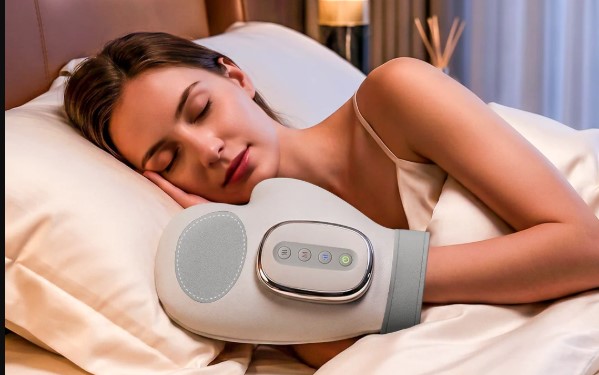
A Smart Hand Massager is now widely used as supportive Hand Massager option in home care. It applies compression, vibration and heat to relax hand muscles. Some users also refer to it as Electric Hand Massager especially when discussing powered rehabilitation tools. It is often used for mild symptom relief. Conventional clinical hand therapy is base on structured physiotherapy programs. It focuses on manual techniques, movement training and functional rehabilitation. When comparing physiotherapy effectiveness with a Smart Hand Massager helps understand when clinical treatment is needed and when device-based support may be useful.
ADVERTISEMENT
ADVERTISEMENT
Principles of Manual Physiotherapy
Manual therapy is foundation of clinical hand therapy. It is base on physiotherapy principles that aim to restore movement and reduce pain. Therapists use structured techniques which improve joint and muscle function. This includes soft tissue mobilization and controlled joint movement.
Soft tissue mobilization helps to reduce stiffness and improve blood flow. The joint mobilization improves range of motion in restricted joints and these methods are essential in clinical rehabilitation for hand injuries and chronic stiffness. Physiotherapy also focus on functional recovery. Patients are guided through exercises that improve daily hand use. The goal is to restore natural movement patterns and improve strength over time. Manual therapy also addresses root causes. It does not only reduce symptoms but also improves biomechanical function for long-term results.
Smart Hand Massager: Biomechanical Action of Smart Hand Massagers
A Smart Hand Massager works through mechanical stimulation. It applies rhythmic compression and vibration therapy to hand. This improves blood circulation and reduces muscle tightness and many users also call it Electric Hand Massager due to its powered function. Mechanical stimulation activates soft tissues and sensory receptors. This creates relaxation response in muscles. It also helps reduce mild discomfort and fatigue after daily use.
Vibration Therapy and Neuromuscular Response
Vibration therapy stimulates nerve endings in the hand. This creates a neuromuscular response that can reduce pain signals. It also supports temporary muscle relaxation. However, the effect is short-term and supportive only.
Tissue Compression and Circulatory Support
Tissue compression improves local blood flow. It also supports lymphatic drainage. This may reduce mild swelling and stiffness. The Hand Massager effect is mainly supportive for comfort, not structural repair.
Key Effects of Smart Hand Massager / Electric Hand Massager:
- Improves blood circulation
- Reduces mild stiffness
- Supports temporary pain relief
- Enhances muscle relaxation
- Helps reduce daily hand fatigue
Comparative Clinical Effectiveness
Clinical effectiveness depends on severity of the condition. Physiotherapy shows stronger results in moderate to severe cases. It provides structured rehabilitation and targeted correction of dysfunction. This improves long-term recovery outcomes.
A Smart Hand Massager or Electric Hand Massager is more effective for mild symptoms. It helps reduce soreness and stiffness in daily life. However, it cannot replace structured clinical rehabilitation.
Evidence-Based Therapy Outcomes
Evidence-based therapy supports manual physiotherapy in complex conditions. It improves rehabilitation results through personalized treatment. Clinical effectiveness is higher because treatment is adjusted in real time.
Treatment Accessibility and Use
A Hand Massager is easy to use at home. It improves convenience and daily compliance. However, it lacks clinical supervision and adjustment. This limits its role in advanced rehabilitation.
Key Comparison Points:
- Physiotherapy: High clinical control
- Smart Hand Massager: High convenience
- Electric Hand Massager: Supportive only
- Physiotherapy: Strong long-term outcomes
- Device therapy: Mild symptom relief
Safety and Contraindication Profiles
Therapy safety is important in both approaches. Manual physiotherapy is safe when performed by trained professionals. However, incorrect technique may cause temporary discomfort or strain. A Smart Hand Massager and Electric Hand Massager are generally safe for most users. Overuse may cause mild skin irritation or numbness. Patients with nerve disorders should use caution.
Clinical Monitoring and Safety Control
In physiotherapy, therapists monitor patient response during each session. This reduces treatment risks. Adjustments are made immediately based on feedback.
Clinical Contraindications and Patient Precautions
Some conditions require caution. These include acute injury, infection, and severe inflammation. In such cases, both physiotherapy and Hand Massager use should be limited.
Safety Guidelines:
- Avoid use during acute injury
- Do not apply excessive pressure
- Limit session duration
- Follow clinical advice
- Stop if discomfort increases
Long-Term Functional Outcomes
Long-term recovery depends on treatment type and condition severity. Physiotherapy provides stronger functional improvement. It enhances grip strength, mobility and coordination over time. A Smart Hand Massager supports comfort but has limited role in functional recovery. It helps maintain relaxation and reduce stiffness. It is mainly used as a supportive Electric Hand Massager for daily care.
Rehabilitation Progress Over Time
Physiotherapy uses structured progression. Each stage builds on previous improvement. This leads to steady functional recovery in most patients.
Home-Based Support Role
A Hand Massager helps manage mild symptoms at home. It supports circulation and reduces daily discomfort. It is commonly used between therapy sessions.
| Feature | Physiotherapy | Smart Hand Massager |
| Clinical Control | High | Low |
| Functional Recovery | Strong | Limited |
| Pain Relief | High | Moderate |
| Home Use | Limited | Easy |
| Long-Term Benefit | Strong | Supportive |
Combined Therapeutic Approach and Clinical Implications
A combine approach may improve outcomes in mild to moderate cases. Physiotherapy addresses structural and functional issues. A Smart Hand Massager supports daily symptom relief. The Electric Hand Massager can be used between therapy sessions. It helps maintain comfort and reduce stiffness. However, it should not replace clinical treatment.
Patient Guidance and Practical Use
Proper usage is important for safety. Overuse of a Hand Massager may reduce effectiveness. Clinical guidance ensures better results and safer recovery.
Best Practice Approach:
Use physiotherapy as primary treatment
- Use Smart Hand Massager for support
- Avoid overdependence on devices
- Follow therapist instructions
- Maintain consistent rehabilitation
Conclusion
Hand therapy comparison shows clear differences between clinical treatment and device-based care. Physiotherapy effectiveness is higher in structured rehabilitation and long-term recovery. It improves hand mobility and grip strength through clinical methods. A Smart Hand Massager also known as Electric Hand Massager which provides supportive relief for mild symptoms. It helps reduce stiffness and improve comfort in daily life. However it cannot replace clinical physiotherapy in serious conditions. Clinical hand therapy remains essential for functional recovery and long term patient outcomes.
Share this article



Latest Posts




ADVERTISEMENT