



How Modern Therapy Is Changing the Way We Approach Mental Health
- Updated on: Sep 19, 2026
- 3 min Read

Amina Ahmad is a bio-technologist and aims to deliver a positive contribution in healthcare industry by spreading health awareness in general public. She completed Masters in Technology (Biotechnology) from IMS Engineering College (AKTU). Then, she moved to Jamia Millia Islamia, a technological University in New Delhi, where she worked in the Research Division of Life Sciences Department as a researcher. She was also associated with Advancells, a stem cell company, as a Research Associate and laboratory expert in the past.
- Published on Sep 19, 2026
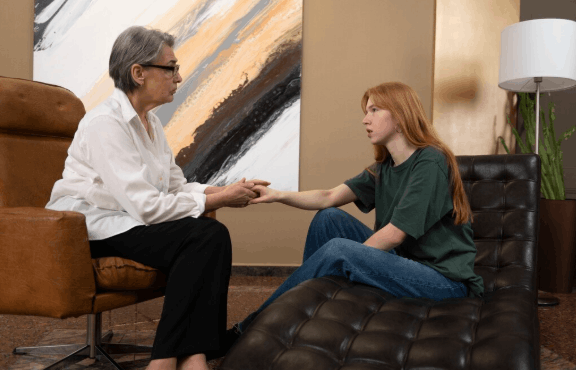
Mental health treatment has changed significantly in the previous 20 years. Psychotherapy was formerly seen as reactive, meaning people only sought treatment during significant psychiatric crises. In recent years, it has become an active, integrated part of wellness and preventive healthcare. Neuroscience, evidence-based therapy modalities, and flexible delivery platforms have altered therapeutic practice from opaque and stigmatised to collaborative and outcome-oriented. Modern therapy aims to break down obstacles and modify how people, families, and communities sustain emotional and cognitive health. This is done by combining scientifically proven psychological theories with customised therapy.
Development of Clinical Modalities
Classical psychoanalysis created the foundations of modern psychology but current practitioners have a range of evidence-based approaches to match unique neurobiological and cognitive patterns. Modern therapy goes well beyond just talking and includes specific techniques aimed to change brain pathways that negatively impact our mental health and promote long-lasting mental health.
ADVERTISEMENT
ADVERTISEMENT
Cognitive Behavioural Therapy (CBT) continues to be a fundamental touchstone, working with patients to identify, probe and restructure cognitive distortions that power anxious and depressive states. Specialised therapies such as Eye Movement Desensitisation and Reprocessing (EMDR) and Somatic Experiencing for trauma recovery and post-traumatic stress focus on the physiological and neurological markers of distress that are retained in the nervous system. Third-wave behavioural treatments such as Acceptance and Commitment Therapy (ACT) and Dialectical Behaviour Therapy (DBT) focus on teaching clients mindfulness-based affect regulation and distress tolerance skills. From remote psychiatric help to in-person services like professional counseling in Sugar Land for expert family and individual assistance these focused techniques guarantee that treatment strategies are tailored to the client’s specific psychological makeup and life experience.
De-Stigmatization and the Shift to Preventative Mental Health
One of the most important shifts in behavioural health is the societal normalisation of psychological assistance Public health campaigns, corporate wellness programs, and open conversations in schools have changed the perception of therapy from a sign of personal failure to a necessary discipline of emotional cleanliness.
This societal change has sparked a strong movement for preemptive intervention. Instead of waiting for burnout, extreme depressive episodes or relationship failures to occur, people are increasingly turning to professional therapists to increase emotional agility, cope with big life changes and handle ongoing employment stress. Proactive treatment resembles physical conditioning in that it equips patients with skills to resolve conflicts, bodily grounding techniques, or boundary-setting models before the impact of acute psychological distress hampers everyday functioning.
Integrative and Holistic Care
Modern medical practice increasingly recognises that psychological wellbeing is inseparable from bodily health. Research in psychoneuroimmunology and gastrointestinal microbiota has established a two-way connection between the central nervous system, systemic inflammation and emotional modulation .
Therapists nowadays often address this by using biopsychosocial models of therapy. Clinicians interact with primary care doctors, registered dietitians, sleep experts, and functional medicine practitioners to treat the underlying somatic factors to mood dysregulation. Lifestyle medicine is often included into clinical sessions, including circadian rhythm alignment, nutritional psychiatry, nervous system modulation and chronic pain treatment, as well as cognitive restructuring. This is a comprehensive strategy and therapy regimens are based on biological bases of distress and not isolated psychological symptoms.
Technology Enabled Care and Hybrid Delivery Systems
The fast use of secure telecommunication and digital therapeutics has irrevocably changed how people get and experience mental health treatment. Teletherapy platforms, asynchronous messaging tools, and digital symptom-tracking programs have established a flexible continuum of treatment that adapts to current logistical realities.
Virtual platforms minimise geographic friction, giving access to subspecialised physicians to those living in underserved rural areas or high-density suburban neighbourhoods without the need for long journeys. Therapists may evaluate objective clinical improvement between sessions using digital biometric monitors and proven measurement-based care systems, monitoring mood swings, sleep quality, and heart rate variability in real-time. The combination of ongoing digital monitoring and scheduled clinician visits, this hybrid approach promotes patient responsibility and speeds up therapeutic progress.
What to Expect in Therapy Today According to Evidence
In today’s therapeutic journeys transparency, measurable goal-setting and mutual participation of client and therapist are the basis, via three distinct phases:
In the initial stage of clinical assessment and intake, the clinician conducts an evaluation of the client’s psychosocial history, current level of symptomatology, relationship dynamics, and physiological baselines to establish a clear diagnostic standard. This moves into the active intervention and skill-acquisition phase, with therapist and client working together on targeted behavioural exercises, cognitive reframing and emotional processing processes aided by structured between-session reflections. Finally, the maintenance and consolidation stage of therapy aims at relapse prevention, long-term habit formation, and the development of personal autonomy. The client may gradually reduce the frequency of meetings as they internalise sustainable psychological coping mechanisms.
Closing Thoughts
Today’s mental health care has replaced outdated stigmas about therapy with scientific discipline, clinical precision and active wellness strategies. Behavioural health specialists use a mix of neurobiology, multimodal treatments and flexible access channels to help patients deal through adversity, enhance emotional resilience and achieve substantial personal growth. As scientific knowledge continues to expand and treatment delivery grows more and more tailored, therapy is one of the most effective, transformational investments an individual can make in their lifelong health.
Share this article



Latest Posts





ADVERTISEMENT