
What Breast Fat Grafting Is and How the Procedure Actually Works
- Updated on: Sep 8, 2026
- 3 min Read

Happy Kumari is a dedicated biotechnologist with a strong academic foundation, holding a Master’s in Biotechnology from Amity University, Noida, and a Master’s in Cancer Research and Precision Oncology from the University of Glasgow. Passionate about advancing healthcare through research, she brings expertise in cancer biology to her work. Previously, Happy contributed as a Patent Associate at Effectual Knowledge Services and also served as a Research Analyst with Maxinov Solutions Private Ltd. She is now contributing as a medical content writer for Diseasefix, where she communicates complex scientific topics with clarity. Her research interests focus on pioneering developments in cancer biology and precision oncology.
- Published on Jun 24, 2026
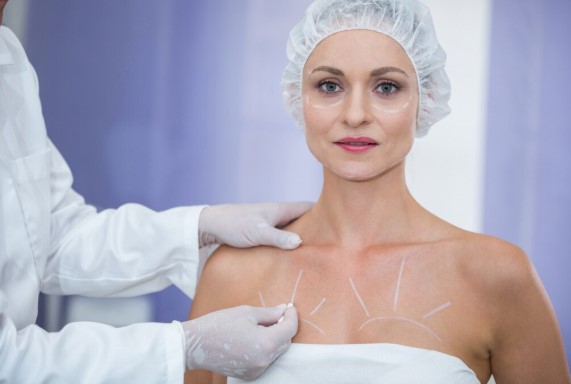
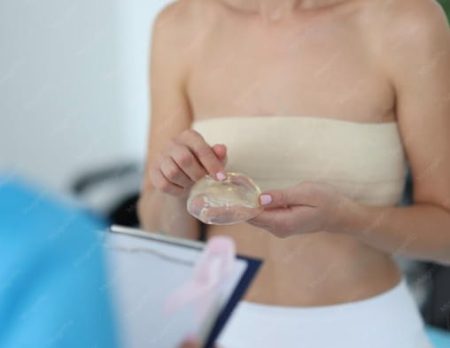
More and more women are looking for ways to restore or refine their breasts without turning to implants, and one option keeps coming up in that conversation: fat grafting. For women in Denver exploring a more natural route, it offers something appealing, using your own body’s fat to add volume and smooth out shape rather than introducing anything artificial.
It sounds almost too clever to be real, but the science behind it is well established. So let’s walk through what breast fat grafting actually is, how the procedure works step by step, and who tends to get the most out of it.
ADVERTISEMENT
ADVERTISEMENT
What Fat Grafting Actually Is
Breast fat grafting, sometimes called autologous fat transfer, is a procedure that moves fat from one part of your body to your breasts. The fat is taken from an area where you have a bit to spare, like the abdomen or thighs, and then carefully placed where you want more volume or a smoother contour.
Because it uses your own living tissue, the results feel soft and natural, with nothing foreign in the body. It’s often used to refine shape, fill small dents or irregularities, soften the edges of an implant, or restore fullness lost after pregnancy, weight changes, or breast surgery.
Step One: Harvesting the Fat
The procedure begins with liposuction on a donor area. Using a thin tube called a cannula, the surgeon gently removes fat from somewhere you’re happy to slim slightly, such as the belly, flanks, or thighs. This part doubles as a little contouring bonus in the donor area.
The incisions for this step are tiny, and the fat is removed in a careful, controlled way to keep the fat cells healthy. Keeping those cells intact matters a great deal, because they need to survive the move and establish a new blood supply once they’re transferred.
Step Two: Purifying and Transferring
Once harvested, the fat isn’t simply injected straight in. It’s first purified to separate the healthy fat cells from fluid and other material. This cleaning step concentrates the good cells, which improves the chances that the graft will take and last.
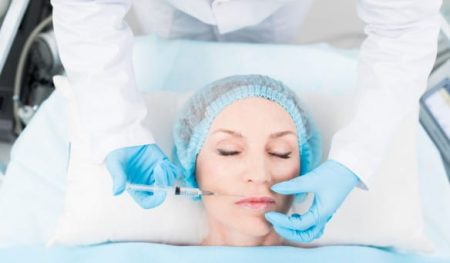
The purified fat is then injected into the breast in many small, precise amounts rather than one big deposit. Spreading it out this way helps each bit of fat reach a blood supply and settle in smoothly, which is what creates a natural, even result rather than lumps.
Why People Choose It Over Implants
One big draw is that fat grafting avoids implants entirely, using only your own tissue. Interest in this approach is clearly growing. The American Society of Plastic Surgeons reported 157,740 breast reconstruction procedures in 2023, up 4 percent, and points to fat grafting for the chest as one of the innovations drawing women away from implant-only options.
That natural feel is exactly why so many people look into it. If you’re considering fat grafting to the breast in Denver, it helps to know that it tends to suit people wanting a modest, natural enhancement or a way to correct contour irregularities rather than a dramatic increase in size. The best results come from a surgeon who understands how to harvest and place the fat so that as much of it as possible survives over the long term.
The team at On Pointe Plastic Surgery, for example, tailors each procedure to the patient’s own anatomy and goals rather than relying on a single standard approach for everyone. Asking how a provider plans the harvesting and placement, and how they protect the fat cells along the way, is well worth doing before you commit to anything.
What Recovery Looks Like
Recovery is generally straightforward and done at home. Most people have some swelling and bruising at both the donor and breast areas, which usually eases within a few weeks. Strenuous activity is off the table for a couple of weeks, though many return to light routines within days.
Your final results take a little patience. Some of the transferred fat is naturally reabsorbed by the body in the first few months, so the look settles gradually, usually becoming clear within three to six months. A good surgeon plans for this so the end result matches what you discussed.
Is It Right for You
Fat grafting works best for people who want a subtle, natural change and have enough donor fat to harvest. It’s a popular choice for women recovering from breast cancer surgery, smoothing irregularities, or simply preferring their own tissue over an implant.
As with any procedure, the smartest first step is an honest conversation with a qualified, board-certified surgeon who can look at your goals and explain whether this approach fits. Going in informed makes it far easier to decide if fat grafting is the right path for you.
The Bottom Line
Breast fat grafting appeals to so many women because it works with your body, using your own fat to restore volume and refine shape while keeping everything looking and feeling natural. For anyone who wants a subtle, authentic result rather than a dramatic change, it’s a genuinely appealing alternative to implants.
As with any procedure, the outcome depends heavily on the surgeon’s skill and planning. If a natural approach to restoring your shape sounds right, an honest consultation is the best way to find out whether fat grafting fits your goals.
Share this article

Latest Posts


ADVERTISEMENT