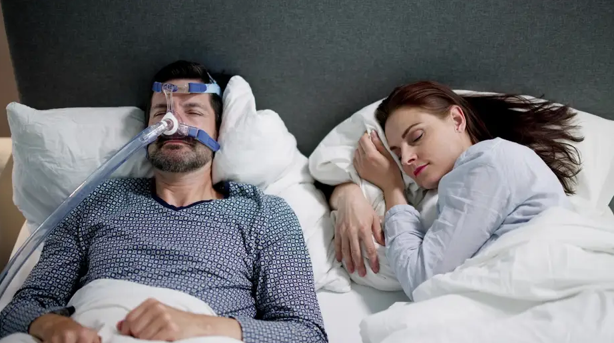
When we talk about Positive Airway Pressure (PAP) for sleep apnea, the most common question is CPAP vs BiPAP. CPAP stands for continuous positive airway pressure (CPAP), and BiPAP stands for bilevel positive airway pressure. While both PAP therapies work in a similar way, each has its own pros and cons that are worth discussing when choosing the right devices for sleep apnea. Fortunately, these devices are now rapidly available through suppliers like about FC Medical. They provide respiratory support solutions aligned with local healthcare needs.
In this article, we’ll explore key differences between CPAP and BiPAP. By the end, you should be able to decide which is better for your condition: CPAP or BiPAP.
So, let’s begin:
What is CPAP?
CPAP supplies a constant fixed positive pressure level when breathing in and out. This helps keep the airway open while sleeping. It’s extensively used as the most effective non-invasive method to prevent severe obstructive sleep apnea.
What is BiPAP?
BiPAP, as the term explains itself, comes with two pressure levels, one for breathing in and the other for breathing out. The first pressure level, IPAP: Inspiratory positive airway pressure, is the higher level used during inhalation to keep the air passage open. The second level is EPAP: Expiratory positive airway pressure, for a more natural exhaling while sleeping.
Most BiPAP machines today facilitate three positive airway pressure levels:
Spontaneous switching: It detects breathing problems and adjusts the EPAP and IPAP levels accordingly.
- Timed Switching: Patients can set EPAP and IPAP phase durations. It’s suitable for maintaining an ideal breath rate.
- Timed switching/Spontaneous: This setting supports natural breathing and detects pattern drops. The system will adjust whenever it detects a drop below the preset breaths-per-minute threshold.
CPAP vs BiPAP: What’s the Difference?
By now, it must be clear that CPAP and BiPAP primarily differ in terms of positive pressure level. Other than this, the following are the key differences between CPAP and BiPAP therapies or devices:
Recommended use: CPAP therapy is generally recommended for patients struggling with obstructive sleep apnea (OSA). BiPAP devices, on the other hand, are preferred for people with complex sleep-related breathing issues, including severe OSA and sleep-related hypoxemia. BiPAP machines are also suitable for patients with hypertension, coronary artery disease, and congestive heart failure.
Costs and insurance: When it comes to the cost, BiPAP devices cost more than CPAP devices. In terms of insurance coverage, most providers provide good coverage for CPAP, while BiPAP has limited options.
CPAP vs BiPAP: Final Thoughts
Despite their identical appearances and functionality, CPAP and BiPAP devices differ significantly in terms of treatment. Your doctor should always be the one to make the decision to switch.
Those who use CPAP devices must go through an adjustment period before they feel comfortable using them. You can alleviate discomfort by wearing various types of masks, altering settings, or utilizing a machine that lowers air pressure. BiPAP treatment is appropriate for people who do not tolerate CPAP. The machine must be used under the supervision of a sleep apnea professional.