



The Hidden Risks in Healthcare When Patients and Doctors Don’t Speak the Same Language
- Updated on: Nov 3, 2026
- 3 min Read

Amina Ahmad is a bio-technologist and aims to deliver a positive contribution in healthcare industry by spreading health awareness in general public. She completed Masters in Technology (Biotechnology) from IMS Engineering College (AKTU). Then, she moved to Jamia Millia Islamia, a technological University in New Delhi, where she worked in the Research Division of Life Sciences Department as a researcher. She was also associated with Advancells, a stem cell company, as a Research Associate and laboratory expert in the past.
- Published on Nov 3, 2026
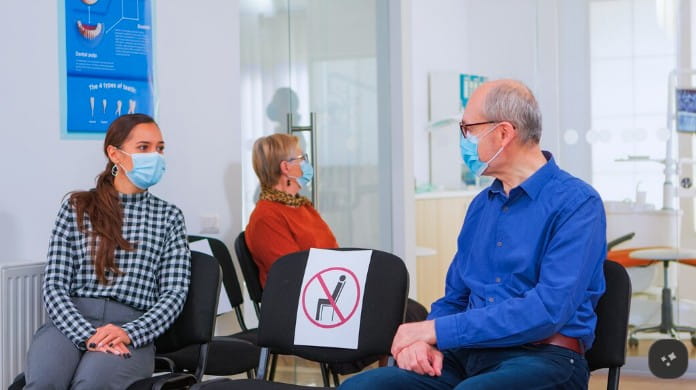
A medical appointment depends on communication as much as clinical knowledge. Patients must describe symptoms accurately, clinicians need to ask follow-up questions, and both sides must understand the next steps. When they do not share a language, even routine encounters can become confusing or unsafe. Addressing that barrier is an essential part of providing equitable, patient-centered care.
Language Barriers Can Change the Entire Appointment
A patient may know exactly how a symptom feels but lack the words to describe it in the language used by the healthcare team. Important distinctions, such as the difference between pressure and sharp pain or between dizziness and fainting, may be lost. Clinicians can also misunderstand the timing or severity of a condition when questions are translated informally. These gaps can influence what tests are ordered and how quickly care is delivered.
ADVERTISEMENT
ADVERTISEMENT
Professional interpreting services help clinicians and patients communicate more accurately without relying on family members to translate complex medical information. One option is VRI technology, which connects the parties with a remote interpreter through a video-enabled device. Visual interaction can be useful when facial expressions and other nonverbal cues help support communication. It is not ideal for every situation, however, and healthcare teams should select interpretation methods appropriate to the patient’s needs and clinical circumstances.
Medical Histories Depend on Accurate Details
A complete medical history requires more than a checklist of diagnoses. Clinicians often need to understand how symptoms began, what makes them worse, which treatments have already been tried, and whether relatives have experienced related conditions. Subtle details can change the clinical picture considerably. A language barrier makes it easier for relevant information to be omitted, shortened, or misunderstood.
Medication histories are particularly sensitive to communication problems. Patients may refer to medicines by brand names used in another country, describe them by appearance, or struggle to explain dosage instructions. Supplements and traditional remedies may not appear in standard electronic medication lists. Clinicians need enough time and appropriate communication support to identify what a patient is actually taking.
Informed Consent Means More Than Signing a Form
Before many procedures and treatments, patients should understand the proposed care, its material risks, expected benefits, and reasonable alternatives. A signature alone does not demonstrate that understanding. Patients need opportunities to ask questions and explain concerns in a language they can use confidently. Communication becomes especially important when the decision is urgent or medically complicated.
Written translations can help, but they do not replace conversation. Medical documents may contain unfamiliar terminology even for fluent readers, and literacy levels vary within every language group. Clinicians can explain key points in plain language and ask patients to repeat the plan in their own words. This teach-back approach checks understanding without turning the interaction into a test of the patient’s intelligence.
Discharge Instructions Are a High-Risk Moment
Patients leaving a hospital or clinic often receive several instructions at once. They may need to start new medicines, schedule follow-up appointments, watch for warning signs, and change their daily routines. Even without a language barrier, this information can be difficult to remember while someone is tired, worried, or in pain. Misunderstanding one important step can interfere with recovery.
Medication directions are a common source of confusion, particularly when doses change or several products have similar names. Patients should understand when to take each medicine, whether food is required, and which effects warrant medical attention. Clear written materials in an appropriate language can reinforce verbal explanations. A final teach-back conversation can reveal misunderstandings before the patient leaves.
Family Members Cannot Always Serve as Interpreters
Family involvement is often valuable in healthcare, and many patients appreciate having trusted people nearby. Problems arise when relatives are expected to communicate information that requires specialized vocabulary or strict confidentiality. They may summarize rather than interpret, omit upsetting details, or misunderstand medical concepts themselves. Children in particular should not routinely be placed in the position of interpreting sensitive clinical information.
Family relationships can also affect what a patient feels comfortable saying. A person might avoid disclosing symptoms, medication use, or personal circumstances in front of a spouse or adult child. Qualified interpreters help preserve the patient’s own voice in those conversations. They also allow relatives to focus on emotional support rather than the pressure of translating accurately. Healthcare professionals should explain why trained language assistance is being offered rather than making families feel excluded.
Share this article



Latest Posts





ADVERTISEMENT