


Browsing: Brain and Neurological Conditions
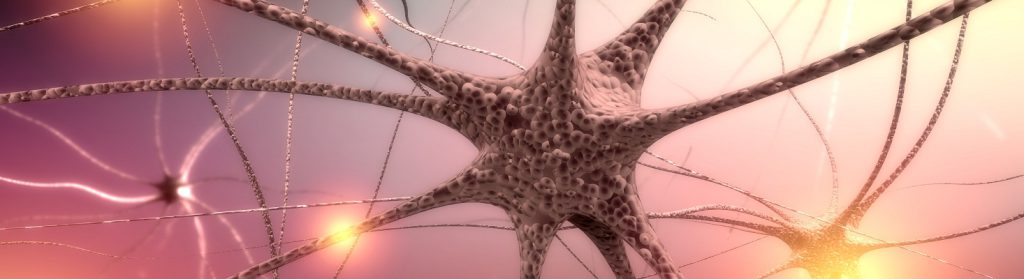
Your brain constitutes the control mechanism of your body. It’s part of your nervous system, which also includes the spinal cord and a large network of nerves and neurons. The nervous system controls everything in your body.
When your brain is damaged or diseased, it can affect your memory, your sensation, your personality, and even your entire quality of life. Nervous system disorders (Nervous system diseases) include any conditions or disabilities or problems that affect your brain or nervous system and comprise brain diseases as well.
Brain and nervous system problems are quite common. These neurological disorders include Alzheimer’s disease, Parkinson’s disease, multiple sclerosis, epilepsy, stroke, depression, autism, etc.
This page provides quick access to a list of common diseases, syndromes, health conditions, and other topics of health importance related to your brain and nervous system. The list is organized alphabetically. Links are provided to respective disease ecosystems that serve as a comprehensive and ultimate guide about the disease or health condition. Keep reading!
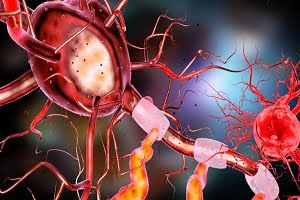
Peripheral neuropathy or peripheral polyneuropathy refers to the condition that damages the peripheral nervous system. Neuropathy causes the destruction of the nerve cells called neurons. As a result, the neurons are unable to communicate properly with each other and with the brain.
Nerve biopsy, skin biopsy, and nerve conditioning test are diagnostic techniques for diagnosing peripheral neuropathy. Peripheral neuropathy refers to nerve damage that may occur to single or a group of peripheral nerves. Different conditions can cause chronic peripheral neuropathy; the most common cause is diabetes.

Phobia of holes or trypophobia refers to the fear of a cluster of small holes and cracks. People who have trypophobia often feel discomfort, headache, and may even get panic shocks. People with trypophobia (fear of holes) get scared of watching completely packed spaces like a beehive, seed pod, or closure image of some pores.
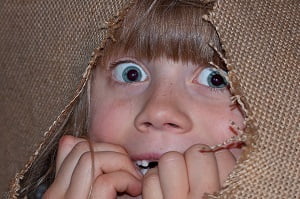
Phobic hallucinations in children usually develop due to anxiety and fear. It has been usually found in children of age-group 7-10 years. Phobic hallucinations can affect performance of the children at school and may also interfere in their social life.
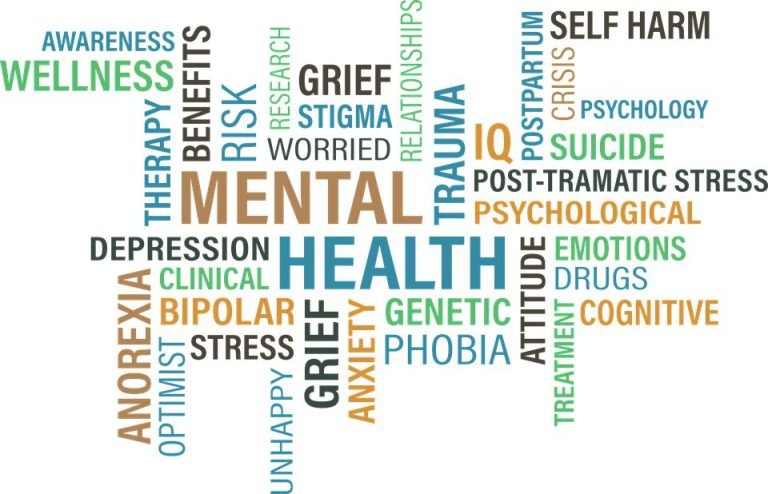
There are many mental disorders linked to phobia such as obsessive-compulsive disorder (OCD), post-traumatic stress disorder (PSD), depression, panic disorder, and psychotic disorders like schizophrenia. All these mental disorders share some common symptoms with phobia and can be life-threatening if left untreated.
The relationship between phobias and brain activity has been observed under MRI tests. People suffering from phobias have an increased activity of the amygdala. Amygdala is an almond-shaped structure present deep inside the brain’s temporal lobe behind the pituitary gland. Amygdala is involved in controlling emotions, survival, instincts, and memory. Thus people with phobias may have difficulty controlling their emotions, lack survival instincts, and have memory problems.
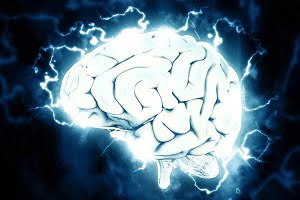
Relapsing-Remitting MS (RRMS) is the most common form of multiple sclerosis affecting about 85% of all people with MS. It is observed that women are at three time higher risk of being affected by RRMS than men.Some common signs of relapsing-remitting MS are trouble seeing, numbness, fatigue, difficulty, balancing problems, etc.
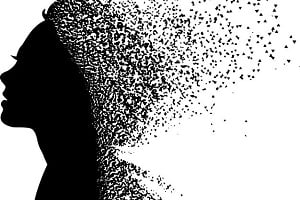
Nyctophobia is a fear of night or darkness that can develop symptoms of anxiety and depression. This phobia usually develops during childhood and continues further till a person is alive. It is usually said that people develop a fear of darkness because they cannot see anything that makes them feel unsafe, and they start feeling anxious.
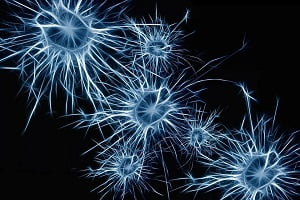
Multiple sclerosis (MS) is a neuro-inflammatory disease known to be the most common disabling neurological disease of young adults. MS affects myelin, which makes up the myelin sheath and wraps around nerve fibers (axons).
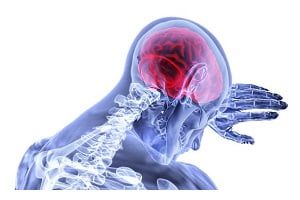
A stroke is a medical state in which deprived blood flow to the brain results in cell death. Reduced blood supply to a part of the brain leads to stroke. Stroke can impact the memory and thinking of stroke in different ways depending upon the part of brain affected. A stroke can affect various activities such as learning new skills, recognizing faces and objects, and processes such as memory and concentration.
ADVERTISEMENT