


Browsing: Brain and Neurological Conditions
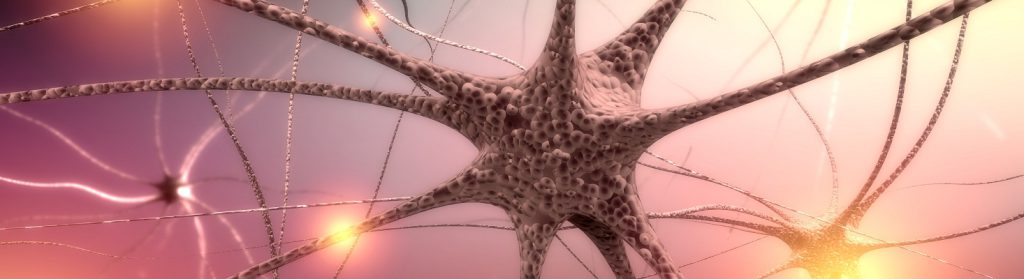
Your brain constitutes the control mechanism of your body. It’s part of your nervous system, which also includes the spinal cord and a large network of nerves and neurons. The nervous system controls everything in your body.
When your brain is damaged or diseased, it can affect your memory, your sensation, your personality, and even your entire quality of life. Nervous system disorders (Nervous system diseases) include any conditions or disabilities or problems that affect your brain or nervous system and comprise brain diseases as well.
Brain and nervous system problems are quite common. These neurological disorders include Alzheimer’s disease, Parkinson’s disease, multiple sclerosis, epilepsy, stroke, depression, autism, etc.
This page provides quick access to a list of common diseases, syndromes, health conditions, and other topics of health importance related to your brain and nervous system. The list is organized alphabetically. Links are provided to respective disease ecosystems that serve as a comprehensive and ultimate guide about the disease or health condition. Keep reading!
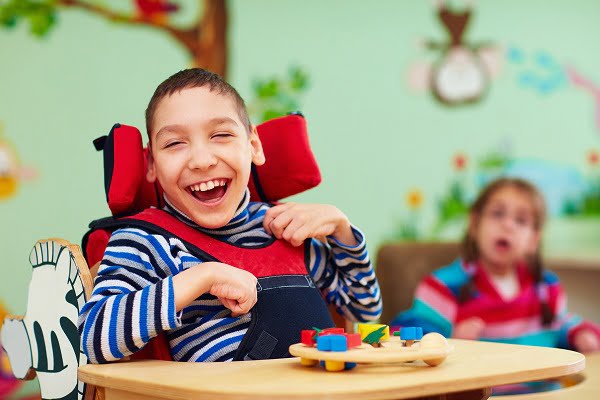
Children suffering from cerebral palsy are very different from each other, and thus the teaching process is also very different. This depends on the symptoms, needs, and severity of the disease. There are various tips for teachers for managing children with cerebral Palsy. Some of them may include developing different skills among children such as articulation skills, fine-motor skills, gross-motor skills etc.

A phobia is a type of anxiety disorder in which there is a persistent, excessive and irrational fear reaction. A person having a phobia either tries to avoid the thing that triggers the fear, or encounters it with great anxiety and distress. The person may not experience phobia until he or she comes in contact with the source of fear and that fear can be of a specific place, situation, or object.
Aerophobia refers to the extreme fear of flying either in aero planes, helicopters or even flying sports. People with fear experience anxiety, trembling, nausea and panic attacks. Aerophobia suffering people usually sense sounds and movements during takeoff and landing which are unpleasant to them.

The reading and writing disabilities in dyslexics are due to difficulty in the processing of information by the brain. Dyslexic people may be weak in reading and writing skills but at the same time they are strong in some areas such as logical reasoning, and visually creative fields, etc. Reading instructions for a child with dyslexia are developed to improve their reading and writing skills.

Medications are given to ADHD patients to increase their ability to pay attention, manage their impulsiveness and hyperactivity. These medications sometimes can also be used for people who suffer from sleep attacks (narcolepsy), chronic fatigue and to boost antidepressant effects. Different types of medications generally used to treat ADHD patients are: Stimulants and Non-stimulants.

A migraine has been associated with sleep disturbances and unusual sleeping patterns. Some individuals can feel refreshed by even a nap, while in some cases it was found that they woke up with a headache or a migraine. Learn about the association between a migraine attack and insomnia.

Adults with cerebral palsy experience age-related changes earlier in life than their non-disabled peers. It frequently causes a cycle of de-conditioning which deteriorates physical functioning, followed by a further decrease in physical activity, and a cascade of functional decline. The disorder often leads to the development of musculoskeletal and neurological symptoms.

Attention deficit hyperactivity disorder (ADHD) is a chronic behavioral disorder characterized by symptoms like impulsiveness in behavior, hyperactivity, and inattentiveness. ADHD affects the academic, social and family functioning of the child. Children with this disorder often experience many difficulties in their academics when compared with normal average students. Attention Deficit Hyperactivity (ADHD) symptoms in school can be managed with the help of behavioral classroom management, organizational training, accommodations and various other classroom techniques.

Cerebral palsy (CP) is a condition caused due to an injury to the brain before, during or after birth, which leads to impairment in control and movement. Children suffering from cerebral palsy have spasticity in their lower limbs (spastic diplegia or diparesis) which results in muscular stiffness and pain. Selective dorsal rhizotomy (SDR) is a procedure for reducing spasticity in children suffering from cerebral palsy. But the procedure is not suitable for everyone.

Attention deficit hyperactivity disorder (ADHD) is a neurobehavioral disorder characterized by symptoms like impulsiveness in behavior, hyperactivity, and inattentiveness. Till now, there is no exact known cause of attention deficit hyperactivity disorder (ADHD) but scientists are studying the causes and risk factors so that they can find better ways to manage the disease and reduce the chances of a child getting ADHD.
ADVERTISEMENT