


Browsing: Brain and Neurological Conditions
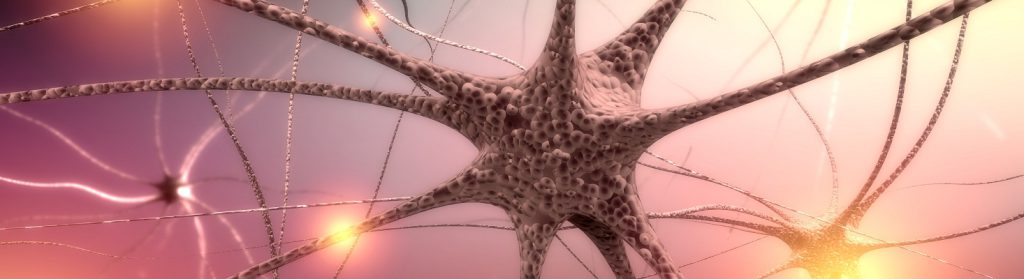
Your brain constitutes the control mechanism of your body. It’s part of your nervous system, which also includes the spinal cord and a large network of nerves and neurons. The nervous system controls everything in your body.
When your brain is damaged or diseased, it can affect your memory, your sensation, your personality, and even your entire quality of life. Nervous system disorders (Nervous system diseases) include any conditions or disabilities or problems that affect your brain or nervous system and comprise brain diseases as well.
Brain and nervous system problems are quite common. These neurological disorders include Alzheimer’s disease, Parkinson’s disease, multiple sclerosis, epilepsy, stroke, depression, autism, etc.
This page provides quick access to a list of common diseases, syndromes, health conditions, and other topics of health importance related to your brain and nervous system. The list is organized alphabetically. Links are provided to respective disease ecosystems that serve as a comprehensive and ultimate guide about the disease or health condition. Keep reading!
There are different stages of peripheral neuropathy depending upon the severity and complication of the disease. It’s not easy to recognize the disease stage; therefore, the treatment given in the beginning deals with pain control and management. Pain and numbness is the foremost symptom.

Cells which produce dopamine die in Parkinson’s disease patients. Loss of dopamine causes the symptoms of Parkinson’s disease, such as tremor and slow movements. Researchers are working for novel approaches such as stem cell and gene therapy that seem to provide benefit to Parkinson’s patients.

Emotional distress in an Alzheimer’s patient can’t always be treated with drugs. Stress during transition in Alzheimer’s patients can be very discomforting. Caregivers of these patients need to plan before transition to maintain the needed comfort. This helps to remove or reduce the feeling of agitation and stress in patient.
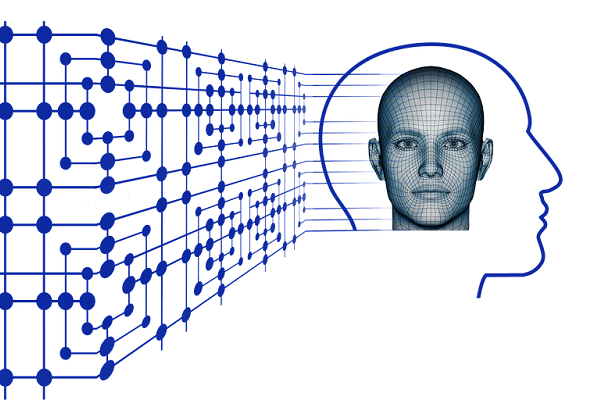
Artificial intelligence technology is still not handy for every individual but has the potential to benefit the society. Many researchers are working with this technology as their base in research to reduce the effect of mental problems such as depression.
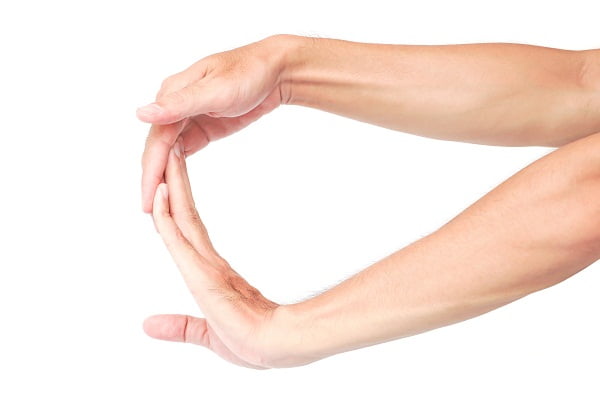
Your fingers and thumb get severely affected due to the pain in carpal tunnel syndrome. You should try to keep your affected fingers in a stable position to help reduce the effects of carpal tunnel syndrome or another repetitive strain injury. Besides, you should also take frequent breaks when working on a desk or a computer.
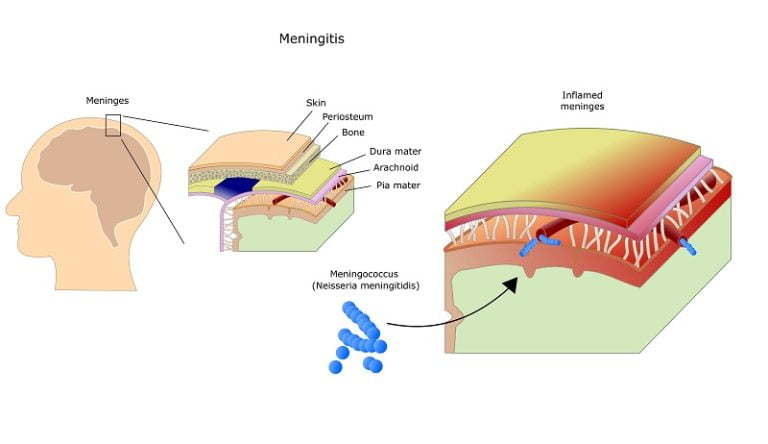
Brain and spinal cord are protected by a layer known as meninges. Meninges protect the brain and spinal cord from harmful agents and acts as a shock absorber. An inflammation in meninges is called meningitis. Meningitis is a life-threatening infection and if left untreated, it can cause permanent disability and even death.
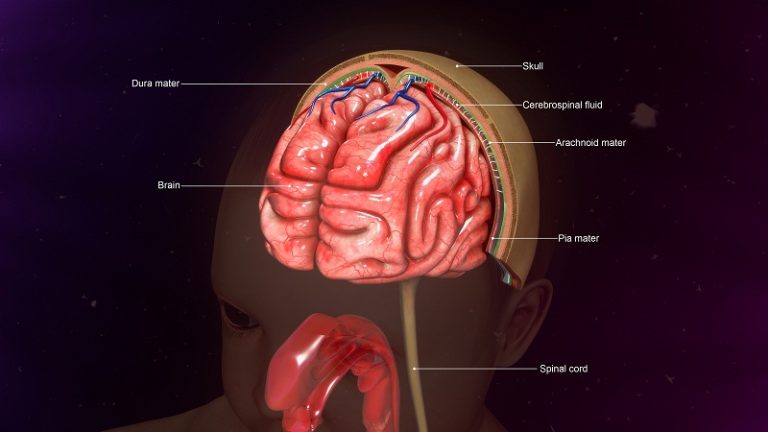
Meningitis is a condition of the brain and spinal cord where an inflammation occurs in the tissues that cover the brain and spinal cord of children. Sometimes, the disease affects the brain only. It is a life-threatening condition but with early diagnosis and proper treatment, a child with meningitis can recover.

Weakness is a common side effect that a patient experiences after the vaccination. The person may experience an unusual feeling in his arms and legs. These side effects can occur immediately after the injection or after a few weeks. The weakness and unusual sensation in legs and arms should not be ignored.
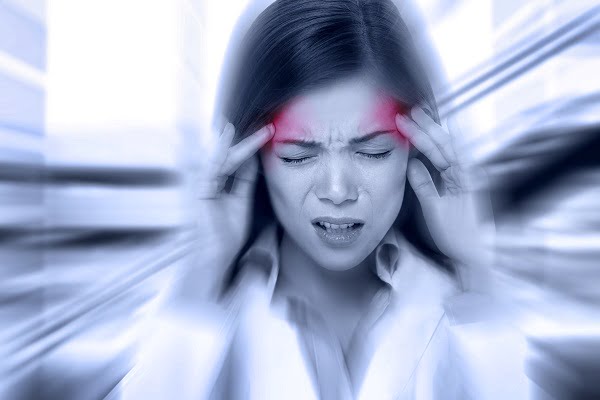
A migraine is a complex headache disorder characterized by recurrent headaches ranging from moderate to severe. The condition has a variety of symptoms but the main symptom is a painful and excruciating headache that are pulsating in nature, affect one half of the head and last for several hours to days.

Stiff neck is a type of soreness experienced by a person along with difficulty in moving the neck sideways. It generally happens along with headache, neck pain and shoulder pain. The person experiences severe pain while looking sideways or over the shoulder. The entire body is turned instead of the stiff neck because of pain.
ADVERTISEMENT