

Browsing: Brain and Neurological Conditions
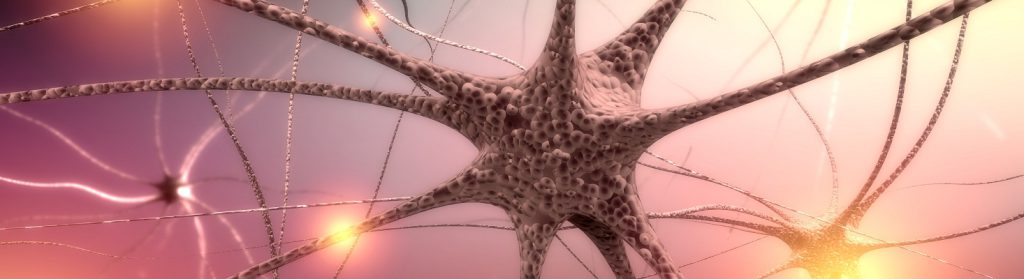
Your brain constitutes the control mechanism of your body. It’s part of your nervous system, which also includes the spinal cord and a large network of nerves and neurons. The nervous system controls everything in your body.
When your brain is damaged or diseased, it can affect your memory, your sensation, your personality, and even your entire quality of life. Nervous system disorders (Nervous system diseases) include any conditions or disabilities or problems that affect your brain or nervous system and comprise brain diseases as well.
Brain and nervous system problems are quite common. These neurological disorders include Alzheimer’s disease, Parkinson’s disease, multiple sclerosis, epilepsy, stroke, depression, autism, etc.
This page provides quick access to a list of common diseases, syndromes, health conditions, and other topics of health importance related to your brain and nervous system. The list is organized alphabetically. Links are provided to respective disease ecosystems that serve as a comprehensive and ultimate guide about the disease or health condition. Keep reading!

A research has shown the evidence of amplified health risks experienced by pregnant women with epilepsy. The research examined obstetric consequences including maternal mortality, cesarean delivery, pre-eclampsia, premature labor and stillbirth in a study of pregnant women identified through various hospitalization databases.
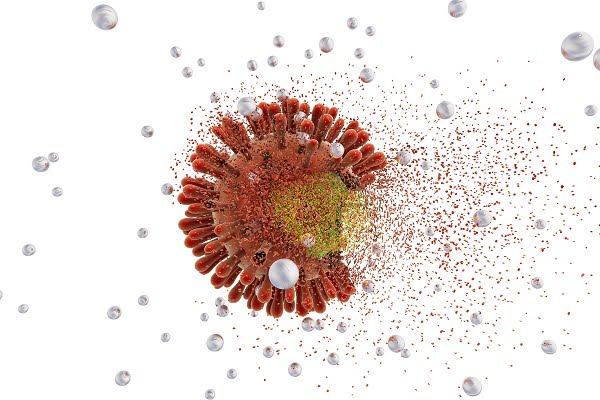
Meningitis is a relatively rare condition, but it evolves as a life-threatening emergency as symptoms of meningitis can develop fast. The disease can affect people of any age, gender, background or class. People who are at higher risk of meningitis include babies and toddlers. Teenagers are two and a half times more at risk than adults.

Stretching exercises of the muscles surrounding the wrist can help in reviving the condition of tendons which pass through the carpal tunnel and can help in maintaining good health of the tendons. These exercises can help in easing the pain of carpal tunnel syndrome and if followed earlier can help in preventing it too.

Stroke recovery is the process to relearn skills and abilities lost during a stroke. The objective is to make a person independent and improve his/her quality of life. Each person’s ability to respond to recovery varies greatly. The stroke recovery process depends upon the region affected and the abilities lost due to stroke.
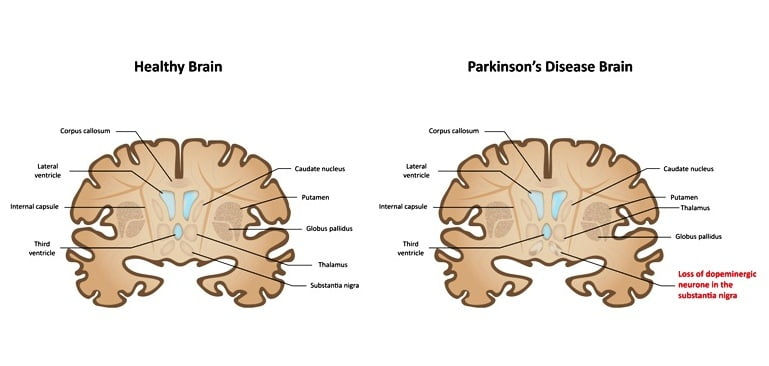
Parkinson’s disease facts It is a neuro-degenerative problem which leads to progressive decline of motor function due to loss of…
During a carpal tunnel syndrome, the median nerve is compressed within the tunnel by overuse of your wrist and fingers or by trauma to your hand resulting in pain, numbness, tingling and weakness. Recovery exercises help you in improving your range of motion, nerve gliding, strengthening and desensitization.
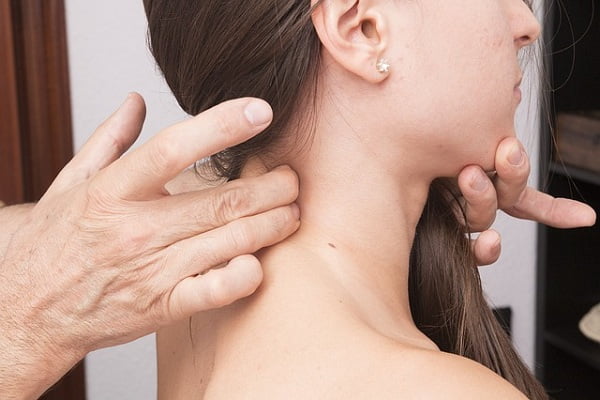
Compressed Nerve in Neck A compression or irritation of a nerve in your neck leads to a condition known as…
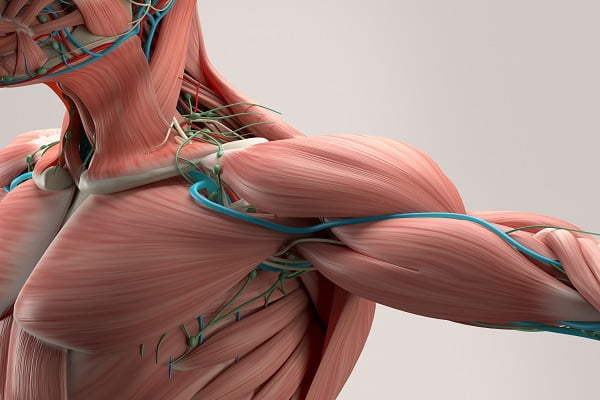
When your shoulder nerve is pressurized by its surrounding tissue, it may cause you to get a nerve condition called a pinched nerve of shoulder. It is called shoulder nerve compression. Pinched nerve in shoulder is usually a temporary condition but can cause extreme pain and discomfort in the shoulder.
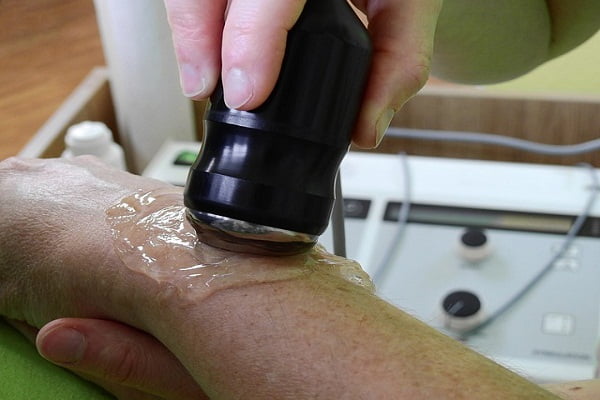
A pinched nerve may take a few days to a few months to get fixed completely. The recovery time usually depends upon the extent of the damage in the nerve and the type of treatment you are given. Your doctor can treat pinched nerve symptoms with home remedies, medication, and surgical intervention.

Like with any surgery, there are possible complications of carpal tunnel surgery. While the chances of these complications to get severe are small, but you should nevertheless understand the possible risks before going for the surgery.
ADVERTISEMENT