



Most women have been told at some point — “period pain is normal, don’t worry so much.” And so they don’t. They push through the cramps, pop a painkiller, and carry on. But what if that pain, that fatigue, that bloating — is your body trying to tell you something much bigger?
ADVERTISEMENT
ADVERTISEMENT
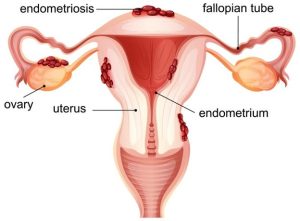
Endometriosis affects roughly 1 in 10 women of reproductive age. And yet, on average, it takes 7 to 10 years to get diagnosed. The reason? Many of its signs are so easy to dismiss that women never connect them to a real medical condition. Let us walk you through the signs that often go unnoticed — and why you should pay attention.
1. Periods That Feel Like a Punishment
Yes, period cramps are common. But painful periods that stop you from going to work, school, or even getting out of bed? That is not something to brush off. This kind of severe dysmenorrhoea — where pain radiates to the lower back, thighs, and groin — is one of the earliest red flags.
2. Pain That Shows Up in the Wrong Places
Endometriosis does not stay politely in the uterus. When tissue grows on the bowel or bladder, women often feel pelvic pain that is dull, crampy, and constant — even between periods. Many mistake this for a gas problem or a bad back.
3. Painful Intercourse
Dyspareunia, or pain during or after sex, is something many women silently endure, feeling embarrassed to bring it up with a doctor. This symptom, especially when it feels deep rather than superficial, is closely linked to deep infiltrating endometriosis.
4. Unusual Fatigue
Feeling exhausted even after 8 hours of sleep? Chronic fatigue linked to endometriosis is different from regular tiredness — it is the kind that makes even simple tasks feel heavy. It is caused by the body’s constant inflammatory response fighting the displaced tissue.
5. Bloating That Comes and Goes
Often called “endo belly,” this is a very real and uncomfortable swelling of the abdomen that many women experience around their menstrual cycle. It is frequently dismissed as IBS or dietary intolerance, and women spend years chasing the wrong diagnosis.
6. Pain While Passing Stools or Urine
If you experience bowel pain or difficulty urinating specifically during your period, it could point to bowel endometriosis or bladder endometriosis. This gets misread as a UTI or digestive issue almost every time.
7. Irregular Bleeding Patterns
Spotting between periods, very heavy flow, or cycles that are unpredictable — these menstrual irregularities are signs of a hormonal and structural issue that needs proper investigation, not just a change in birth control.
8. Lower Back Pain With No Injury
Many women live with a nagging lower back ache that no physiotherapy or pain medication seems to fix. When back pain has no clear orthopaedic cause and worsens during periods, endometriosis could well be the reason.
9. Difficulty Getting Pregnant
Infertility or subfertility is, unfortunately, how a large number of women first discover their endometriosis. The condition can block fallopian tubes, damage eggs, and create an environment in the pelvis that is hostile to conception. If you have been trying to conceive for over a year without success, an evaluation for endometriosis and fertility issues is worth having.
10. Shoulder or Chest Pain Around Periods
This one surprises most people. In rare cases, endometrial tissue grows near the diaphragm. This causes shoulder tip pain or chest discomfort that appears — and disappears — with the menstrual cycle. Women with this symptom are often sent to cardiologists before anyone thinks to check for endometriosis.
So, What Should You Do Next?
If you recognise three or more of these signs in yourself or someone you know, please do not wait and watch. These symptoms, taken together, build a clear picture — and the earlier endometriosis is caught, the better the outcomes for both pain management and fertility preservation.

Consulting an experienced endometriosis surgeon is the first and most important step. A specialist can guide you through a proper diagnosis — whether through transvaginal ultrasound, MRI, or laparoscopy — and explain what your options look like based on the stage and spread of the condition.
Because endometriosis is a complex, multi-organ disease, it needs personalised care — not just a prescription for painkillers that mask the problem. The right endometriosis treatment approach is tailored to your age, your symptoms, your fertility goals, and your quality of life.
Your pain is not “just periods.” It deserves a proper answer.
Endometriosis is a condition that deserves proper diagnosis and expert care. If you recognise these signs in yourself, don’t wait — connect with a qualified specialist who can guide you through the right treatment path for your unique situation.
Related Reads
Latest Posts




ADVERTISEMENT