

7 Important Things You Should Know Before Upper Blepharoplasty Surgery
- Updated on: Jul 11, 2026
- 3 min Read

- Published on Jul 8, 2026
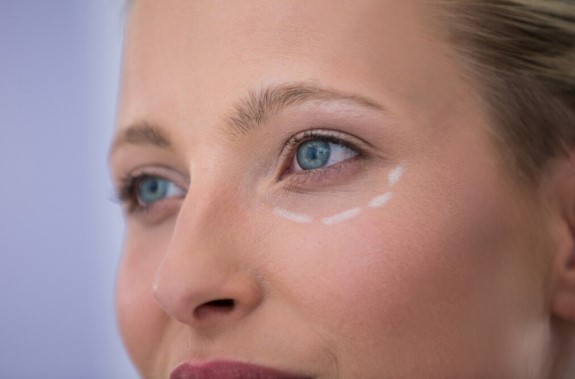
Thousands of people every year decide to take that step toward feeling more refreshed and confident. Philadelphia, in particular, has become home to some of the most experienced cosmetic surgeons in the country, making it a popular destination for people looking to address drooping or heavy upper eyelids.
For many people, the decision is not only about appearance but also about feeling comfortable and confident in their everyday lives.
Heavy eyelids can make someone look more tired than they actually feel, and in some cases, excess skin may even affect vision. Upper blepharoplasty can help restore a more open, refreshed appearance while maintaining a natural look. But before you book that consultation, there are a few key things worth knowing. This guide walks you through everything in plain, simple language so you can feel informed and ready.
ADVERTISEMENT
ADVERTISEMENT
1. Understand What Upper Blepharoplasty Actually Does
Upper blepharoplasty is a surgical procedure that removes excess skin, fat, or muscle from the upper eyelids. It is not about changing how you look entirely. It is about removing what is weighing your eyelids down so your eyes look more open, alert, and youthful.
Some people get it purely for cosmetic reasons. Others get it because drooping eyelids are actually blocking their peripheral vision. Either reason is completely valid.
2. Signs You Might Be a Good Candidate
Many people live with heavy or drooping eyelids for years without realising that there is a simple fix available. If you constantly look tired no matter how much sleep you get, if friends or colleagues regularly ask if you are okay when you feel completely fine, or if you find yourself raising your eyebrows just to keep your eyes feeling open, these are real signals worth paying attention to.
Surgery is not the answer for everyone, but it is worth having an honest conversation with a qualified surgeon. During a consultation, they will assess your eyelid structure, check your overall health, and tell you clearly whether blepharoplasty is a good option for you. There is no pressure and no obligation, just straightforward information to help you make the right choice for yourself.
3. Choose a Surgeon Who Specializes in This Area
This is probably the most important step. The eye area is incredibly delicate, and you want a surgeon who has performed this procedure many times. Look for board certification in plastic surgery or ophthalmology, a strong portfolio of before and after results, and a team that takes the time to answer all your questions.
At W Cosmetic Surgery, the focus is on natural-looking results that enhance your appearance without making it look like you have had work done. Their approach is thorough, patient-centered, and designed to make you feel comfortable throughout the process.
4. Learn What the Procedure Involves
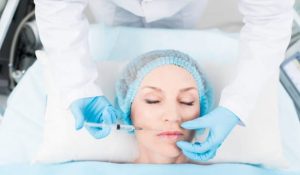
The surgery is performed as an outpatient procedure under local anesthesia, sometimes with light sedation. It typically takes one to two hours from start to finish. Your surgeon makes a small incision along the natural crease of your upper eyelid, carefully removes or repositions the excess tissue, and closes everything with very fine sutures.
Many patients planning upper blepharoplasty in Philadelphia are genuinely surprised by how quick and smooth the entire process is. Most people go home the same day and are comfortably back to light activities within a week or so.
5. Know What to Avoid Before Surgery
Your surgeon will give you a detailed pre-op checklist, but generally speaking, you should plan to stop taking blood thinners like aspirin or ibuprofen at least two weeks before, avoid smoking as it slows healing, stay out of the sun and skip tanning, and not wear contact lenses for a period leading up to the procedure.
These steps are not optional. They directly affect how your body heals and how clean your results turn out.
6. Prepare for the Recovery Period
Recovery is usually smooth and straightforward. Here is a general idea of what to expect:
- Days 1 to 3: Some swelling, bruising, and mild discomfort. Cold compresses help a lot.
- Week 1: Sutures are typically removed. You can move around but should avoid strenuous activity.
- Week 2: Most people feel comfortable returning to work and light social activities.
- Weeks 4 to 6: Swelling fully settles and results become clearly visible.
According to the American Society of Plastic Surgeons, blepharoplasty consistently ranks among the top five cosmetic surgical procedures performed in the United States each year, with over 175,000 procedures completed annually. You can read more about that here via the ASPS statistics report.
7. Set Realistic Expectations for Your Results
Upper blepharoplasty delivers results that can last anywhere from five to ten years or more. The goal is to look like a well-rested, refreshed version of yourself. Not dramatically different. Not overdone. Just better.
Good surgeons will never promise perfection. They will show you realistic outcomes based on your specific anatomy, walk you through what is achievable, and make sure you and your surgeon are on the same page before anything happens.
Final Thoughts
Upper blepharoplasty is one of the most effective and straightforward cosmetic procedures available today. When done by the right surgeon, the results look natural, the recovery is manageable, and the confidence boost can be significant.
Take your time doing research, ask plenty of questions at your consultation, and trust your instincts when choosing a provider. Your eyes are worth it.
Share this article



Latest Posts




ADVERTISEMENT