

Can a Nursing Home Abuse Lawyer Help If Abuse Isn’t Caught on Camera?
- Updated on: Jul 22, 2026
- 3 min Read

Mohd is driven through passion for innovation in healthcare and medical research. He holds a degree in Mechanical Engineering and has spent about two decades in medical research particularly on medical / surgical implants and digital health. He is associated as a fractional IP and Innovation Officer for more than a dozen companies across the globe.
- Published on Jul 22, 2026
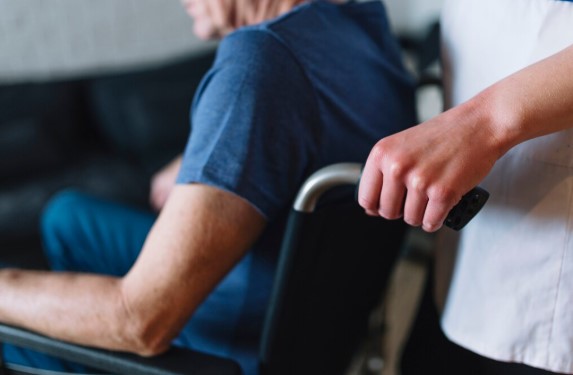
When people think of nursing home abuse, they often imagine obvious evidence—such as a hidden camera recording the incident or a video that exposes mistreatment. However, the reality is often very different. Many cases of abuse occur out of sight, behind closed doors, and without any video footage to reveal what happened.
If you have noticed unexplained bruises on your loved one, changes in their eating habits, unusual behavior, or signs that something feels wrong, you may question whether you have enough evidence to take action. The absence of a video does not mean abuse did not occur or that you do not have a valid case.
ADVERTISEMENT
ADVERTISEMENT
In Las Vegas, families who suspect their loved one has experienced nursing home abuse can still pursue answers and seek accountability through other forms of evidence. Medical records, caregiver reports, witness accounts, facility records, and changes in a resident’s physical or emotional condition can all help reveal what happened and support a legal claim.
1. Physical Evidence Speaks as Loud as Video
Bruises, bedsores, sudden weight loss, and dehydration all leave a trail, even without a camera watching. Medical records can show a pattern that doesn’t add up, like injuries that don’t match the explanation given by staff.
A skilled investigator knows how to read these signs and connect them to neglect or abuse. In practice, this kind of physical evidence often holds up better than people expect, especially when it’s documented properly and reviewed by someone who knows what to look for.
2. Witness Accounts Matter
Other residents, visiting family members, and even some staff members often see more than facilities want to admit. Roommates notice when someone gets rough with a patient. Aides sometimes speak up when they see a coworker cutting corners on care. These accounts can be pieced together into a timeline that supports your claim.
This is one of the reasons working with a nursing home abuse lawyer in Las Vegas can make such a big difference, since gathering and organizing these statements takes real investigative work that families often don’t have time or resources to do on their own. Firms such as Cogburn Davidson approach these cases by treating every witness account as a potential piece of a larger pattern, not just an isolated complaint.
3. Staffing Records Can Reveal a Pattern of Neglect
Nursing homes are required to keep records on staffing levels, training, and shift schedules. If a facility was understaffed on the day your loved one got hurt, that record becomes powerful evidence.
According to data from the Centers for Medicare and Medicaid Services, facilities with lower staffing levels tend to have significantly higher rates of resident injuries and hospitalizations. Pulling these records isn’t something families can easily do alone, but attorneys know exactly which documents to request and how to interpret them.
4. Prior Complaints Build a Bigger Picture
If a facility has a history of complaints, even ones that never made headlines, that history matters. State health departments keep inspection reports and violation records that are open for review.
A single incident might look isolated on its own, but when you add prior citations or complaints from other families, a pattern starts to form. This kind of pattern can be the difference between a facility calling something an accident and a court recognizing it as ongoing neglect.
5. Medical Experts Can Fill in the Gaps
Doctors and specialists can often tell what caused an injury just by examining it closely. A broken bone from a fall looks different than one from being handled roughly. Bedsores that develop over time point to neglect, not a single bad day.
Bringing in a medical expert to review your loved one’s condition adds credibility that’s hard to argue against, camera footage or not.
6. Facility Policies Can Work Against Them
Nursing homes follow strict internal policies, like logging falls within a set time or getting a nurse to review new injuries the same day. When a facility skips these steps, the gap becomes evidence.
A fall on Tuesday with no report until Friday raises real questions. Maybe the staff hoped the bruising would fade first. Maybe the floor was short-staffed. Either way, the missing paperwork works against the facility, and attorneys know how to pull these records and expose the gap.
7. Your Own Documentation Counts
Family members often keep useful records without realizing it. A photo of a bruise. A text about mom seeming off that day. A note about asking staff why Dad had a cut. None of it looked official at the time.
But when a lawyer lines these up against the facility’s own records, mismatches often appear, like a bruise you photographed on March 3rd with no matching incident report. That gap can become strong proof.
Conclusion
Not having a camera catch the moment abuse happened can feel discouraging, but it doesn’t mean you’re out of options. Nursing home cases are built from many smaller pieces of evidence working together, not one dramatic clip.
Medical records, staffing patterns, witness accounts, and facility history often tell a clearer story than video ever could. If you suspect your loved one has been hurt or neglected, don’t wait to start asking questions and gathering what you can. The sooner concerns are raised, the easier it becomes to protect them and hold the right people accountable.
Share this article


Latest Posts




ADVERTISEMENT