


Dental implants: what you need to know
- Updated on: Jun 5, 2026
- 3 min Read

Arshi Anjum is a qualified homeopath who believes alternative medicine disciplines can really do wonders in certain situations and particularly for some conditions and diseases. She completed her medical education from Bakson Homeopathic Medical College, Greater Noida, India.
- Published on Jun 5, 2026
Dental implants have become a standard solution for people seeking to replace missing teeth and restore oral function. They are designed to look, feel, and act like natural teeth, making them a popular choice worldwide. Understanding the basics of dental implants can help patients make informed decisions about their oral health.
Choosing dental implants as a tooth replacement option involves considering their benefits, suitability, and care requirements. Many patients consult a dentist in Santa Rosa to determine if implants match their needs and dental history. Dental implants not only replace lost teeth but also support bone stability and can improve daily functionality. Knowing how implants work, who is eligible, and what to expect helps ensure a positive long-term outcome.
ADVERTISEMENT
ADVERTISEMENT
How dental implants work
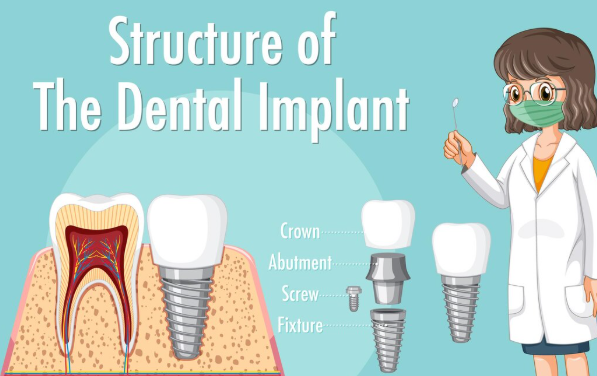
Dental implants consist of small titanium posts that are surgically placed into the jawbone, where they act as artificial tooth roots. Over time, the bone fuses with the post in a process called osseointegration, which provides a stable foundation for the artificial tooth or crown. This integration allows implants to mimic the strength and function of natural teeth.
After the initial placement and healing, an abutment is attached to the implant to support the final restoration. The visible crown is then fitted, crafted to match the color and shape of surrounding teeth for a natural appearance. Implants can be used to replace a single tooth, several teeth using bridges, or support full dentures for patients with extensive tooth loss.
The entire dental implant process typically spans several months, allowing adequate time for healing and bone integration between each stage. During the initial consultation, detailed imaging helps determine the precise placement angle and depth for optimal results. Modern techniques such as computer-guided implant surgery have improved accuracy and reduced recovery times, making the procedure more predictable and comfortable for patients. Some cases may qualify for immediate load implants, where a temporary crown is placed on the same day, though this depends on bone quality and individual circumstances.
The success of dental implants relies heavily on the quality and quantity of available jawbone, which is why thorough diagnostic imaging is essential before treatment begins. Advanced technologies such as cone beam computed tomography (CBCT) provide three-dimensional views of the jaw structure, allowing practitioners to plan the exact positioning and angulation of each implant. This precision planning helps avoid vital structures like nerves and sinuses while ensuring optimal load distribution across the implant. The materials used in modern implants have evolved significantly, with surface treatments and coatings designed to enhance bone integration and reduce healing time, contributing to higher success rates and improved patient outcomes.
Who is a good candidate for dental implants
Candidates for dental implants should have healthy gums, adequate jawbone density, and be in reasonable general health. Chronic conditions like uncontrolled diabetes or certain autoimmune disorders may affect healing and implant success. Dentists will perform a thorough evaluation, including x-rays, to assess bone structure and rule out risk factors before beginning the process.
Patients who smoke, have untreated gum disease, or suffer from severe bone loss may need additional treatments to prepare for implants. Bone grafting or guided tissue regeneration can help build up the jawbone if needed. Age is generally not a limiting factor, as implants are suitable for adults of all ages provided their health allows for minor oral surgery.
Good oral hygiene habits and a commitment to maintaining dental health are crucial factors in determining candidacy for implants. Patients must be willing to follow post-operative instructions carefully and attend all follow-up appointments to ensure proper healing. Young adults whose jawbones are still developing may need to wait until growth is complete before receiving implants. A comprehensive medical history review helps identify any medications or conditions that could interfere with the healing process, allowing the dental team to develop a personalized treatment plan that maximizes the chances of successful implant integration.
Caring for dental implants
Dental implants require the same daily care as natural teeth. Brushing twice daily, flossing, and using recommended oral hygiene aids help prevent infection around the implant site. Regular check-ups and professional cleanings are essential to ensure the health of the surrounding gum tissues and to monitor implant stability over time.
It is important to avoid chewing on very hard objects, as this can damage the implant or the crown. Maintaining a balanced diet and managing any chronic conditions will further protect both implants and general oral health. With attentive care, dental implants have a high success rate and can last many years, offering a long-term solution for tooth loss.
Special attention should be given to cleaning around the implant crown and along the gum line, where bacteria can accumulate and cause inflammation. Interdental brushes, water flossers, and antimicrobial mouth rinses may be recommended as part of a comprehensive home care routine. Patients should promptly report any signs of problems such as looseness, pain, or swelling around the implant site, as early intervention can prevent more serious complications. Wearing a night guard may be advised for those who grind their teeth, protecting both the implant restoration and remaining natural teeth from excessive force and wear.
Share this article


Latest Posts





ADVERTISEMENT