



Different Types of Medical Waste and How to Dispose Them
- Updated on: Apr 24, 2026
- 6 min Read

Dr. Madiha Anjum is a seasoned medical expert specializing in Blood Transfusion Medicine, Hematology, and the management of blood disorders. With years of hands-on experience, she has become a trusted authority in addressing the challenges involved in blood transfusion practices and the care of patients with hematologic disorders. Her precise and thorough approach ensures optimal outcomes for individuals requiring specialized blood treatments.
- Published on Apr 23, 2026
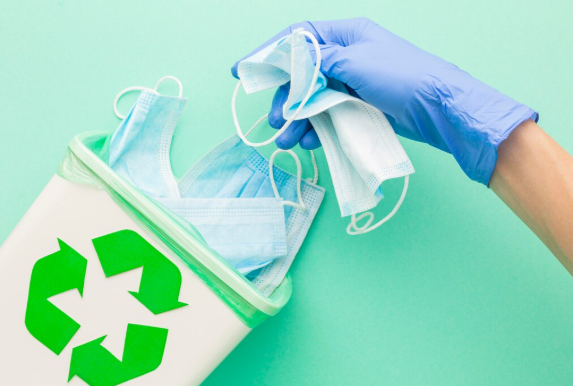
Handling medical waste properly does more than just keep clinics clean. It protects healthcare workers, keeps patients safe, and prevents environmental damage. Without a clear system, facilities face steep fines and real safety hazards. Building a reliable waste management protocol starts with understanding the different categories of waste and exactly how to dispose of them.
Every clinic, hospital, and laboratory needs strict procedures to separate, store, and treat the materials they generate. Failing to do this can spread infections and cause long-term harm to the surrounding environment. Because medical waste is complex, a one-size-fits-all approach never works. You need a nuanced understanding of each specific waste stream.
ADVERTISEMENT
ADVERTISEMENT
Infectious Waste
Infectious waste contains pathogens like bacteria, viruses, parasites, or fungi in high enough concentrations to cause disease. This category covers blood, bodily fluids, and any materials heavily contaminated with them. Discarded diagnostic samples, laboratory cultures, and blood-soaked items from patient care all fall into this group. It is the most common hazardous waste generated in clinical settings, posing an immediate risk to anyone who handles it.
Disposal Methods
Facilities have to segregate infectious waste right where it is generated. Place these materials in designated red bags or containers marked with the universal biohazard symbol. Never mix them with regular trash. Once collected, professional services transport this waste to treatment facilities. There, it undergoes autoclaving (steam sterilization) or incineration to neutralize the pathogens before final disposal. Autoclaving uses high-pressure steam to kill microorganisms, making the waste safe for standard landfills. Incineration burns the waste at extremely high temperatures, reducing it to ash and destroying any biological hazards.
Sharps Waste
Sharps include any items that can puncture or lacerate the skin. Needles, syringes, scalpels, lancets, and broken glass all belong here. Even if a sharp item has not touched a patient, it still requires special handling. These items can easily tear through standard trash bags and injure waste handlers. The physical danger of a needle stick injury is serious, compounded by the risk of transmitting bloodborne pathogens like HIV or Hepatitis C.
Disposal Methods
Discard sharps into rigid, puncture-resistant containers immediately after use. These containers need to be leak-proof on the sides and bottom, and clearly labeled. Never try to recap a needle or force items into a full container. Seal the container securely once it reaches the fill line, usually at three-quarters full. Specialized Medical Waste Disposal services collect these containers and typically incinerate them. Incineration is preferred for sharps because it melts the metal and plastic, eliminating both the physical hazard and any biological contamination.
Pathological Waste
Pathological waste consists of human tissues, organs, body parts, and fluids removed during surgery, autopsy, or other procedures. It also includes animal carcasses used in research. Because of its nature, this waste demands stringent handling to stop the spread of disease and to address ethical concerns. The visual and biological nature of pathological waste means it must be treated with respect, adhering strictly to local rules regarding human remains.
Disposal Methods
Store pathological waste in double red biohazard bags or rigid containers. Facilities often need to keep this waste refrigerated or frozen to stop decomposition before collection. Incineration is the standard, and often legally required, method for treating pathological waste. It reduces the material to ash and eliminates any biological risk. Autoclaving is rarely acceptable for pathological waste because it does not destroy the physical form of the tissues.
Pharmaceutical Waste
Pharmaceutical waste covers expired, unused, spilled, or contaminated medications. Pills, injectables, antibiotics, and vaccines all fit into this category. Flushing medications down the drain is a terrible idea. It can contaminate water supplies and harm aquatic life. The active ingredients in these medications can persist in the environment, disrupting local waterways and contributing to antibiotic resistance.
Disposal Methods
Segregate pharmaceutical waste into specific containers, often color-coded blue or black. The color depends on whether the waste is hazardous, like certain chemotherapy drugs, or non-hazardous. Never mix pharmaceuticals with infectious waste. Facilities need to partner with licensed disposal companies that incinerate pharmaceutical waste. This ensures the chemical compounds are destroyed and kept out of the environment. Hazardous pharmaceuticals require even stricter tracking and disposal protocols to ensure they are handled safely from generation to destruction.
Chemical Waste
Chemical waste in healthcare settings comes from laboratories, cleaning supplies, and medical equipment. It includes solvents, disinfectants, reagents, and heavy metals like mercury from broken thermometers. This waste can be toxic, corrosive, flammable, or reactive. Mishandling it can lead to fires, explosions, or toxic gas releases, endangering everyone in the building.
Disposal Methods
Store chemical waste in compatible, clearly labeled containers. Do not mix different chemicals, as this can trigger dangerous reactions. Facilities must keep an inventory of all chemicals and follow safety data sheets for proper handling. Disposal requires specialized services that treat the chemicals through neutralization, incineration, or secure landfilling. Neutralization alters the chemical structure to make it non-hazardous. Incineration works well for organic chemicals that can be safely burned. Secure landfilling is reserved for treated chemicals that cannot be destroyed but have been stabilized to prevent leaching into groundwater.
Radioactive Waste
Radioactive waste comes from nuclear medicine treatments, cancer therapies, and certain diagnostic procedures. It includes items contaminated with radioactive isotopes, such as syringes, absorbent paper, and patient excretions. The main concern here is the emission of ionizing radiation, which can cause cellular damage and increase cancer risks for exposed individuals.
Disposal Methods
Store radioactive waste in lead-shielded containers marked with the radiation symbol. The most common disposal method is decay-in-storage. The waste sits in a secure area until its radioactivity drops to safe background levels. Once the isotopes have decayed, the material can often be thrown away as regular medical waste, as long as all radiation symbols are removed or defaced. For long-lived isotopes, the waste has to be transported to specialized low-level radioactive waste disposal facilities. These sites are heavily regulated and designed to contain the materials for hundreds of years.
General Non-Hazardous Waste
The vast majority of waste generated in a healthcare facility, up to 85%, is non-hazardous. This includes office paper, packaging materials, food waste, and uncontaminated personal protective equipment. While this waste does not pose a direct biological or chemical threat, managing it efficiently helps control costs and reduce the facility’s environmental footprint.
Disposal Methods
Dispose of general waste in standard trash receptacles. Keep this waste separate from hazardous streams. Mixing general trash with medical waste needlessly drives up disposal costs and environmental impact. Implementing strong recycling programs for paper, cardboard, and clean plastics can drastically reduce the volume of general waste sent to landfills. Facilities should also look into composting options for food waste from cafeterias, further diverting materials from the solid waste stream.
Building a Reliable Disposal System
Managing these different waste streams takes clear protocols, regular staff training, and reliable partnerships. Healthcare facilities need to audit their waste generation regularly and make sure every employee understands how to segregate materials correctly. Working with certified disposal experts guarantees that all waste is treated and destroyed in compliance with local and federal regulations.
The Importance of Segregation
Proper segregation at the point of generation is the foundation of any successful medical waste management program. When waste is mixed, the entire container has to be treated as the most hazardous material inside it. If a single contaminated needle gets thrown into a regular trash bin, that entire bin must now be treated as infectious sharps waste. This drives up disposal costs exponentially and places unnecessary strain on specialized treatment facilities.
To prevent this, place clearly labeled, color-coded containers in every area where waste is generated. Red bags for infectious waste, rigid containers for sharps, and blue or black bins for pharmaceuticals should be easy for staff to reach. Regular audits of these containers can help spot areas where training might be lacking or where protocols need updating.
Staff Training and Compliance
Even the best waste management system will fail without comprehensive staff training. Every employee, from surgeons to janitorial staff, needs to understand the different types of medical waste and the specific procedures for handling them. Conduct training upon hire and update it annually, or whenever there are changes to local regulations.
Alongside formal training sessions, post clear, visual signage near all waste disposal areas. These signs should outline exactly what can and cannot go in each container, using pictures and simple language to ensure everyone understands.
Partnering with Professionals
Because the regulations surrounding medical waste disposal are complex and constantly changing, most healthcare facilities rely on specialized partners to handle the final transport and treatment of their waste. When picking a disposal partner, verify their licenses, insurance, and compliance history. A reputable company will provide transparent tracking documentation, often called a manifest. This proves that the waste was collected, transported, and destroyed in accordance with all applicable laws.
By understanding the different types of medical waste, implementing strict segregation protocols, training staff thoroughly, and partnering with certified disposal experts, healthcare facilities can protect their workers, their patients, and the environment. This comprehensive approach ensures regulatory compliance while demonstrating a real commitment to public health and safety.
Share this article
Latest Posts




ADVERTISEMENT