

Can Ear Surgery Correct Damage Caused by Trauma or Injury?
- Updated on: Nov 27, 2026
- 4 min Read

Dr. Ruman Kugashiya, MD, works at ERA’s Lucknow Medical College and Hospital, Lucknow, Uttar Pradesh. He received his medical education from Smt. Nathiba Hargovandas Lakhmichand Municipal Medical College (NHL MMC), Ahmedabad, Gujarat. He specializes in Critical Care, Gastroenterology and Infectious Disease.
- Published on Nov 27, 2026
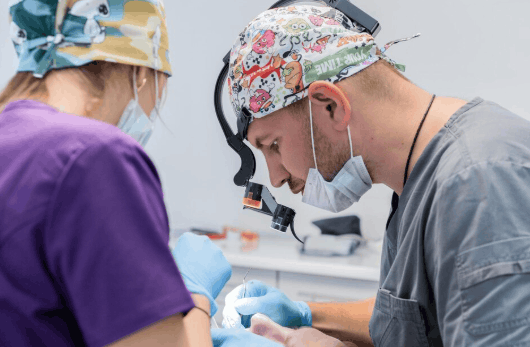
An injury to the ear can change more than the way it looks. A hard fall, sports accident, car crash, or blow to the side of the head may leave the ear swollen, torn, misshapen, or partly damaged. Even after the injury heals, the ear may not return to its former shape. This can affect how someone feels about their appearance, especially when the damage is easy to see.
The good news is that ear surgery can correct many changes caused by trauma. The right treatment depends on the type of injury, how much tissue was damaged, and whether the ear has healed. Some problems need quick medical care, while others can be corrected later through surgery.
ADVERTISEMENT
ADVERTISEMENT
Different Injuries Can Change the Shape of the Ear
The outer ear is made mostly of cartilage covered by a thin layer of skin. Cartilage gives the ear its shape, but a strong impact can bend, tear, or damage it. The skin can also split or pull away from the ear.
Some common injuries that may lead to lasting changes include:
● Torn earlobes: Earrings may get pulled during an accident, or a direct injury may split the soft lower part of the ear.
● Cauliflower ear: Repeated blows or sports injuries can cause blood to collect between the cartilage and its covering. Without proper care, this may lead to thick, uneven cartilage.
● Cartilage damage: A hard hit can change the natural folds of the ear, leaving it bent or uneven.
● Partial ear loss: Serious accidents or bites may tear away part of the outer ear.
● Visible scars: Cuts and deep wounds can heal with marks that change the ear’s shape.
A 2025 study published in the journal Injury identified 25,285 patients treated for traumatic ear injuries in US emergency departments between 2003 and 2022. The most common injuries included cuts, bruises, punctures, blood collections, and burns. This shows how many different problems can affect the outer ear.
Early Treatment Can Prevent Further Damage
Not every ear injury should wait for cosmetic surgery. If the ear is bleeding heavily, partly torn away, badly swollen, or showing signs of infection, prompt medical care is important. A doctor needs to check the injury and decide whether the skin, cartilage, or deeper structures have been affected.
For example, a blood collection inside the ear may need to be drained and protected with a dressing. Leaving it untreated can lead to lasting changes in the cartilage. Deep cuts may also need careful repair so the edges line up and the skin can cover the damaged area.
Hearing changes, dizziness, severe pain, or bleeding from inside the ear should also be checked quickly. These signs may point to damage beyond the visible outer ear.
Surgery Can Restore the Ear’s Shape
Once an injury has healed, surgery may help correct the changes left behind. The procedure depends on how much damage remains and which part of the ear needs attention.
For smaller problems, the repair may be fairly simple. Torn earlobes can often be repaired by removing damaged edges and closing the tissue with careful stitches. If the ear has become misshapen, a surgeon may reshape the cartilage and use stitches to hold it in a better position.
More serious injuries may need a different approach. If part of the ear is missing, the surgeon may use nearby skin or cartilage to rebuild the area. In some cases, a skin graft or tissue flap is needed. These repairs can be more complex and may take place in stages.
In Denver, for example, people with lasting changes to their ears have access to different surgical options. A consultation about ear surgery in Denver can help explain whether otoplasty or another form of repair may be suitable. The main goal is to improve the ear’s shape while keeping its natural folds and proportions.
Otoplasty Can Help With Certain Ear Deformities
Otoplasty is a type of ear surgery that changes the shape or position of the outer ear. It is often used for ears that stick out, but it can also help correct some deformities caused by injury.
During surgery, the surgeon may make a small cut behind the ear to reach the cartilage. The cartilage can then be reshaped or held in a new position with stitches. This helps create a more balanced shape while keeping the natural folds of the ear.
Otoplasty may be useful when trauma has left the ear folded, uneven, or misshapen. However, it is not the right solution for every injury. Someone with major tissue loss may need reconstructive surgery instead.
Healing and Recovery Need Careful Attention
Recovery depends on the type of repair. A smaller procedure may involve a few days of swelling and soreness, while a more complex reconstruction can take longer. Patients may need to wear a protective dressing or headband to keep the ear in the right position as it heals.
It is also important to protect the ear from pressure and another injury. Contact sports and activities that could pull or hit the ear may need to wait until the surgeon says they are safe.
Before surgery, ask about the healing process, possible scars, infection risks, and whether more than one procedure may be needed. Having a clear idea of what recovery involves makes it easier to plan time away from work, school, or sports.
Closing Thoughts
An ear injury can leave lasting changes, but those changes do not always have to be permanent. Surgery may improve the shape, repair damaged tissue, and help the ear look more balanced. The best approach depends on the injury and the amount of tissue that remains.
If an old injury still affects the way your ear looks or feels, a medical assessment can help you understand what may be possible. With the right treatment plan, many people can improve the appearance of a damaged ear and feel more comfortable with their results.
Share this article
Latest Posts

ADVERTISEMENT