

5 Questions to Ask Your Plastic Surgeon Before Breast Augmentation
- Updated on: Nov 27, 2026
- 4 min Read

Saima Andrabi is a clinical biochemist and is passionate about driving knowledge platforms for creating health awareness in the general public. She pursued her master’s degree in clinical biochemistry from University of Kashmir, Srinagar followed by an internship from National Institute of pathology, New Delhi.
- Published on Nov 27, 2026
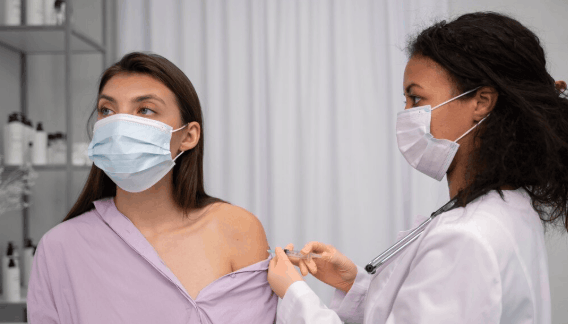
Deciding to have breast augmentation is a personal choice. Some women want to add more fullness, while others hope to restore volume after pregnancy, breastfeeding, or weight loss. Whatever your reason, it is normal to have questions before taking that step.
Breast augmentation is also a major decision that deserves careful thought. The American Society of Plastic Surgeons reported 304,234 breast augmentation procedures in 2025, showing how common the procedure remains in the United States. Still, every patient’s body, health, and goals are different.
ADVERTISEMENT
ADVERTISEMENT
If you are thinking about surgery in Santa Maria, a good consultation is the right place to start. Here are five important questions to ask your plastic surgeon before making a decision.
1. Am I a Good Candidate for Breast Augmentation?
The first thing to find out is whether breast augmentation is right for your body and health. Having a certain breast size or shape does not automatically make you a good candidate. Your medical history, current health, and personal goals all play a part.
From what we’ve seen, many women go for breast augmentation in Santa Maria wanting to increase their breast size, while others choose it to address uneven or sagging breasts after having children. These are all valid concerns that can be discussed during a consultation.
Notably, some clinics such as Chalekson Plastic Surgery discuss different options, including implants and fat transfer, based on what may be more suitable for your body and needs.
You should also share details about any past surgeries, medical conditions, allergies, and medications you take. If you plan to have children or breastfeed in the future, bring that up too. These details can help your surgeon understand your situation and discuss what to expect.
2. Which Type and Size of Breast Implant Would Suit Me?
Breast implants come in different sizes, shapes, and materials. Choosing one can feel confusing, especially when you are trying to picture how each option may look on your body.
The two main types are saline and silicone implants. Saline implants have a silicone outer shell filled with sterile salt water. Silicone implants contain a gel that many people feel is closer to natural breast tissue.
Your surgeon can explain the differences and help you understand which option may suit your body. You can also ask about implant placement, incision locations, and how each choice may affect the final result.
Here are a few useful questions to bring up:
- What implant size would work with my body frame?
- What are the differences between saline and silicone implants?
- Should the implant go above or below the chest muscle?
- How will the implant affect the shape of my breasts?
- Can I see examples of results from patients with a similar body shape?
Try to focus on what you want rather than choosing a size based only on pictures or trends. A result that looks good on someone else may not give you the same outcome.
3. What Are the Possible Risks and Complications?
Every surgery carries some risk, and breast augmentation is no exception. While many patients are happy with their results, it is important to understand what could go wrong before agreeing to treatment.
Possible problems include infection, bleeding, changes in breast or nipple feeling, implant movement, and capsular contracture. This happens when scar tissue forms around the implant and becomes tight, making the breast feel hard.
Breast implants are also not lifetime devices. You may need another operation in the future to replace or remove them. The FDA’s information on breast implant risks explains these concerns and other health issues that patients should understand.
Ask your surgeon which risks may apply to you and how they handle possible complications. You should also ask for the patient information booklet and decision checklist for the implant being considered. Take time to read them before making your choice.
4. How Long Will Recovery Take, and What Help Will I Need?
You may feel sore, tired, or tight around your chest during the first few days. Swelling is also common and may take several weeks to settle. Your surgeon will give you instructions on caring for your incisions, wearing support garments, and managing discomfort.
If you have children or a busy household, think about who can help while you recover. You may need someone to prepare meals, drive you to appointments, or handle tasks that involve lifting and reaching.
Before surgery, ask:
- When can I return to work?
- How long should I avoid exercise?
- When can I lift heavy items again?
- Will I need someone to stay with me after surgery?
- When can I return to my normal daily routine?
Do not rush your recovery just because you start feeling better. Follow your surgeon’s advice and attend all planned follow-up visits.
5. Will I Need Future Checkups or Another Surgery?
Many people focus on the surgery itself, but it is just as important to understand what happens afterward. Breast implants need ongoing care, and you should know what that may involve before moving forward.
Ask how often you will need checkups and whether you will need imaging tests to check for changes in your implants. For silicone implants, the FDA recommends regular imaging to look for silent ruptures, even when there are no clear symptoms.
You should also ask what could lead to implant replacement or removal. Changes in your body, personal preferences, or implant-related problems may mean you need another procedure later.
It is worth discussing the possible costs too. Future surgery, scans, and other care may add to the overall cost of having implants. Knowing this early can help you plan ahead.
The Takeaway
Breast augmentation can be a good option for women who want to change their breast size, shape, or fullness. But the best way to decide is to understand what the procedure involves and how it may affect your health and daily life.
Write down your questions before your consultation and take your time discussing them. A good surgeon should be willing to explain your options, answer your concerns, and help you make a choice that feels right for you.
Share this article


Latest Posts




ADVERTISEMENT