


Hospital-Displaced Care: Enhancing Patient Experience
- Updated on: Jun 24, 2026
- 5 min Read

Dr. Rafia Usman is a distinguished medical professional with a Bachelor of Medicine, Bachelor of Surgery (MBBS) degree, with a focus on infectious diseases and lifestyle-related conditions such as diabetes. With an experience in both hospital and clinical settings, Dr. Usman has dedicated her career to the diagnosis, treatment, and management of a wide range of infectious diseases and lifestyle disorders, emphasizing patient education and preventive care.
- Published on Jun 24, 2026
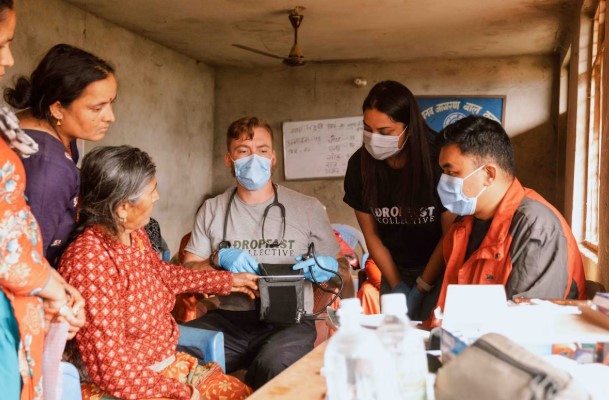
Hospitals have always been the go-to place for recovering from serious illness or surgery. But staying in a hospital for a long time can be stressful, disruptive, and lonely, even though it’s necessary for urgent medical needs. Now, healthcare is changing a lot, moving complicated medical treatments out of hospitals and into people’s homes. This new way of thinking about recovery and patient well-being offers a more personal and empowering experience.
Redefining Healthcare Delivery
For many years, our healthcare system was set up so people had to go to a hospital for almost any major medical procedure. But that’s starting to change. The shift toward redefining healthcare delivery means bringing hospital-level care to the patient, focusing on their comfort, convenience, and better results. People often call this “hospital at home” or, in some places, hospital-displaced care. It involves a team effort to provide treatments at home that used to require a hospital stay, like IV drips or checking on someone after surgery.
ADVERTISEMENT
ADVERTISEMENT
This isn’t just like regular home health services, which usually help with daily tasks or basic nursing. Instead, it uses highly skilled nurses and advanced technology to safely and effectively manage serious medical conditions outside the hospital. It needs smooth teamwork between hospital doctors, family doctors, specialized nurses, and tech platforms to make sure care is continuous and high-quality. This approach changes how we think about things, seeing a patient’s home not just as a place to rest, but as a good and often better spot for medical care.
Benefits for Patients and Families
Bringing medical care into the home offers many benefits that make the patient experience better and help their family members. One of the biggest advantages is how much more comfortable people feel in their own surroundings. Patients often feel less stressed and anxious when they’re surrounded by their own things and can stick to their usual routines, which can really help them recover. Sleeping in your own bed, eating familiar food, and having pets nearby can make a huge difference in how you feel overall.
From a medical standpoint, recovering at home can actually be safer. Even with strict cleaning, hospitals are places where patients are more likely to catch other infections. By getting care at home, patients avoid this risk. Studies on hospital-at-home programs have shown that this approach often reduces costs and readmissions while also improving patient outcomes. Families also get a lot out of it. They don’t have the burden of strict visiting hours and traveling to the hospital. Instead, family members can be more naturally involved in the care, offering emotional support and learning how to help the patient. This fits with the growing focus on patient-family-centered care initiatives, which recognize how important loved ones are in the healing process.
What Does Hospital-Displaced Care Entail?
It covers a wide range of services that trained professionals can safely give at home. This isn’t just for small health issues; it’s for conditions that would have otherwise meant weeks in a hospital bed.
The kinds of care offered under this model are varied and advanced. Some common examples include:
- Post-operative Care: After surgery, patients might need complex wound care, pain relief managed by pumps they control, or monitoring for problems. Special nurses can handle these needs at home, letting patients leave the hospital sooner.
- Intravenous (IV) Therapies: Many treatments require long courses of IV medication, like antibiotics for serious infections, hydration fluids, or even some types of chemotherapy. Instead of daily trips to an infusion center or a long hospital stay, a nurse can give these treatments at home.
- Advanced Monitoring: For people with heart or breathing problems, constant monitoring is crucial. Remote devices can track vital signs like heart rate, blood oxygen, and blood pressure from home, sending the data straight to the medical team for review.
- Palliative and End-of-Life Care: This model allows patients to get full comfort care in their preferred setting, surrounded by family, keeping their dignity and quality of life.
Imagine a patient with a serious infection who needs IV antibiotics for six weeks. In the old system, that would mean six weeks in the hospital. With hospital-displaced care, the patient might stay in the hospital for a few days to get stable, then go home. A nurse would visit daily to give the medication and check on their progress.
Overcoming Common Challenges
While there are clear benefits, moving hospital care into the home isn’t easy. For it to work well, we need careful planning and to deal with several key things to keep patients safe and get good results. One of the first challenges is figuring out if the patient and their home are ready. Not every patient is a good fit, and not every home is set up for complex care. A thorough check needs to happen to see if the patient has enough family support, if their home is safe and clean, and if the patient and their caregivers are ready for the responsibility, both mentally and emotionally.
Staffing is another big point. This kind of care needs a specific type of healthcare professional. They need advanced medical skills, but also need to be flexible, able to work on their own, and great at communicating. These nurses must be comfortable making important decisions independently outside of a hospital setting. Finding, training, and keeping such specialized staff can be a major hurdle for healthcare organizations.
Also, the logistics can get complicated. Getting medical supplies, special equipment, and medicines delivered, while also scheduling visits from different professionals, needs a strong and reliable system. Any break in this chain can mess up the care. Finally, how payments are handled can be a problem. Insurance companies and public health systems are still figuring out how to cover these new care models properly, and dealing with coverage can sometimes be tough for both patients and providers.
The Future of Hospital-Displaced Care
The future of hospital-displaced care is closely tied to new technology. The tools we have today are already making at-home care safer and more effective, and future inventions will likely expand its reach even further. Telehealth is a key part of this model. Video calls let patients talk face-to-face with their specialists without leaving home. This is especially helpful for follow-up appointments, adjusting medications, and discussing non-urgent concerns. Data shows that telehealth use among adults has grown a lot, proving it’s widely accepted.
Remote patient monitoring (RPM) is another crucial element. Wearable sensors and home medical devices can constantly track everything from blood sugar levels to heart rhythms. This steady flow of data gives the medical team a much clearer picture of the patient’s condition than occasional checks in a hospital ever could. Algorithms can look at this data to spot potential problems before they become emergencies, allowing for proactive rather than reactive care.
Looking ahead, artificial intelligence will probably play an even bigger role. AI systems could help predict which patients are at high risk for complications, make home visit schedules more efficient, and give patients personalized health information. As technology gets more advanced and easier to use, more conditions will be able to be managed at home. This will make hospital-level care more accessible, personalized, and patient-friendly than ever before.
This change isn’t just about convenience; it’s about giving patients more control over their health. By bringing care into the home, the healthcare system is moving towards a more collaborative and human approach that respects what each person needs and prefers.
Share this article
Latest Posts


ADVERTISEMENT