Feeling nervous about a dental appointment isn’t unusual — it’s closer to the norm. A census-matched survey published in the Journal of the American Dental Association in September 2025 found that 72.6% of U.S. adults reported some fear of going to the dentist, with 26.8% describing that fear as severe. Researchers described it as the first nationally representative study of its kind, which means the scale of the problem has likely been underestimated for years.
Where Dental Fear Actually Comes From
Past Experience
A painful or unpleasant appointment, especially in childhood, is one of the most commonly cited sources of ongoing dental anxiety. The association between “dentist” and “pain” can persist for decades even after a person’s actual dental health and available pain management have improved dramatically.
Loss of Control
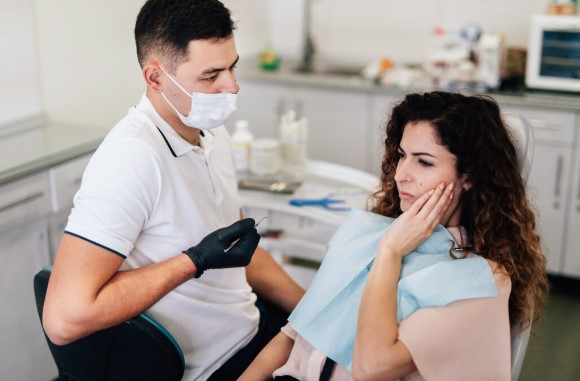
Sitting in a reclined chair with limited ability to see what’s happening, combined with sounds like drilling, is enough to trigger anxiety in people who otherwise handle medical settings fine. The lack of control, more than the procedure itself, is often what the nervous system is reacting to.
Anticipatory Anxiety
For many people, the appointment itself is manageable, but the days leading up to it aren’t. This anticipatory dread is a documented pattern in fear-based avoidance more broadly, not something unique to dentistry.
Why This Matters Beyond Comfort
Fear-driven avoidance has a compounding effect: skipped visits allow small issues to progress into larger ones, and larger issues generally require more invasive treatment — which reinforces the original fear. The JADA survey also found that 71.2% of fearful respondents expressed interest in a short, free online intervention to address their dental anxiety, suggesting that many people want a way out of this cycle rather than simply avoiding the topic.
What Actually Helps
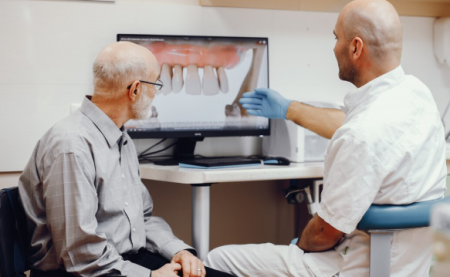
Sedation options, clear communication about what’s happening step by step, and simply telling a dental team about the anxiety in advance are among the most consistently cited ways patients manage dental fear. None of these require the fear to disappear — they’re aimed at making a specific appointment tolerable, which is often enough to keep someone from delaying the next one.
Finding a Practice That Takes This Seriously
Because fear response varies so much between patients, practices that explicitly address anxiety — rather than assuming everyone experiences a dental visit the same way — tend to be a better fit for anyone with a history of avoidance. Rancho Bernardo Dentistry is one example of a general dentistry practice built around this kind of accommodation, offering sedation options and a comfort-focused approach alongside its standard family and restorative care.
Recognizing dental anxiety as a common, well-documented experience — rather than a personal failing — is often the first step toward actually addressing it.