



Why the Demand for Anesthesia Technologists Is Rising and How to Break Into the Field
- Updated on: Aug 13, 2026
- 4 min Read

Dr. Rafia Usman is a distinguished medical professional with a Bachelor of Medicine, Bachelor of Surgery (MBBS) degree, with a focus on infectious diseases and lifestyle-related conditions such as diabetes. With an experience in both hospital and clinical settings, Dr. Usman has dedicated her career to the diagnosis, treatment, and management of a wide range of infectious diseases and lifestyle disorders, emphasizing patient education and preventive care.
- Published on Aug 13, 2026
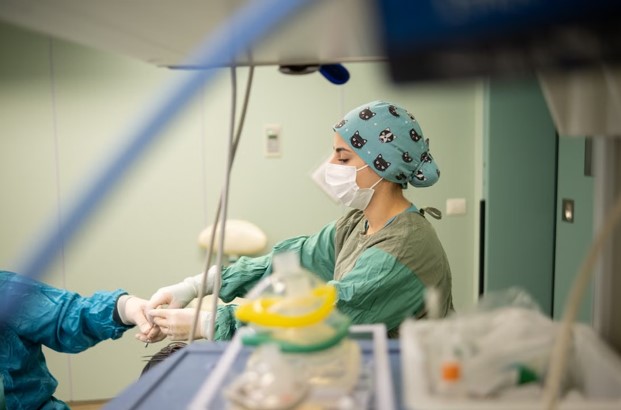
Growing surgical volumes across the country are driving demand for anesthesia technologists, the specialized professionals who maintain supplies and assist anesthesia providers throughout procedures. This expanding need has led to increased availability of anesthesia technology program options. Accredited institutions from the Mid-Atlantic to the West Coast offer associate degree pathways that combine classroom instruction with supervised clinical rotations to prepare graduates for this essential healthcare role.
The Driving Forces Behind Rising Clinical Demand
Healthcare trends are converging to create strong demand for anesthesia technologists in hospitals and surgical centers.
ADVERTISEMENT
ADVERTISEMENT
Increasing Surgical Volume and Aging Populations
Demand for surgical services is anticipated to rise by 2% to 3% per year over the next decade, creating a sustained need for joint replacements, cardiovascular procedures and other surgeries requiring dedicated operating room support. These demographic patterns represent a long-term shift rather than a temporary spike in demand.
Hospitals and outpatient centers need trained professionals who can prepare anesthesia equipment, manage supply inventories and support clinical teams throughout complex procedures. The sophistication of modern anesthesia delivery systems has made dedicated equipment specialists essential to surgical departments maintaining safe and efficient workflows.
The Shift Toward Associate Degree Anesthesia Technology Programs
Educational requirements for anesthesia technologists vary significantly across employers and regions, with no single national entry route governing access to every position. While some facilities train candidates from related healthcare backgrounds, others prefer applicants with formal anesthesia technology education or certification eligibility.
Associate degree programs provide stronger employer recognition and improved job prospects, while higher salary potential makes the extended time investment worthwhile. Graduates also gain a foundation that opens doors to bachelor’s degree programs or specialized certifications. The structured curriculum exposes learners to modern anesthesia equipment, safety protocols and the expectations they will encounter in professional settings through general education, technical training and supervised fieldwork.
Typical Prerequisites and Admission Requirements
Admission standards differ among anesthesia technology schools, which makes early research into specific requirements essential for prospective applicants. While the minimum requirement for an entry-level position as an anesthesia technician is a high school diploma or GED, most institutions require placement testing to assess college-level readiness.
Foundational science courses in anatomy and physiology frequently appear on prerequisite lists, along with basic mathematics proficiency. Beyond academic qualifications, health screenings, current immunization records and drug screening are standard expectations before fieldwork begins. Some institutions also conduct background checks as part of their placement protocols.
Top Anesthesia Technology Schools
The following institutions represent strong examples of anesthesia technology education across different U.S. regions.
1. Mid-Atlantic Region: AIMS Education College of Health Sciences
AIMS Education College of Health Sciences delivers a 20-month Associate of Applied Science degree across five semesters. The hybrid format allows learners to develop competencies in airway management and neurophysiological monitoring through real-time online instruction and on-campus surgical laboratory training.
Students practice preparing anesthesia equipment and supporting anesthesia providers in hands-on training environments at the on-campus surgical laboratory. This practical focus equips graduates with the technical skills needed to enter hospital operating rooms and outpatient surgical centers confidently.
2. Southern Region: Columbia State Community College
Columbia State Community College provides an Associate of Applied Science pathway designed for those pursuing entry-level anesthesia technology positions. Through courses that progress from foundational concepts to advanced applications, the curriculum builds knowledge of anesthesia equipment, supplies and patient-care support.
Laboratory and supervised training components complement classroom instruction, allowing learners to build competence with the tools encountered in professional practice. This blended approach ensures graduates can transition smoothly into clinical environments where technical proficiency is essential.
3. West Coast: Skyline College
At Skyline College, coursework covers anesthesia principles, system operation and practical application. The curriculum emphasizes technical proficiency, including maintaining anesthesia systems, troubleshooting problems and understanding proper function.
The Basic Anesthesia Equipment course exemplifies this approach by combining lecture with substantial laboratory instruction, connecting theoretical knowledge with hands-on skills central to the role. Students can also gain experience with setup, maintenance and troubleshooting protocols that mirror real operating room conditions.
Program Selection Methodology
The selected anesthesia technology schools meet key criteria for anesthesia technology education. Programs offer comprehensive curricula, incorporate rigorous supervised hours and represent different geographic regions. Each institution demonstrates a commitment to preparing graduates for the technical and professional demands of operating room environments.
Investigating partnerships with hospitals and surgical facilities during the research process is also worthwhile for students, as exposure through established healthcare relationships can influence skill development and career readiness. The strength of these partnerships often determines how well classroom learning translates into real-world competence.
Clinical Rotations and Hands-On Expectations
Understanding the physical and mental demands of supervised training before committing to a degree is essential. The working environment presents specific challenges:
- Equipment-intensive work: Anesthesia technology involves constant interaction with specialized systems requiring precision and attention to detail.
- Standard business hours commitment: Rotations typically follow operating room schedules, which may include early morning starts and limited flexibility.
- Physical stamina: Extended periods of standing, along with moving or positioning supplies, are routine aspects of the role.
- Clinical environment exposure: Working in proximity to surgical procedures and bodily fluids requires comfort with these conditions.
- Reliability expectations: Punctuality and consistent attendance are critical in settings where surgical teams depend on equipment readiness.
Overall, curricula should progress from classroom instruction through laboratory practice to mandatory fieldwork internships. This gradual structure allows learners to build confidence with hands-on training before assuming greater responsibility in active surgical environments.
Next Steps for Aspiring Healthcare Professionals
Expanding healthcare needs create opportunities for those interested in the medical profession. Comparing anesthesia technology programs, confirming admission requirements and evaluating institutional partnerships can help candidates identify educational options aligned with their career goals. Building strong technical skills through a well-designed curriculum positions aspiring professionals to enter this specialized healthcare field with confidence.
Share this article


Latest Posts


ADVERTISEMENT